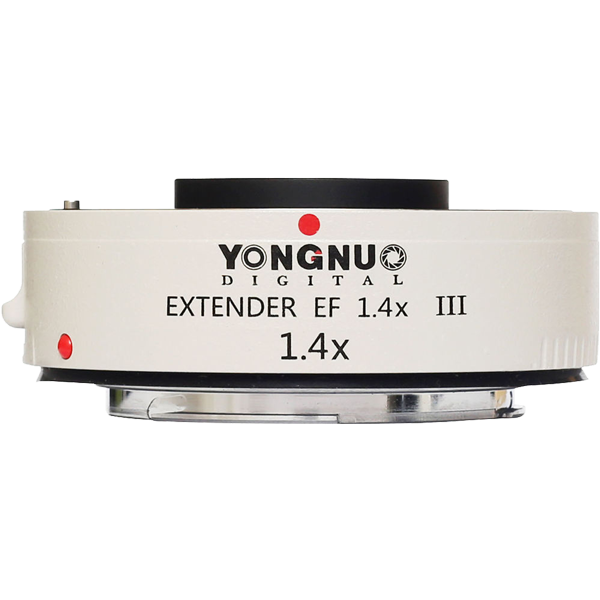



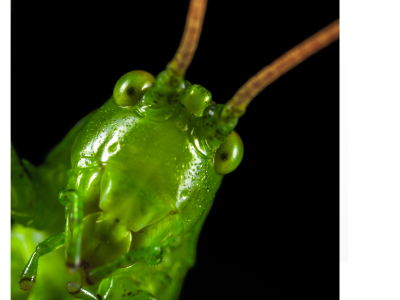
Teleconverters extend the focal length by a certain extension factor.
Two standards have become established: the factors 1.4 and 2. 3x converters are also offered on the market. However, these converters do not offer very good image results and that is the reason why Fotichaestli does not carry them. The teleconverter extends the focal length by exactly this factor.
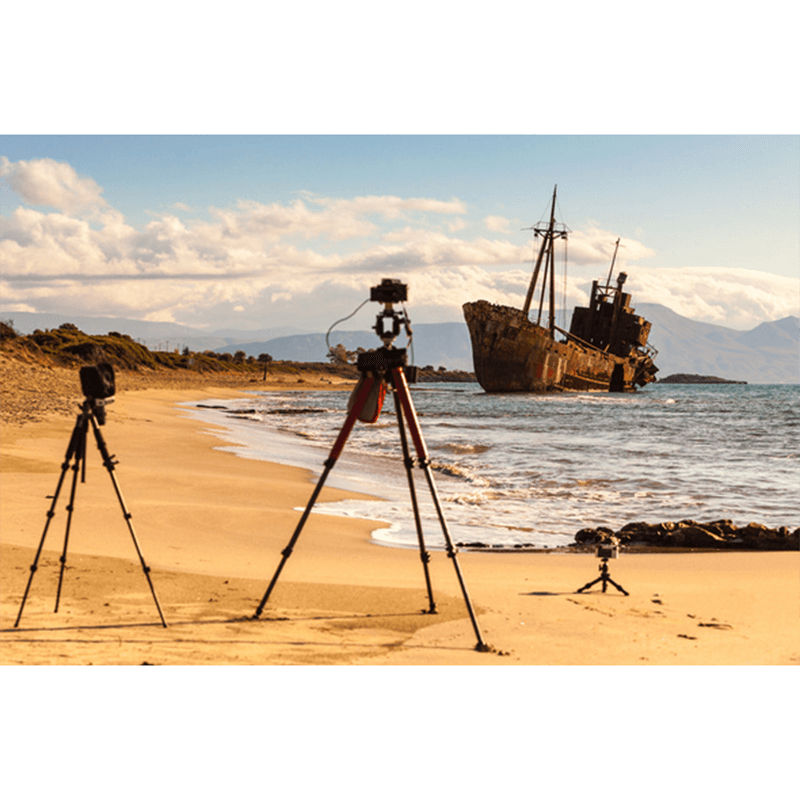
Thus, with a double teleconverter, the focal length of a telezoom 70 - 200 mm can be converted into a 140 - 400 mm focal length. However, the light intensity must then also be taken into account, which also changes. Because it also doubles (factor 2x) and an original starting aperture of 4.0 becomes an aperture of 8.0. A tripod may then have to be used if the exposure time becomes too long. An appropriately up-regulated light sensitivity (ISO) also helps to master this problem.
For whom is a teleconverter suitable?
Anyone who shoots in good daylight should be fine with a converter and the associated loss of light. However, those who shoot wildlife at dusk may run into limitations. Before purchasing a teleconverter, a typical situation should be photographed as a test to assess up to what aperture can still be worked well. If the limit of the feasible exposure time is exceeded - photographed handheld or with a tripod - one knows that a teleconverter is not a good idea and the money should better be invested in a fast lens. Lenses with focal lengths around 300 mm and a speed of 4.0 are then a good alternative. You can also judge this from photos you have already taken and factor in the light reduction. If it then fits, a converter is a good investment. It is small and compact and fits in any photo bag or backpack.