
Flash Triggers and Radio Triggers
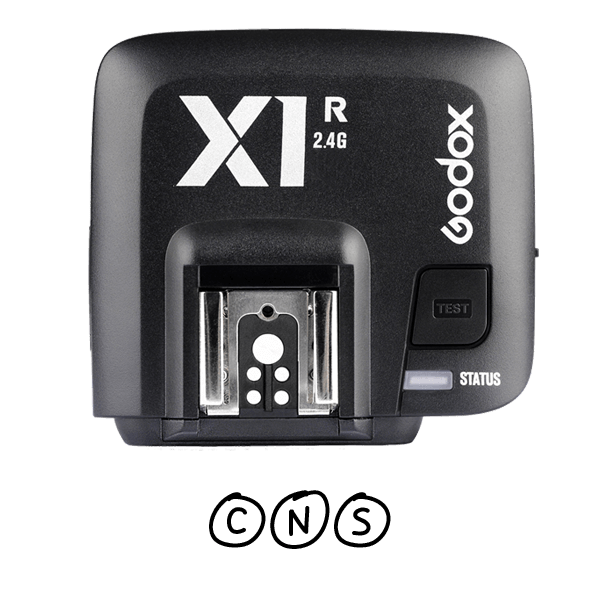
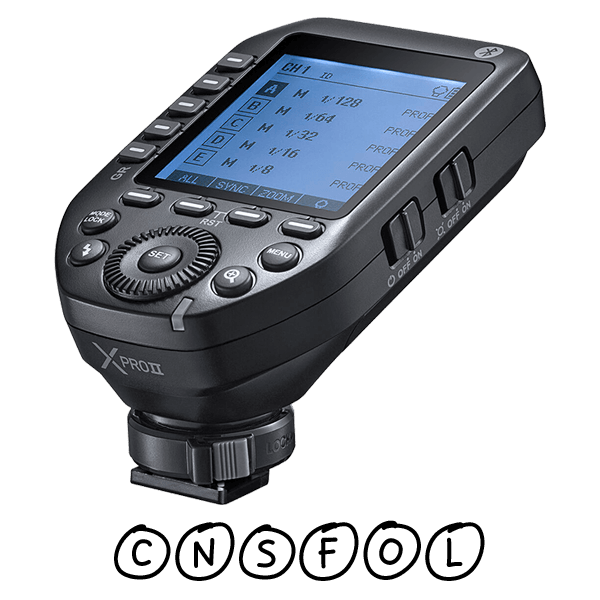
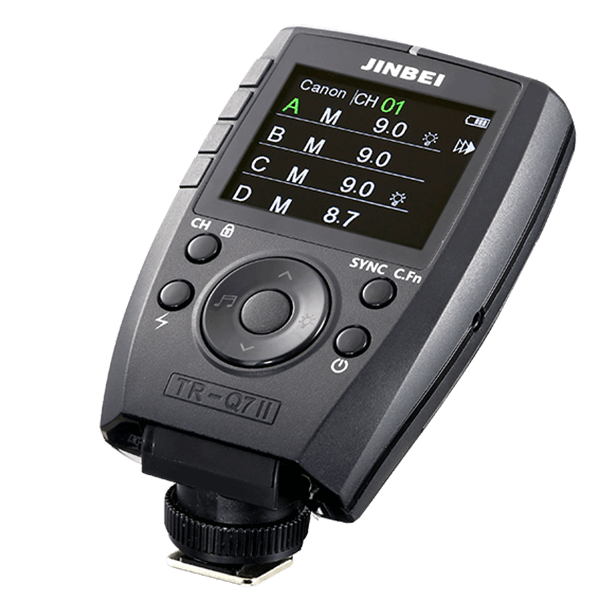
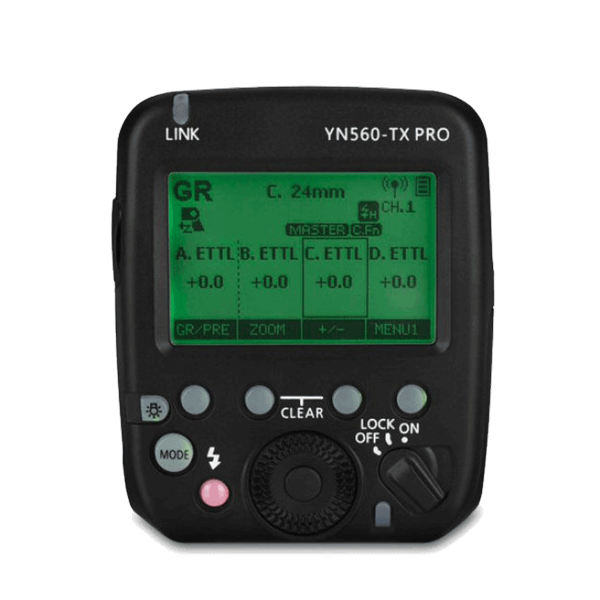
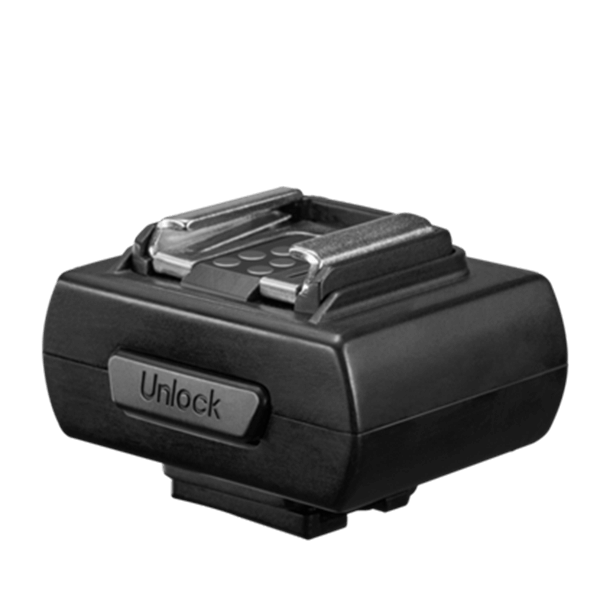
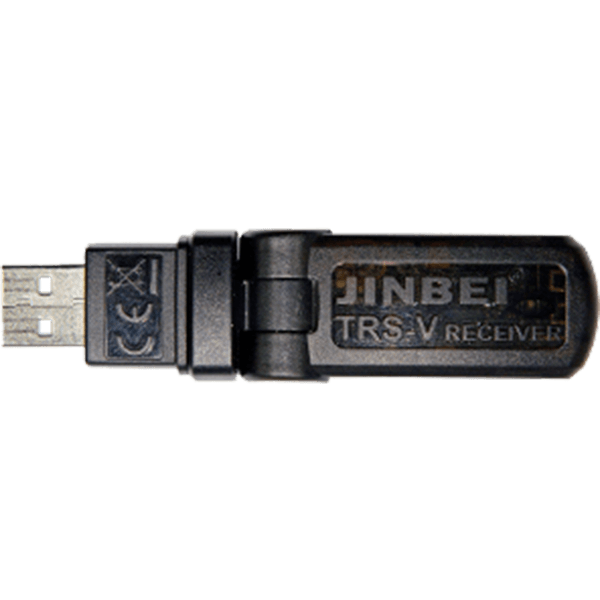
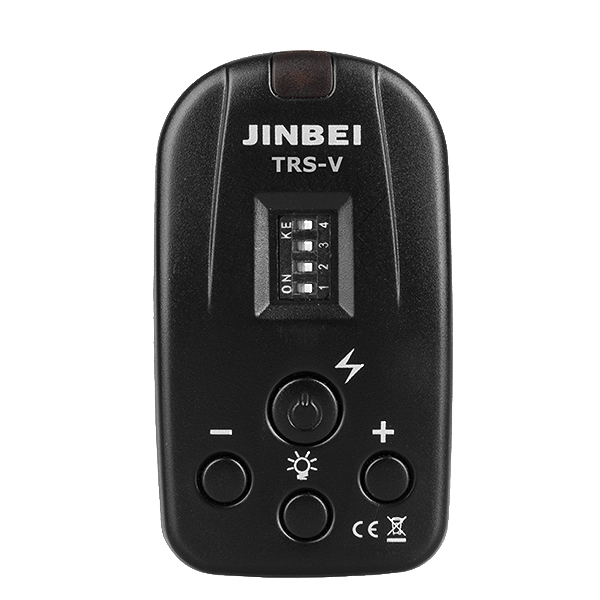
As soon as the flash leaves the camera, lighting becomes interesting. A wireless trigger mounted on the hot shoe controls one or more flashes in the room; you can conveniently adjust the power and mode on the transmitter. Here you’ll find wireless triggers for the Godox X-System as well as triggers from Yongnuo and Jinbei.
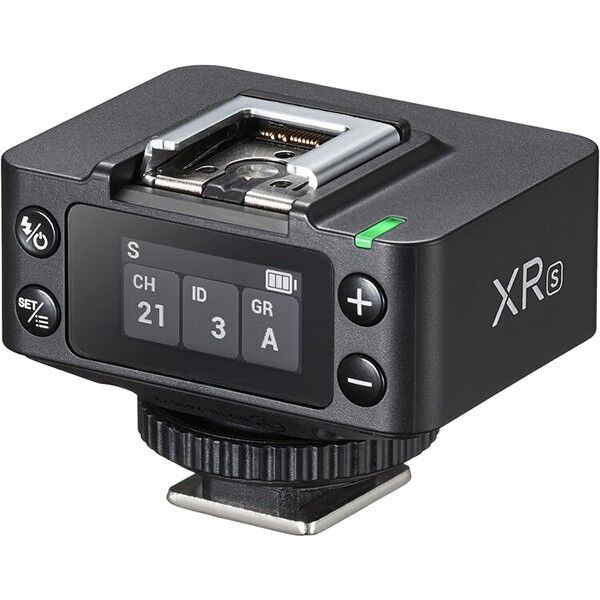
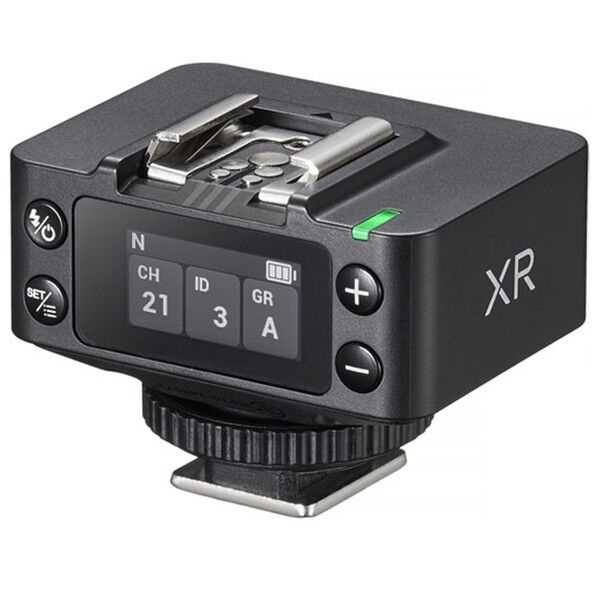
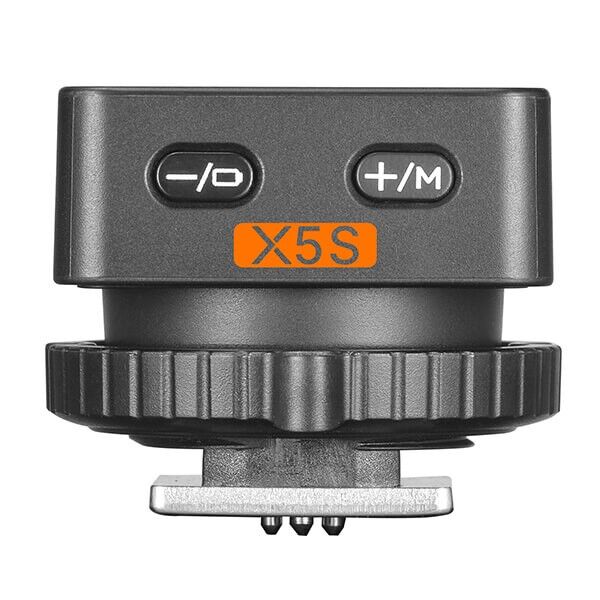
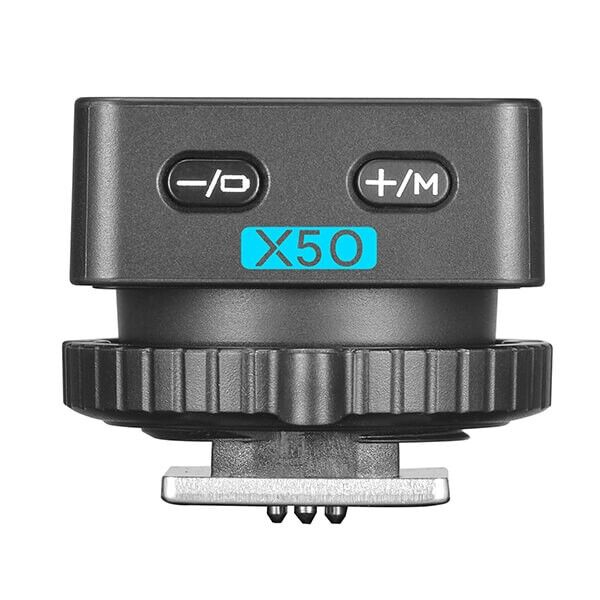
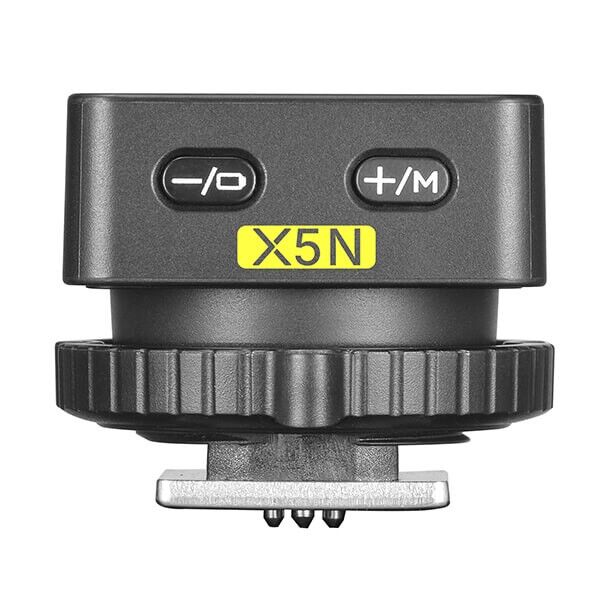
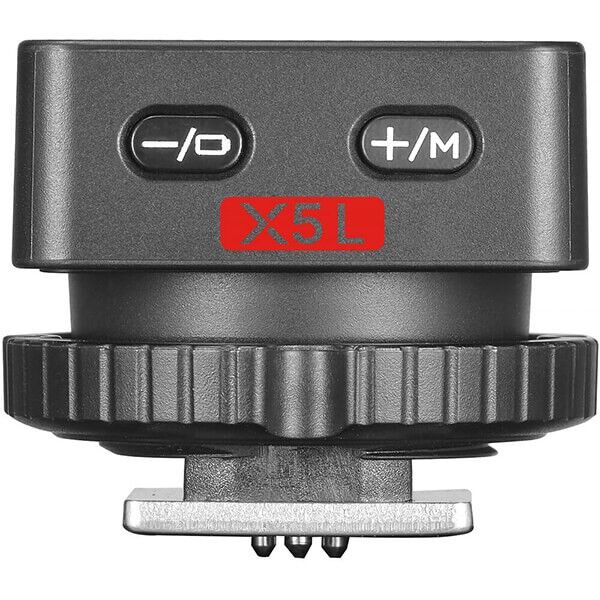
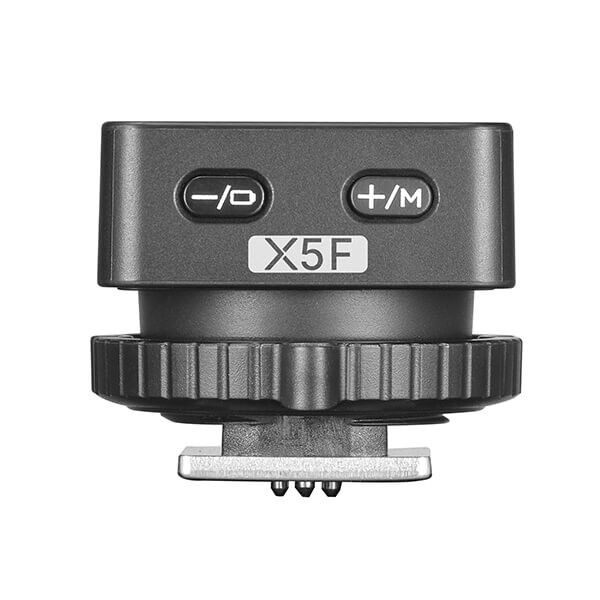
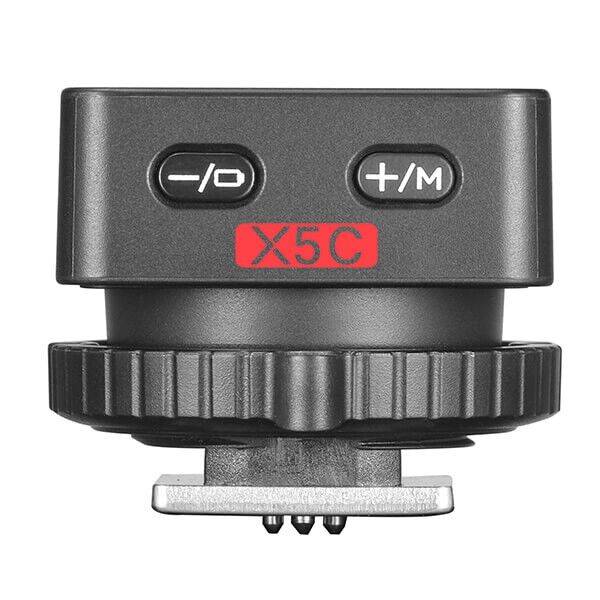

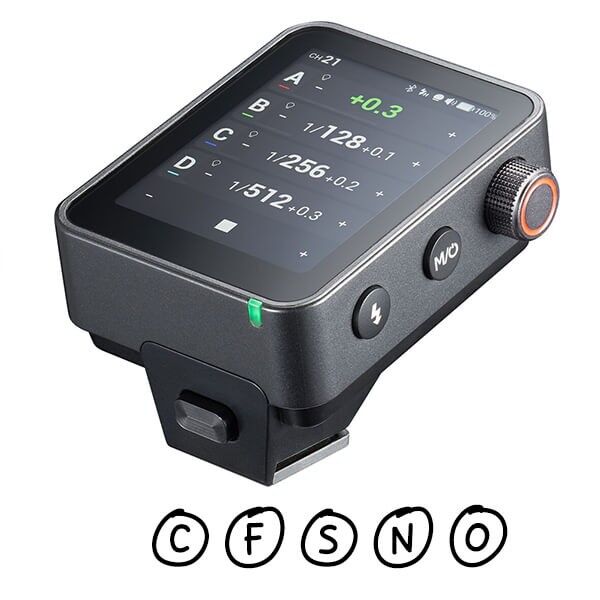
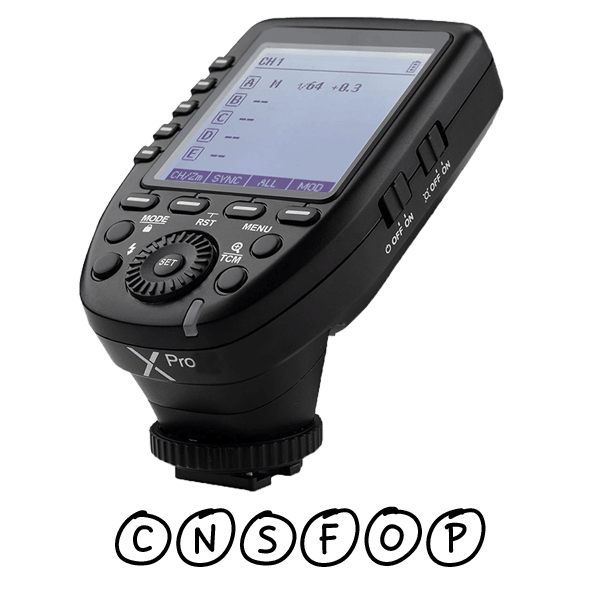
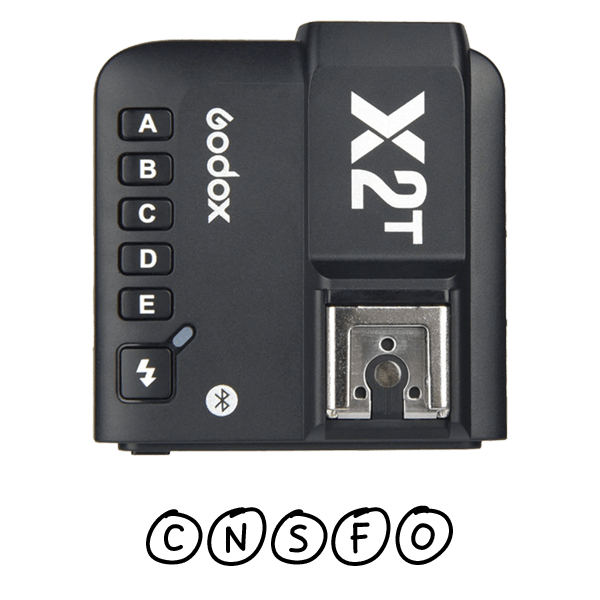
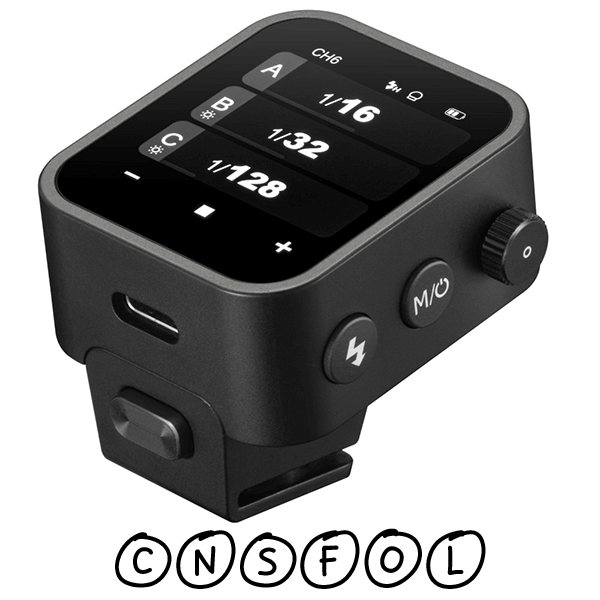
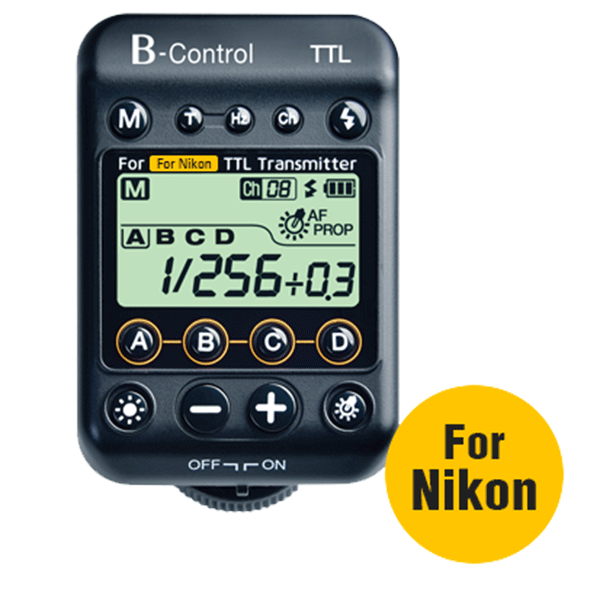
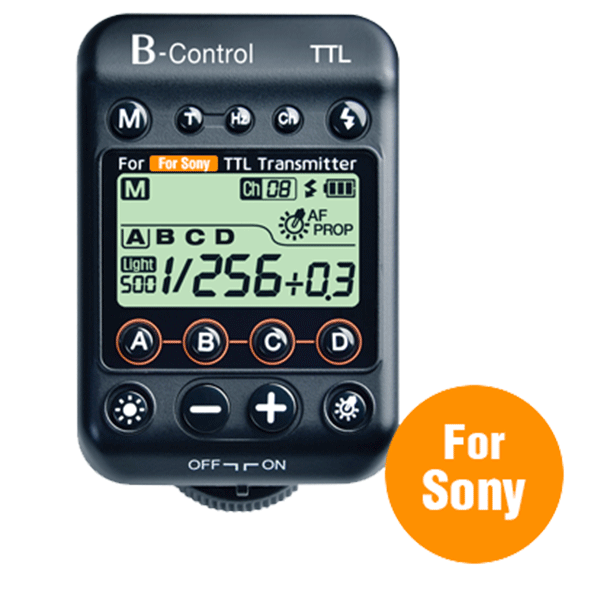
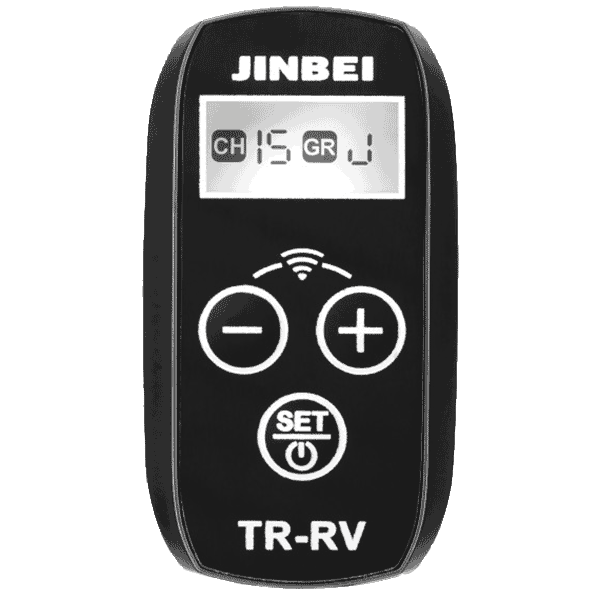
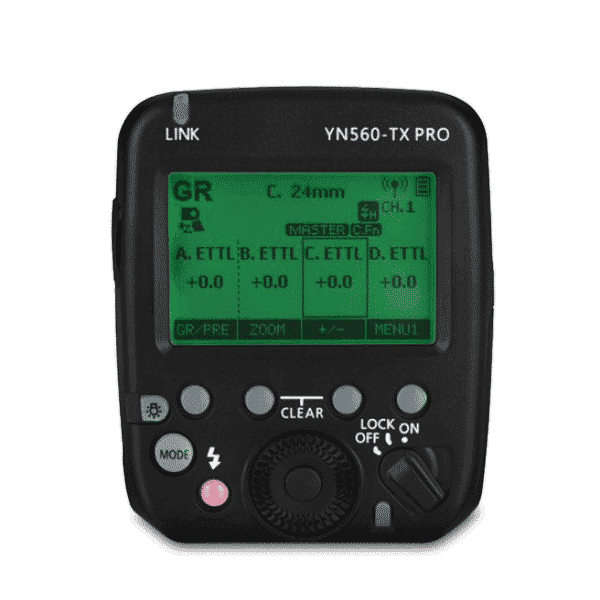
Finding the Right Remote Trigger
A wireless remote trigger always consists of a transmitter and a receiver. With modern flashes, the receiver is already built into the unit, so all you need is the transmitter on your camera.
Pay Attention to the System
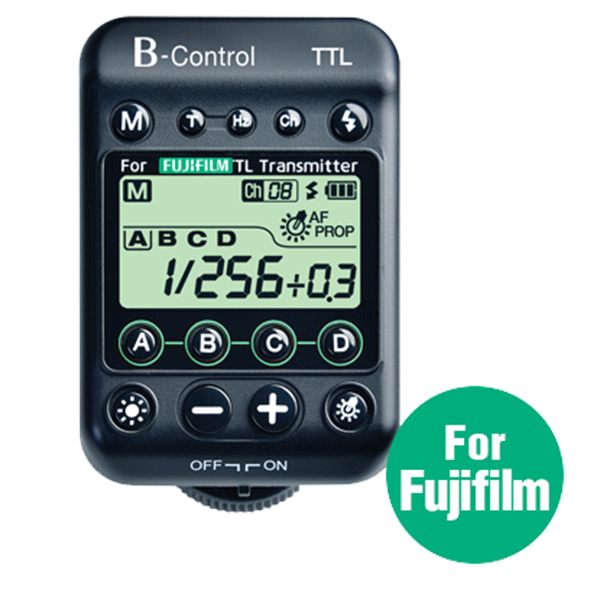
The transmitter must be compatible with two things: your camera and your flashes. For TTL and HSS, it needs the correct system variant, identified by the abbreviation in the name—for example, C for Canon, N for Nikon, S for Sony, and F for Fujifilm. Additionally, the wireless protocol must be compatible with your flashes. Godox uses the X-System across the board, which controls everything—from small clip-on flashes to the AD600—using the same transmitter. That’s the practical advantage of the system: one transmitter for everything.
What a good transmitter should be able to do
Groups and channels are important. With groups, you can control multiple flashes separately—for example, making the main light brighter and the background light darker—without having to get up. Channels prevent you from triggering other people’s flashes if someone nearby is using the same brand. A display with direct access to the groups saves noticeable time on set compared to models where you have to click through menus.
Range and Reliability
Radio triggers in the 2.4-GHz band have a range of several dozen meters outdoors, which is almost always sufficient in practice. More critical factors are obstacles and alignment: A flash positioned behind a reflector or directly against a metal wall may experience dropouts. Optical triggering via the camera’s flash is the wireless fallback option, but it only works within line of sight and fails in direct sunlight. For anything beyond that, the flash cable remains the most interference-resistant connection.