
Slip-On Filters and Filter Systems
If you want to combine multiple filters or your lens doesn’t have a filter thread at all, a filter system is your best option. Here you’ll find rectangular slip-on filters from Haida in 100 mm and 150 mm, rear lens filters for bayonet mounting, video filters in the 4×5.65 format for the matte box, and the matching accessories.

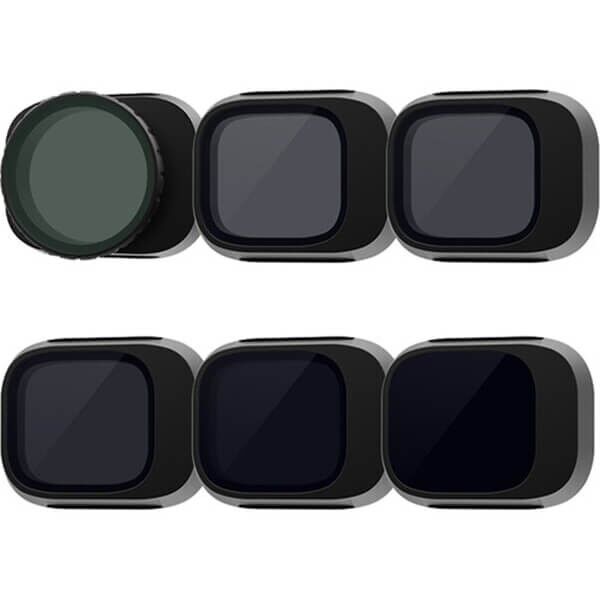

Which filter system is right for your lenses?
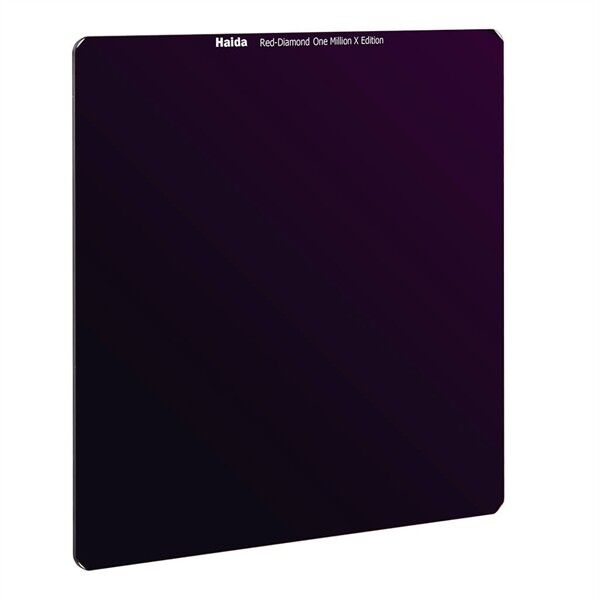
Slip-on filters aren’t screwed on; instead, they’re slid into a holder. This offers three advantages: You can use multiple filters at the same time, you can adjust a graduated filter to align with the horizon, and you only need one filter for all your lenses.
100 mm or 150 mm?
The number indicates the width of the filter and is determined by your largest lens, not by personal preference.
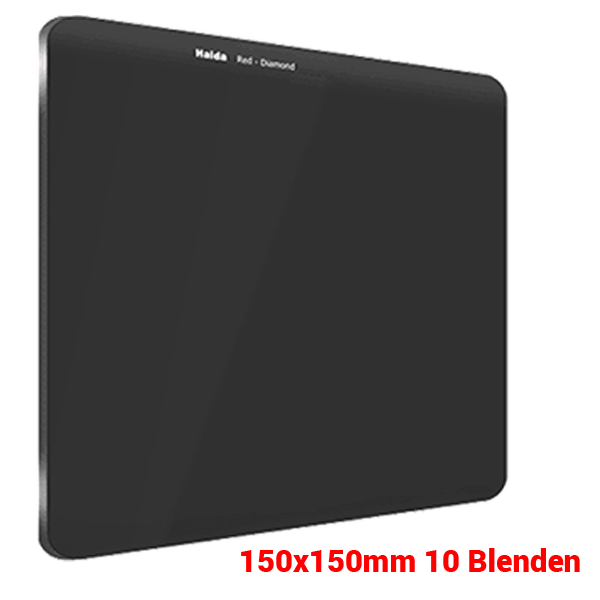
100 mm is the common standard and covers virtually all standard wide-angle and zoom lenses up to about an 82 mm filter thread. Unless there’s a specific reason not to, this is the right choice: the system is lighter, more affordable, and offers the widest selection.
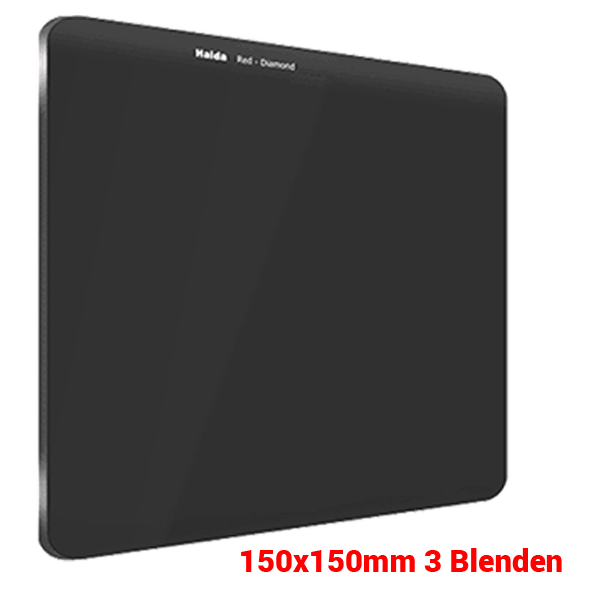
You’ll need a 150 mm for super-wide-angle lenses with a curved front element and a built-in lens hood, such as a Sigma 14 mm or a Nikon 14–24 mm. With these lenses, a 100 mm holder would appear in the frame. The system is correspondingly large, heavy, and expensive, but there’s no alternative for these lenses.
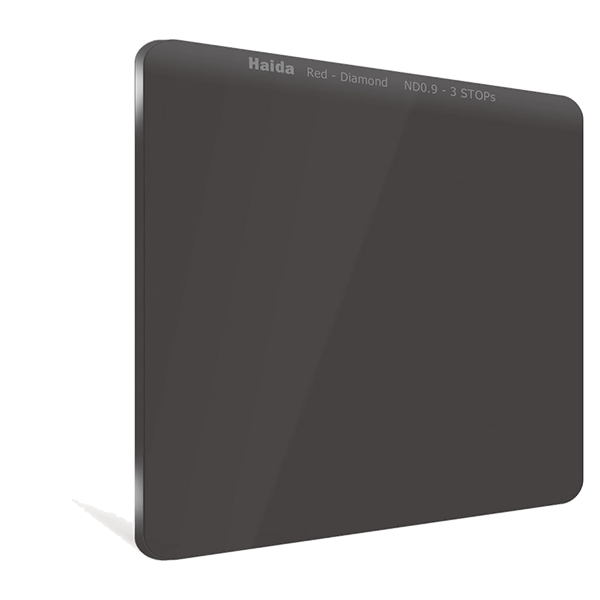
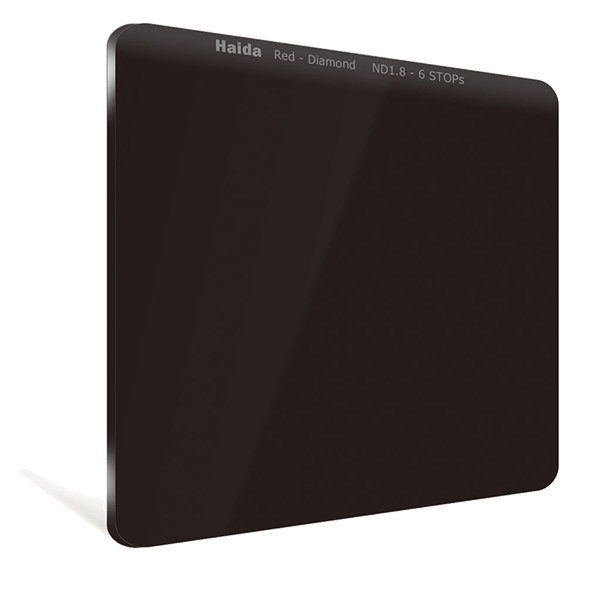
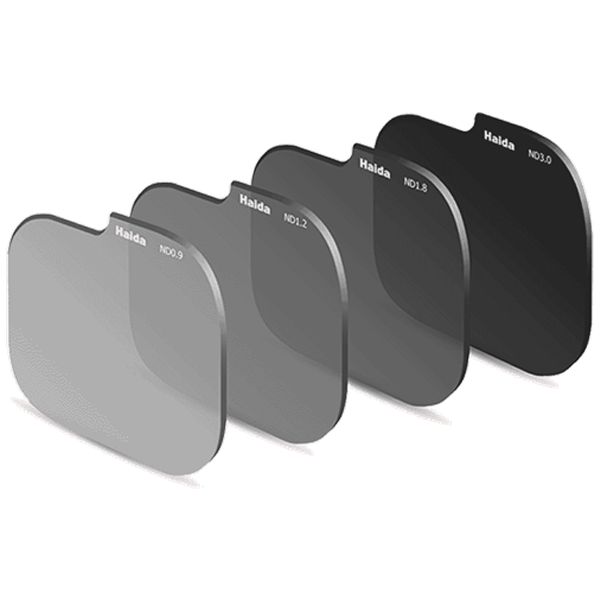
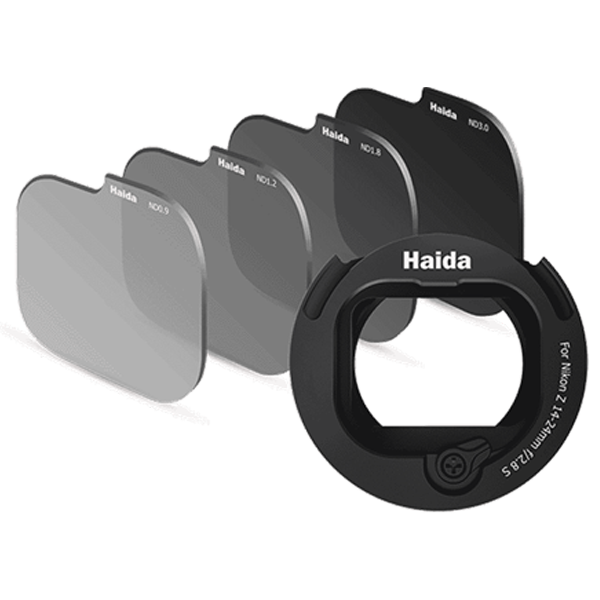
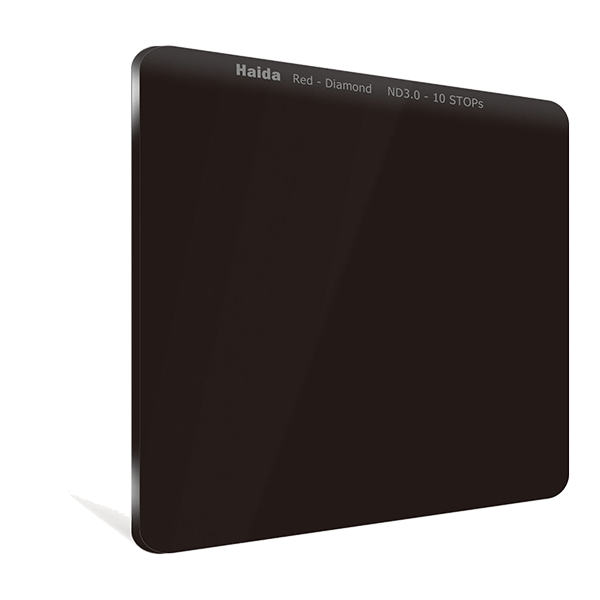
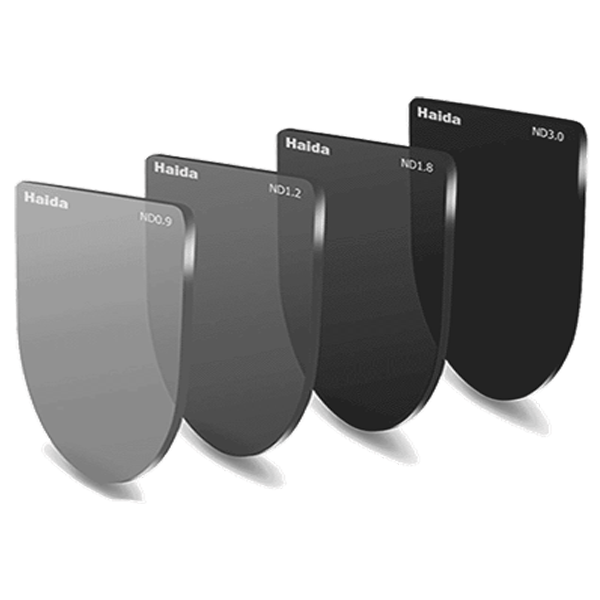
For slip-on filters, the density is specified as ND0.9 (3 stops), ND1.8 (6 stops), and ND3.0 (10 stops). Sets with multiple densities cover the entire range.
Rear-Mount Filters: The Solution for Super-Wide-Angle Lenses
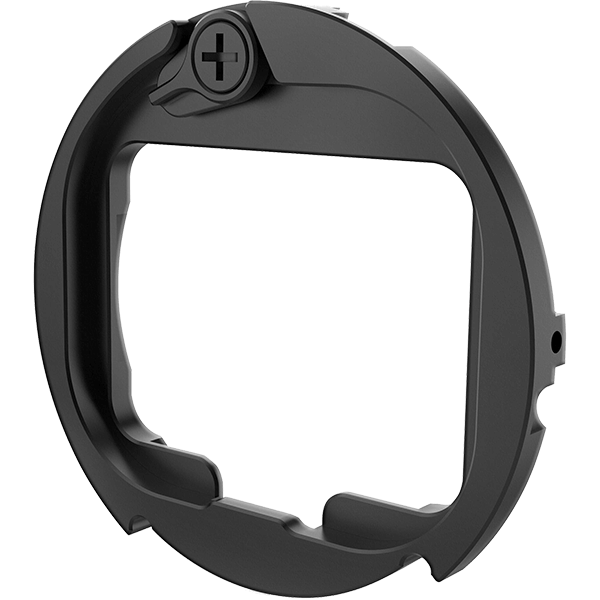
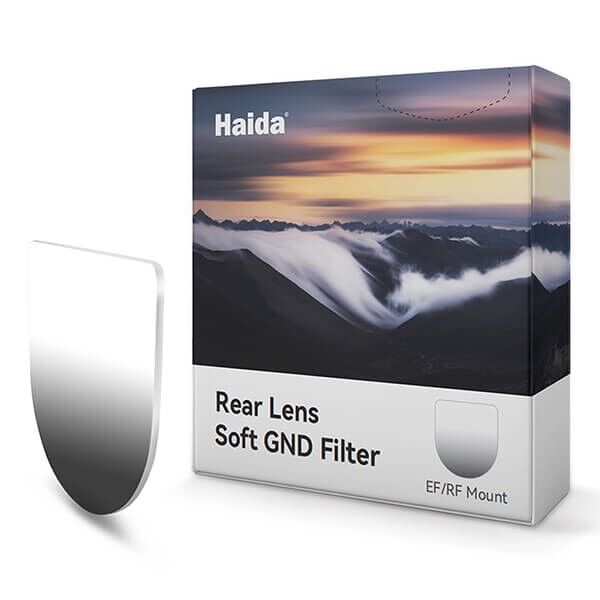
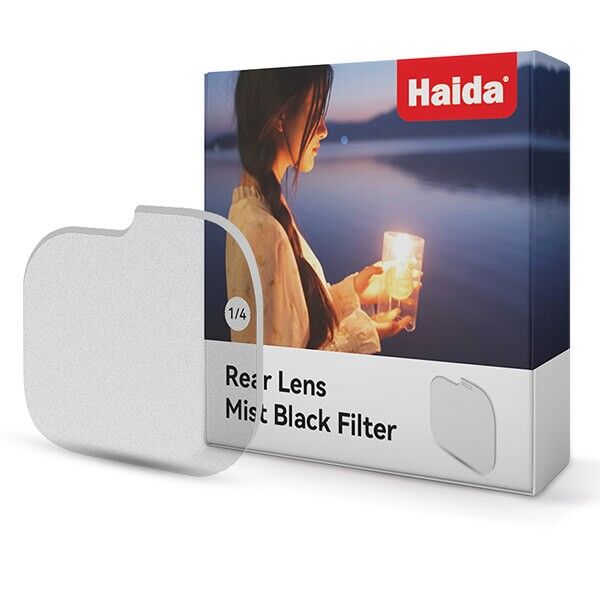
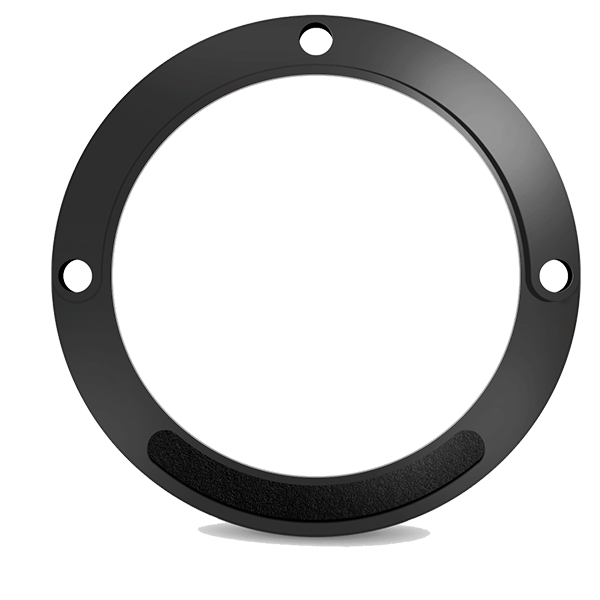
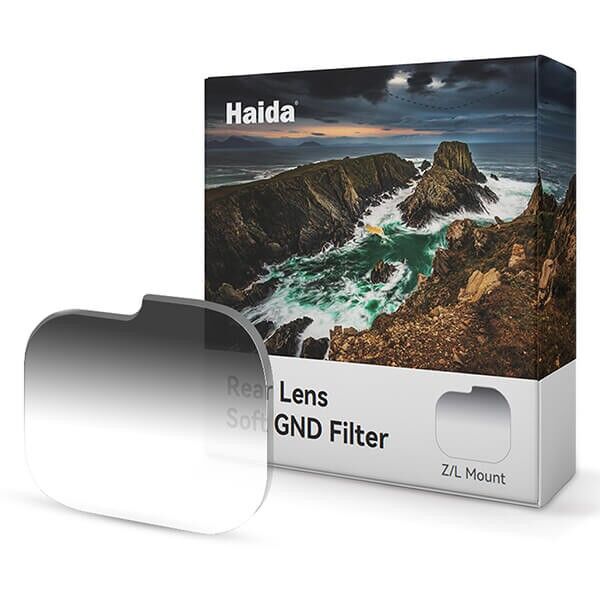
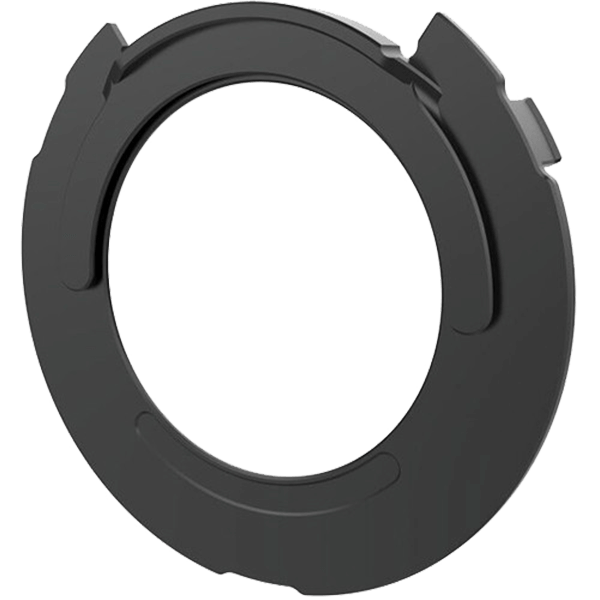
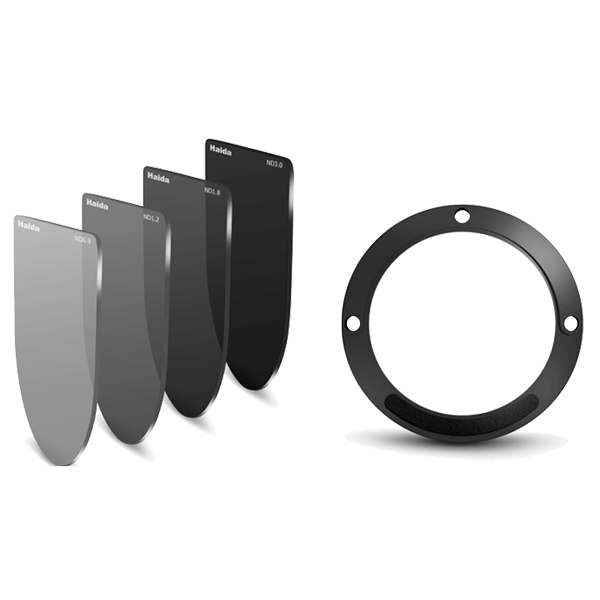
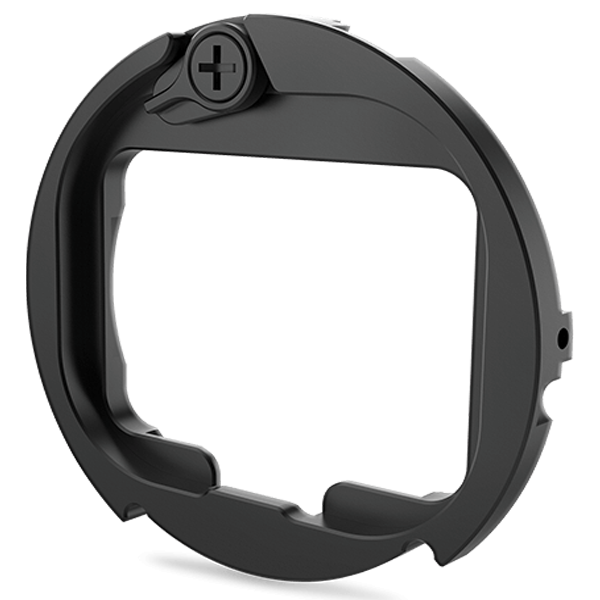
Some lenses simply have no room for a filter at the front because the front element is curved and the aperture ring is fixed. The solution is the rear-mount filter: a thin holder is inserted into the rear of the bayonet mount, between the lens and the camera, and holds a small filter in place.
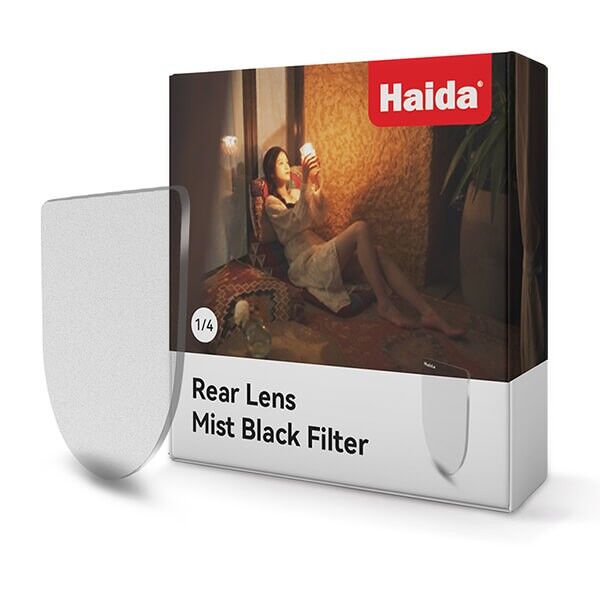
The advantage is obvious: no 150-mm system that weighs a kilo and costs more than the lens itself. A holder and a few small filters replace the entire setup. However, the holders are lens-specific; they’re available for the Sony 14 mm GM, Sony FE 12–24 mm, Nikon Z 14–24 mm, Sigma 14 mm Art, and Tamron SP 15–30 mm. Check before purchasing to see if your lens is included. In addition to ND filters, there are also Clear Night filters to combat city light pollution and Mist Black filters for the soft rendering of highlights.
Video filters for the matte box
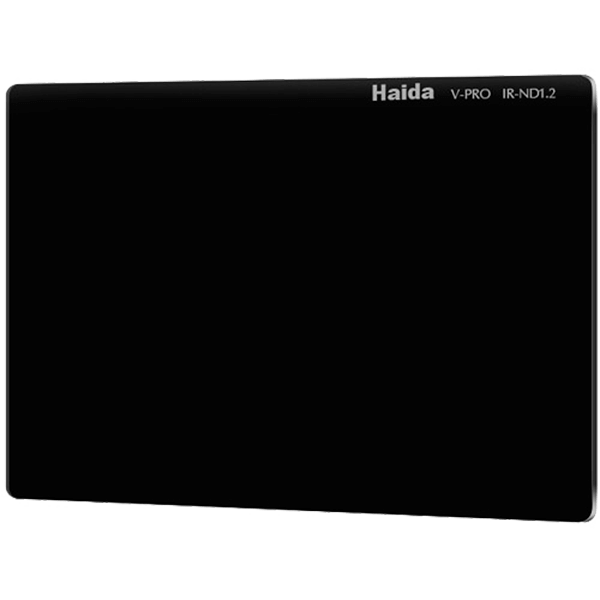
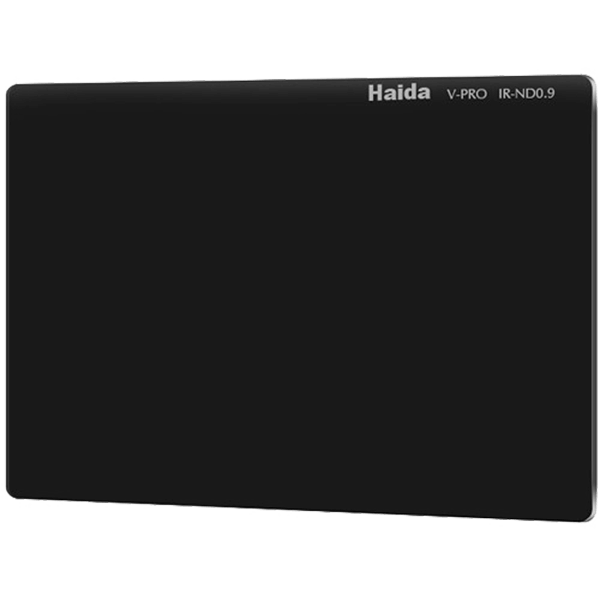
In film, the same principle applies, just in a different format. The standard is 4×5.65 inches, which fits into any standard matte box. Haida’s V-Pro series offers ND filters in this format, designed to maintain consistent color across all densities so that switching filters during a shoot doesn’t cause a sudden change in the image.
When You Don’t Need a System
If you just want to screw on an ND filter and shoot long exposures, a system is overkill. A screw-in ND filter with a few step-up rings costs a fraction of the price and fits in your jacket pocket. The filter holder is worth it as soon as you start using graduated filters, combine multiple filters, or use lenses without a front thread.