
Camera Tripods – A Stable Base for Photography and Video
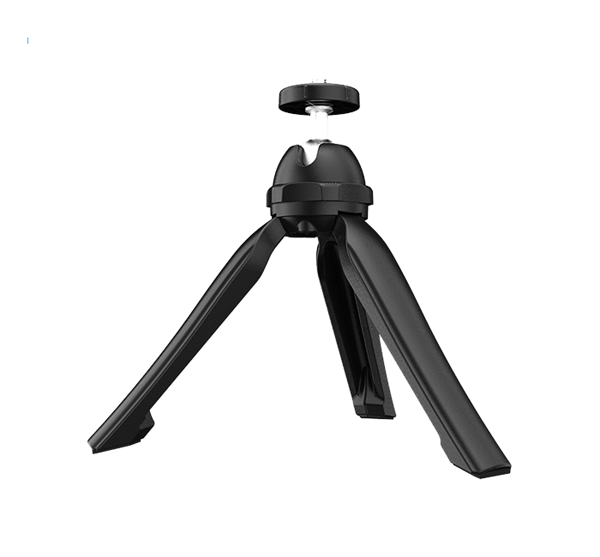
A good camera tripod is essential for sharp shots—whether you're doing landscape photography, filming, or traveling. In this category, you’ll find tripods, travel tripods, monopods, video tripods, and mini tripods, complemented by matching tripod heads, ball heads, L-brackets, and Arca-Swiss-compatible accessories. Brands like Sirui, Patona, and Peak Design stand for solid craftsmanship and well-designed functionality—all at a fair price-performance ratio.
Finding the Right Tripod
A tripod consists of two parts that are chosen independently of each other: the legs and the head. Together, they determine whether the camera is truly stable.
Tripod or Monopod?
A tripod stands on its own and is the only choice once the exposure time reaches the range of seconds or if you need to maintain the exact same position for time-lapses and panoramas. The trade-off is weight and setup time.
A monopod doesn’t stand on its own—it provides support. It takes the weight of a heavy camera and telephoto lens combination off your arms and gives you two to three f-stops of additional shutter speed while remaining portable. At sporting events, the zoo, and anywhere else where a tripod is too bulky or not allowed at all, it’s the practical solution.
Ball head or video head?
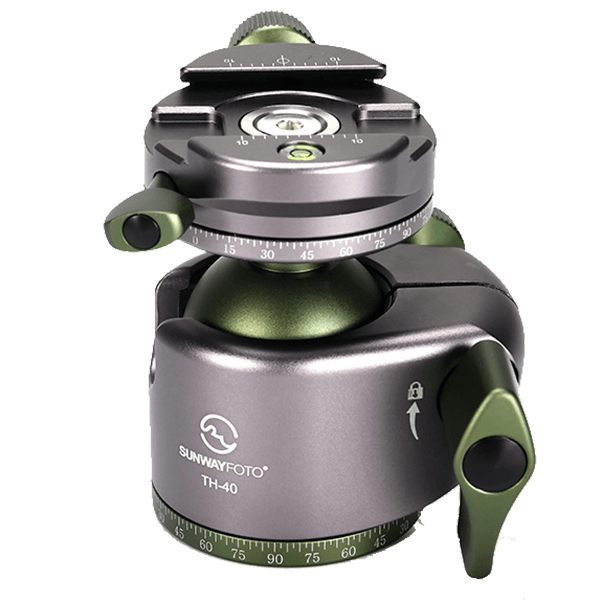
A ball head locks all directions simultaneously with a single screw, making it fast and intuitive for photography. Pay attention to the specified load capacity and ensure that the camera doesn’t sag when tightening—this is a common weak point with heavy lenses.
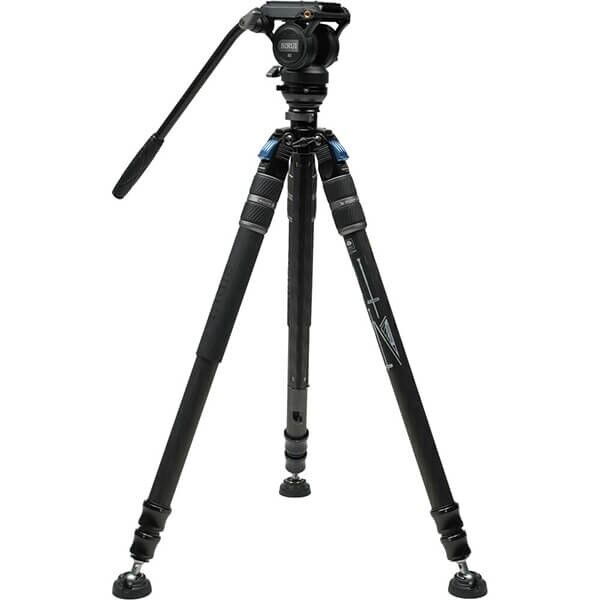
A video head separates pan and tilt and dampens both movements with fluid mechanics. The difference is evident in the movement: a pan starts and stops smoothly, rather than jerkily. For video, this is essential; for photography, it’s unnecessarily cumbersome.
Arca Swiss: the standard that matters
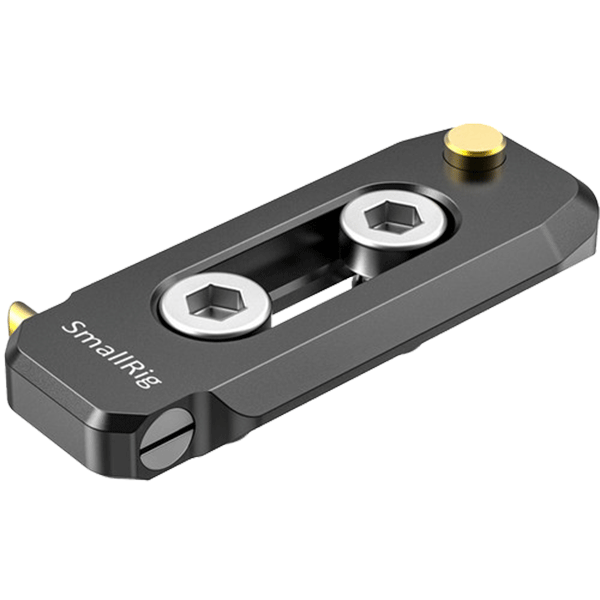
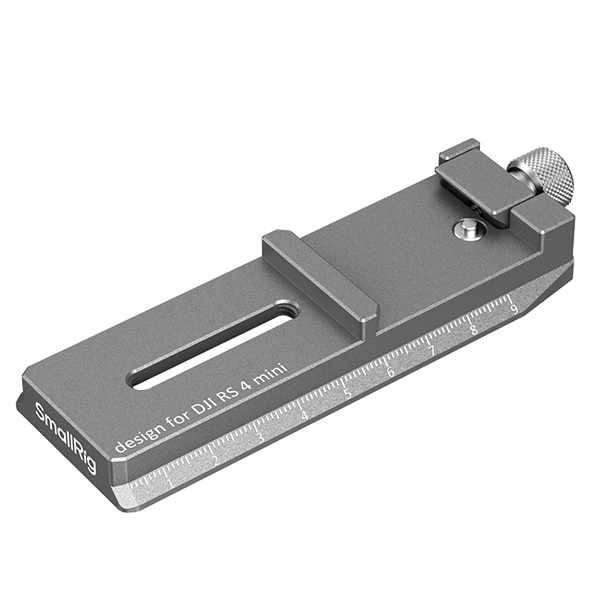
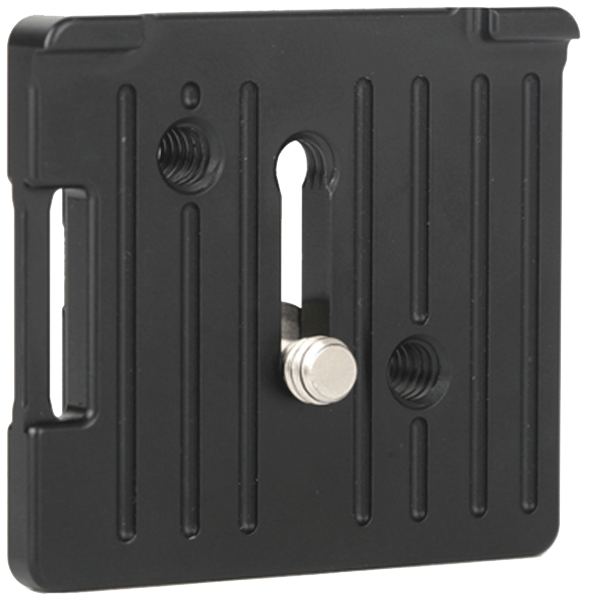
Arca Swiss isn’t a manufacturer-specific standard, but rather a widely used profile for quick-release plates: a dovetail shape approximately 38 mm wide that slides into a matching clamp and is tightened. The advantage is that plates and heads from different manufacturers are compatible. An Arca-compatible plate on the camera fits onto the ball head, the video tilt head, and often also into the clamp of a carrying system.
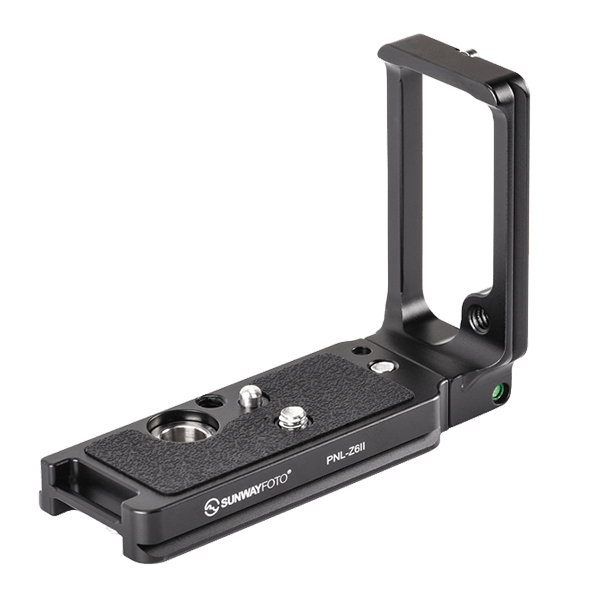
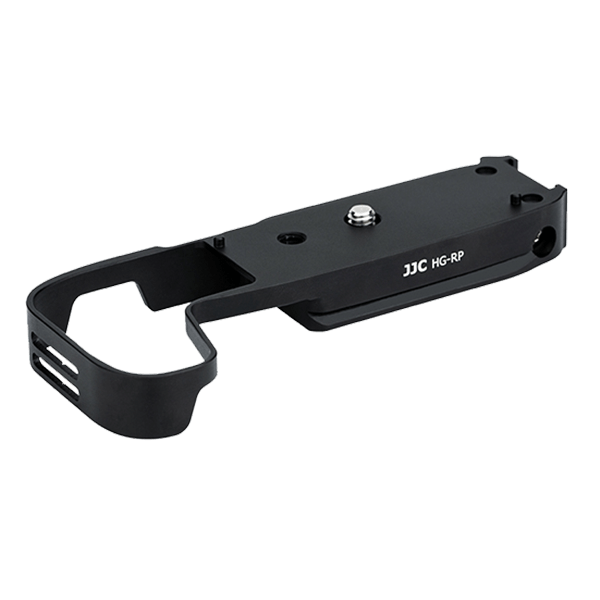
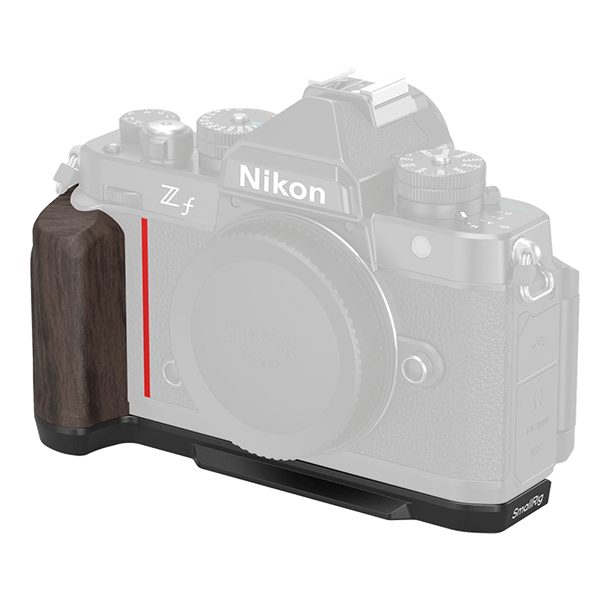
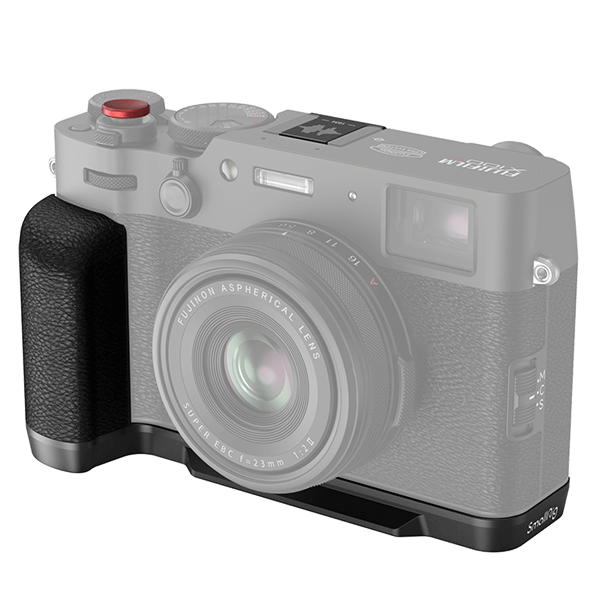
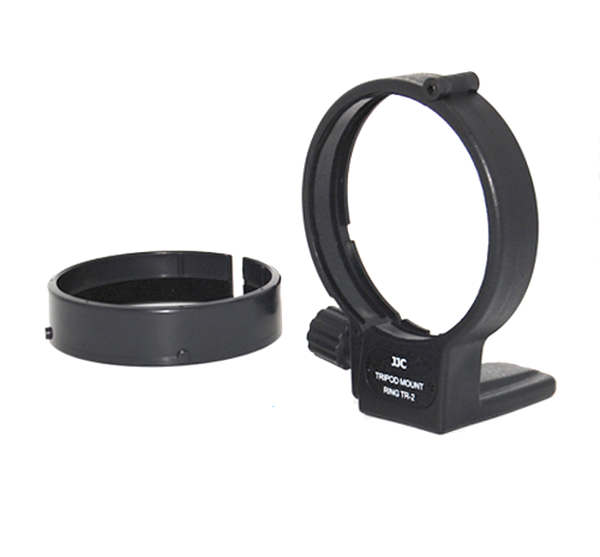
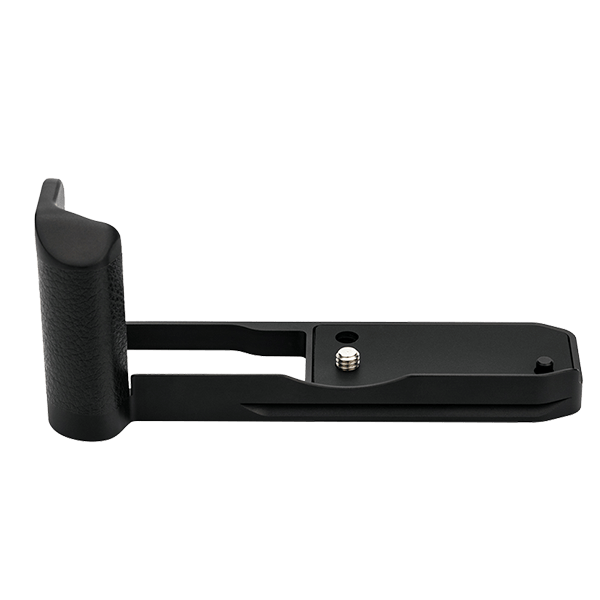
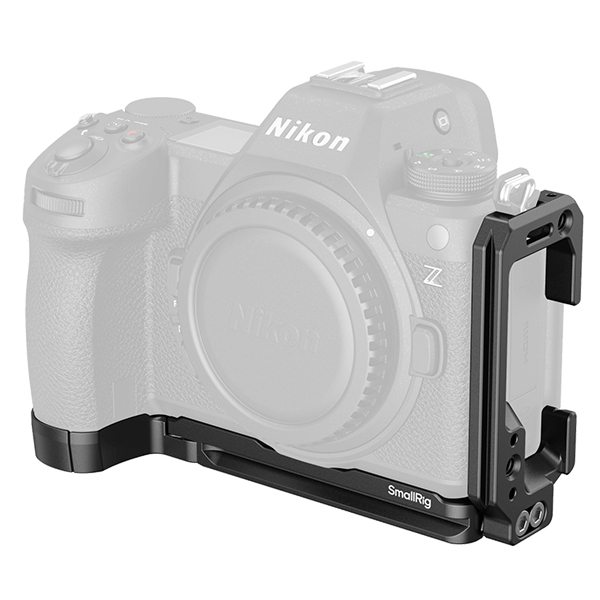
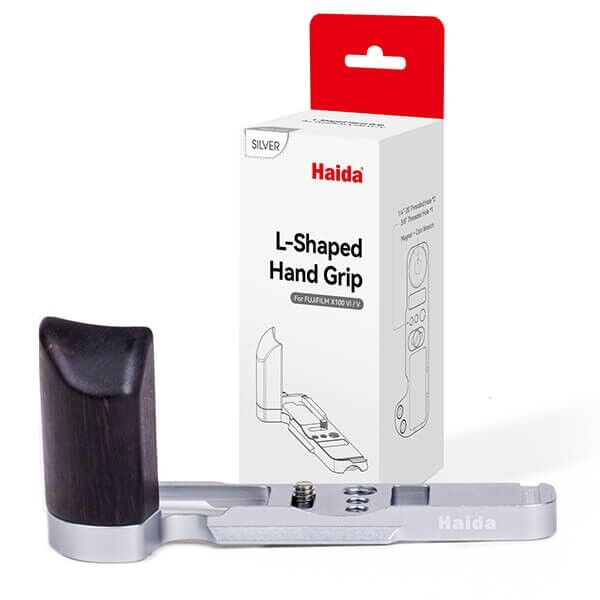
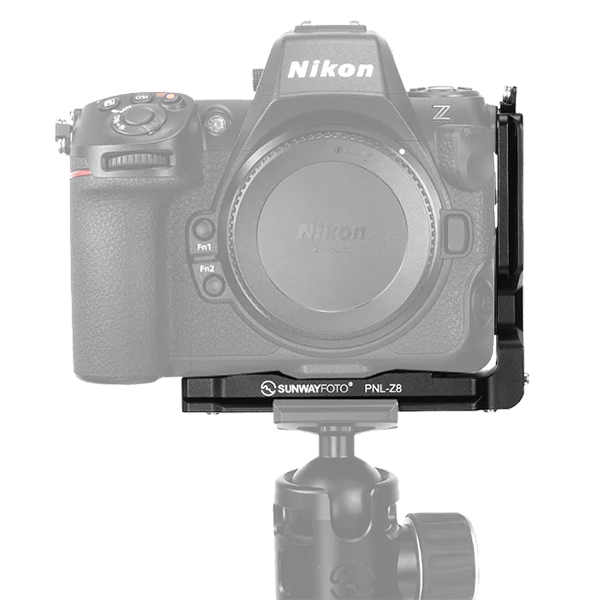
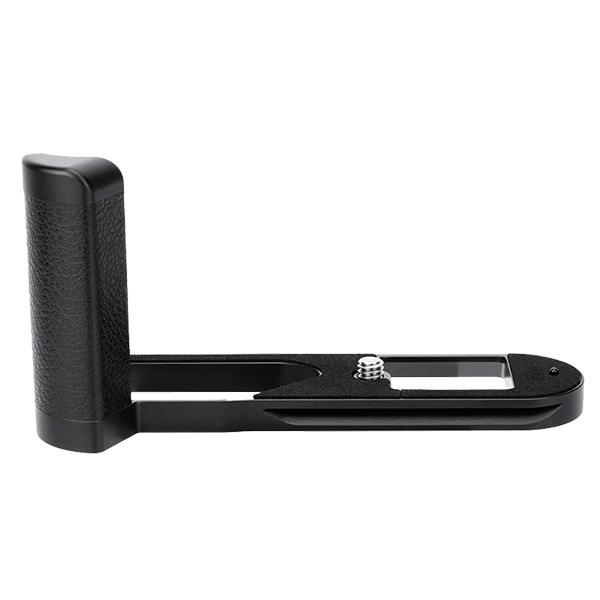
A practical tip: “Arca-compatible” is not a certified standard; tolerances vary slightly depending on the manufacturer. Clamps with screw locks are more forgiving than those with fixed quick-release mechanisms. If you’re switching everything over to one system, you should test the plate and clamp together at least once if possible. Camera-specific L-brackets offer the added advantage of letting you switch from landscape to portrait orientation without tilting the head to the side, thereby maintaining the center of the frame.
Material, Height, and Load Capacity
Carbon fiber dampens vibrations better than aluminum, is lighter, and feels more comfortable in your hands in cold weather, but it costs more. Aluminum is sturdy and more affordable, but heavier. For transport, the packed size matters; for work, the working height: A tripod that reaches eye level without extending the center column saves you from constantly having to bend over. The center column is always the wobbiest part; only extend it when necessary. When it comes to load capacity, calculate your heaviest setup and allow for a margin—a tripod pushed to its limit will sway with every gust of wind.
Lighting and boom stands for the studio
Lighting stands are not camera tripods. They support flashes, softboxes, or continuous lights; they’re taller, have a lighter build, and use the 16-mm spigot as standard. A boom stand has an arm that allows you to position the light freely above the subject without the legs getting in the shot. With large light modifiers, a counterweight must be attached to the other end of the arm; otherwise, the entire setup will tip over. You can find the right accessories for this in the photo studio.