
Step-Up Rings and Filter Adapters
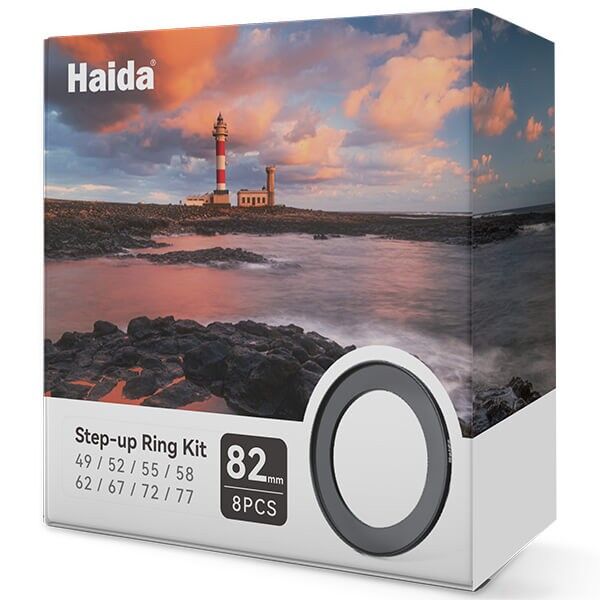
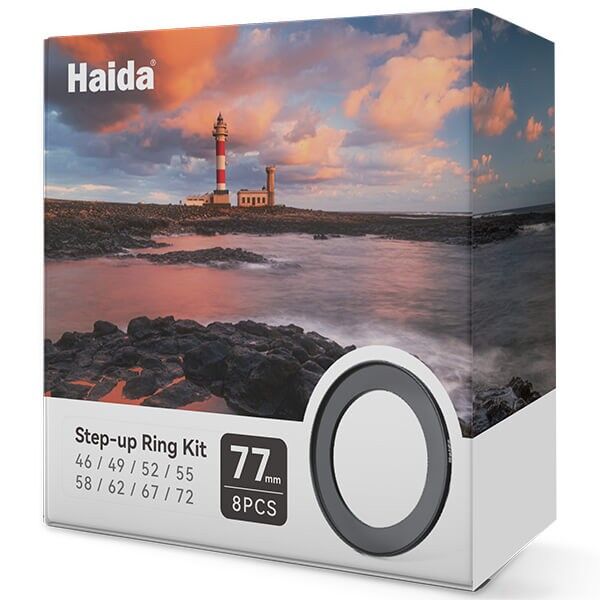
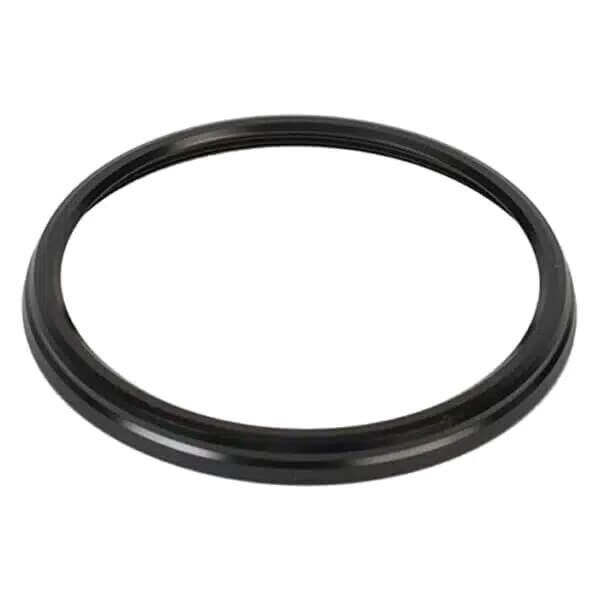
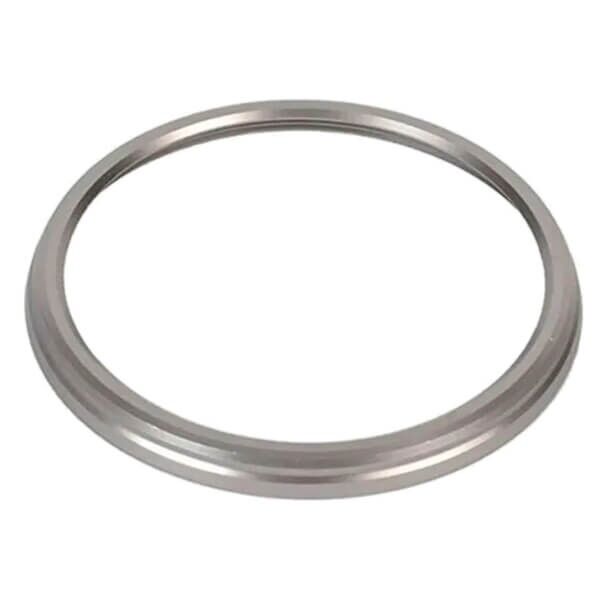
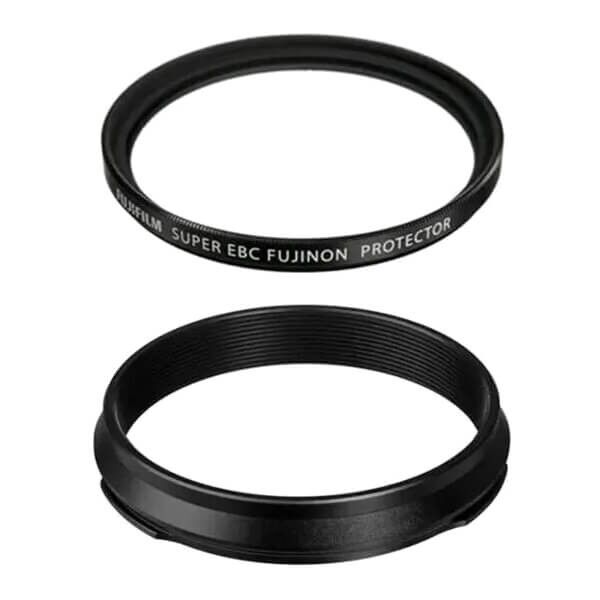
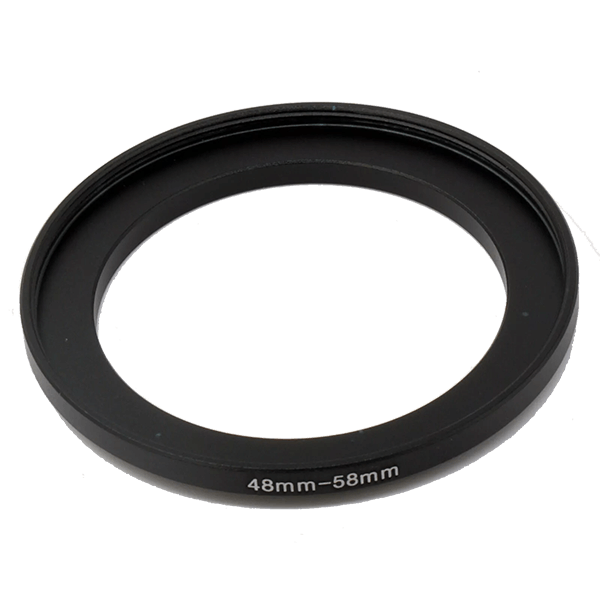
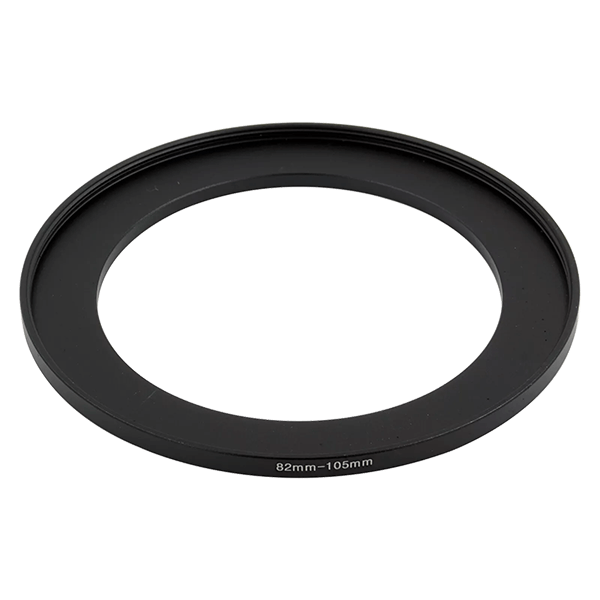
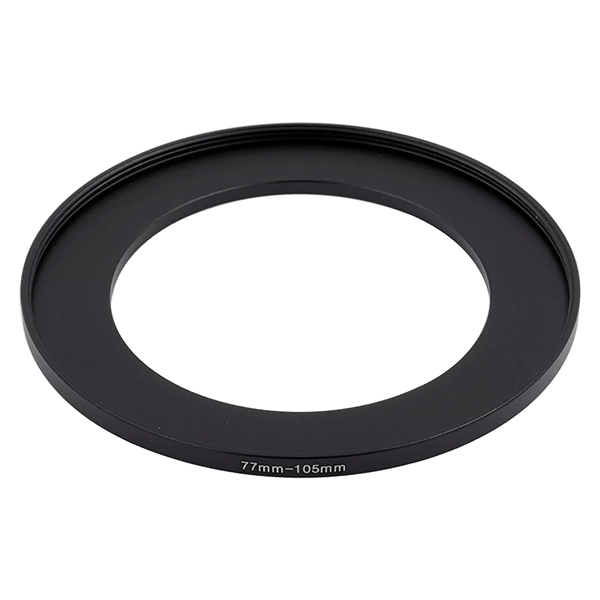
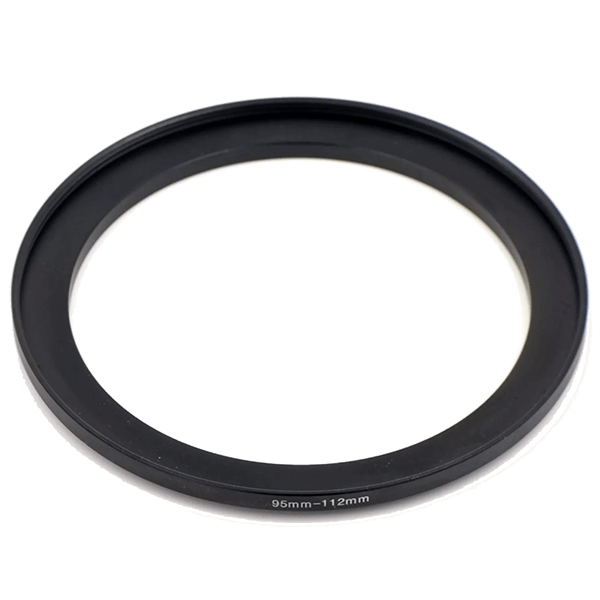
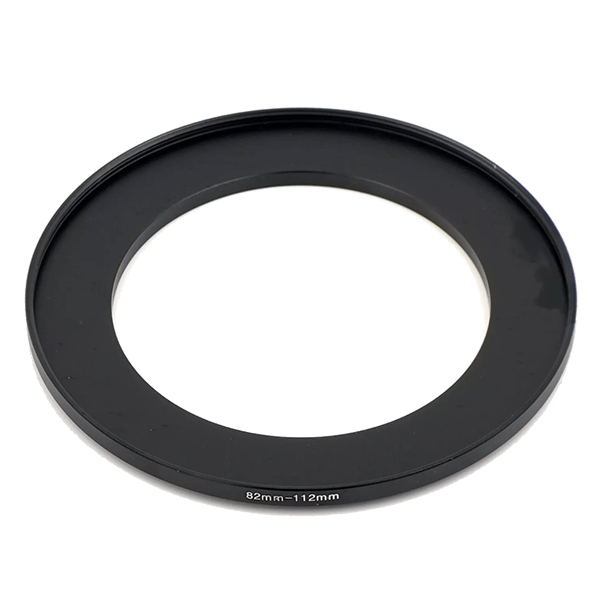
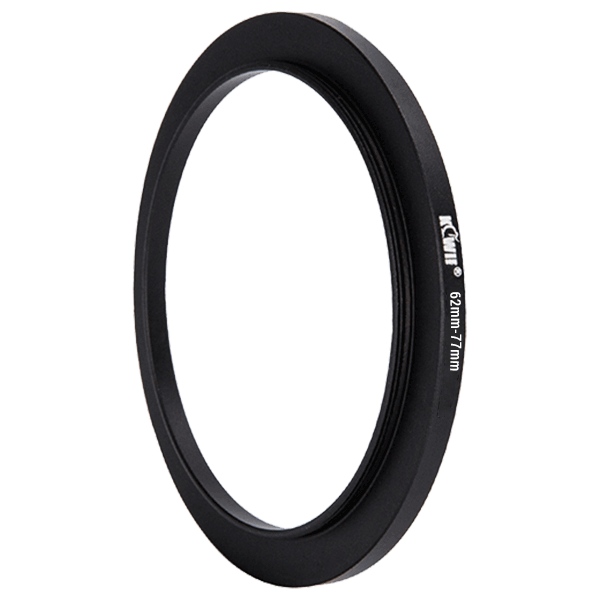
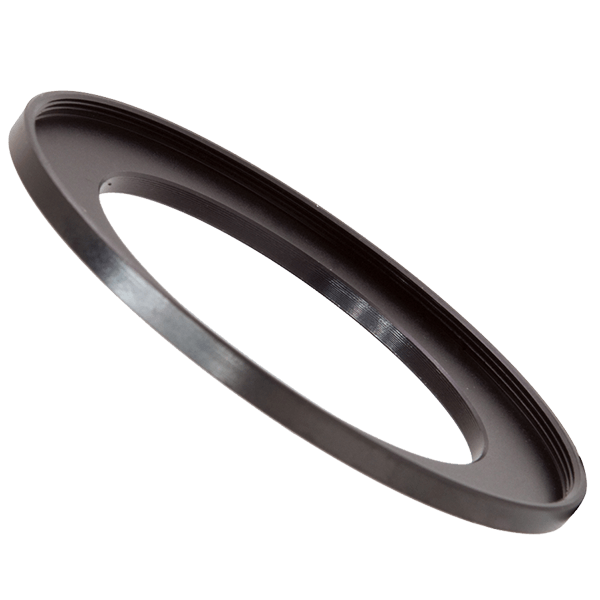
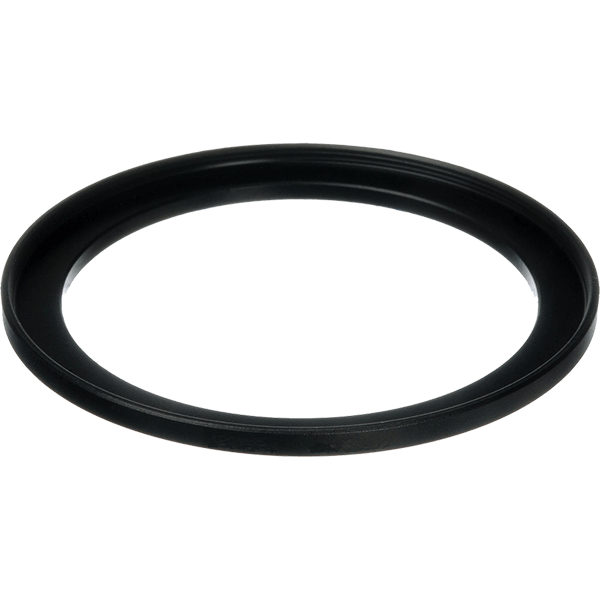
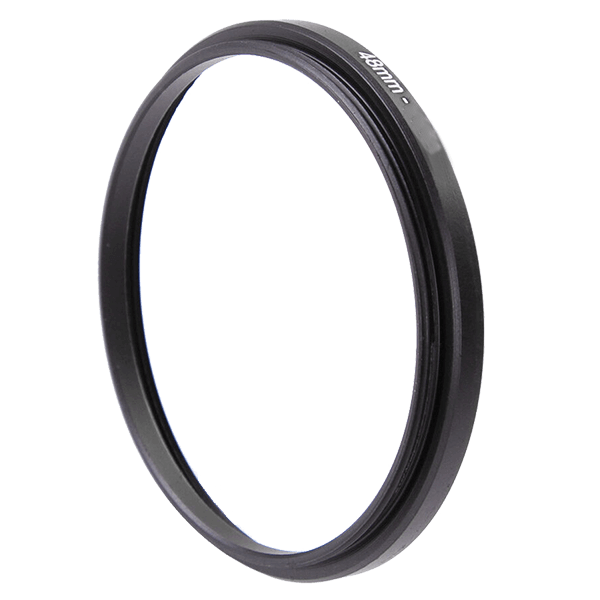
A step-up ring saves you from having to buy the same filter multiple times. It adapts a larger filter to a lens with a smaller thread, such as an 82-mm polarizing filter to a 67-mm lens. Here you’ll find step-up rings in all standard combinations from 37 to 112 mm.
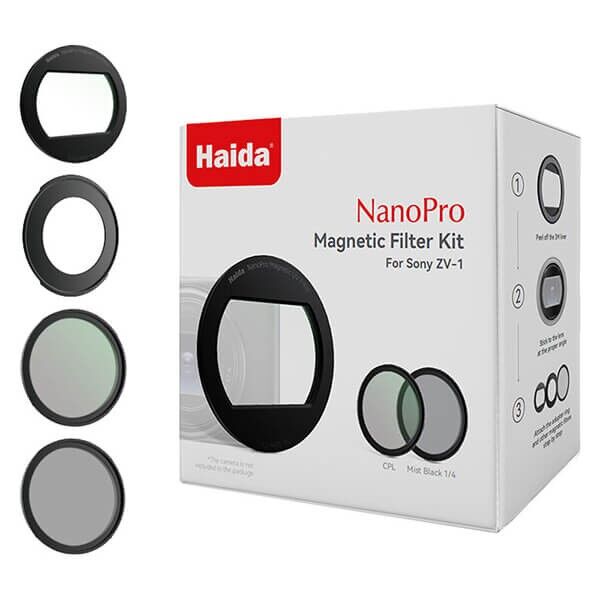
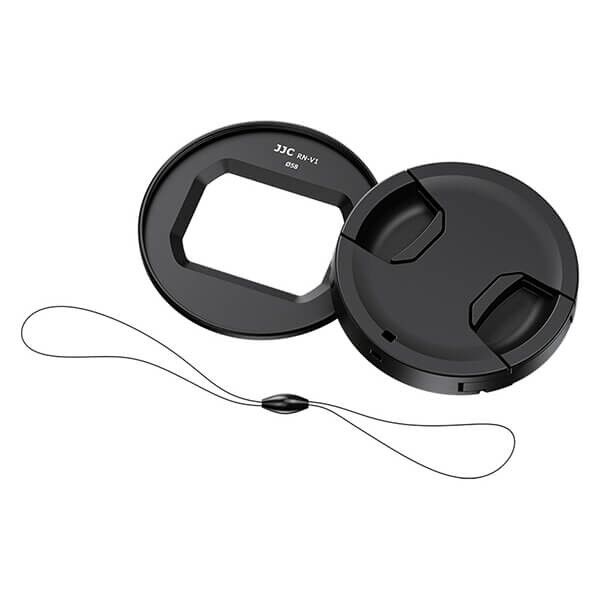
One Filter for All Lenses
Filters are expensive, while filter rings cost almost nothing. This is precisely the strategy most photographers use when buying filters.
Here’s How to Do It
Check which lens has the largest filter thread. The value is listed on the front behind the symbol “ø”; common sizes are 49, 52, 55, 58, 62, 67, 72, 77, and 82 mm. Buy a single filter in this largest diameter—usually 77 or 82 mm. For each smaller lens, get a step-up ring, and the same filter will fit all of them.
The direction is important: “step up” means from small to large—that is, from the smaller lens thread to the larger filter. A 67–82 mm ring is designed for a 67 mm lens and holds an 82 mm filter. It does not work the other way around. A filter that’s too small would darken the corners of the image, which is why step-down rings are only useful in exceptional cases.
The Most Common Combinations
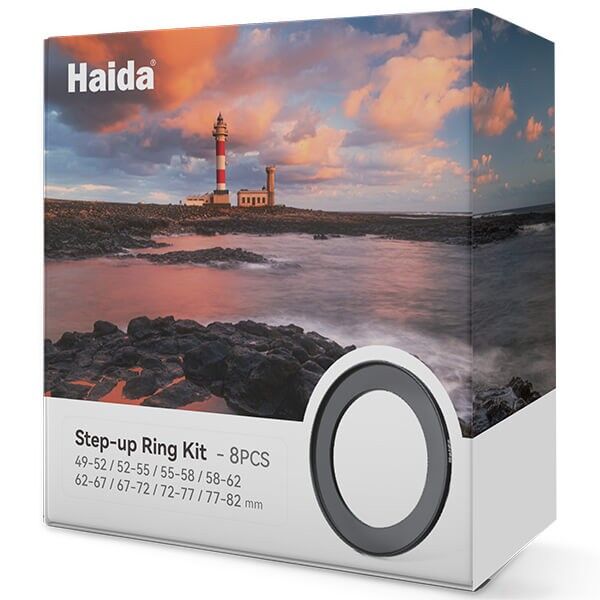
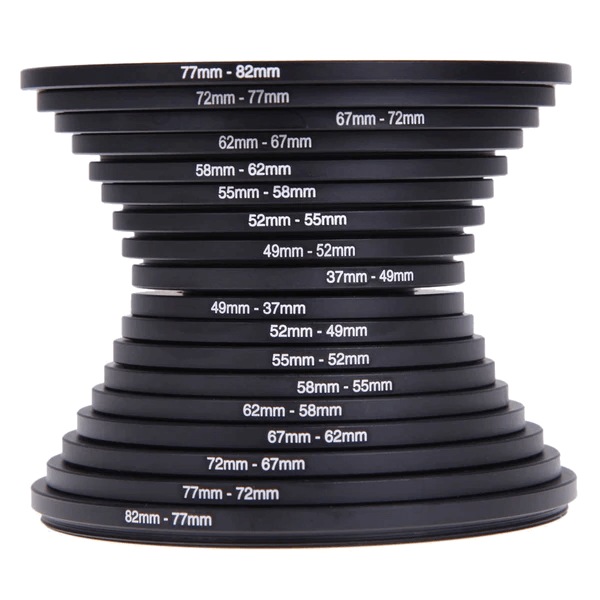
The most popular sizes are 77 and 82 mm, because that’s where most photographers’ filters fall: 55–77, 58–77, 62–67, 67–77, 67–82, and 72–82 mm. If you work with multiple intermediate sizes, a set of rings is more cost-effective than buying them individually.
What to Look For
Aluminum rings are lightweight and affordable; brass rings are less likely to jam and can still be loosened even after years of use. Tighten the rings only hand-tight; otherwise, you’ll have a hard time separating them in cold weather. Two practical considerations: Your lens’s lens hood usually won’t fit with a ring attached, and with super-wide-angle lenses, a tall stack of rings can even cause vignetting. A single ring with a flat profile is therefore better than three stacked rings.