
Tripods and Monopods
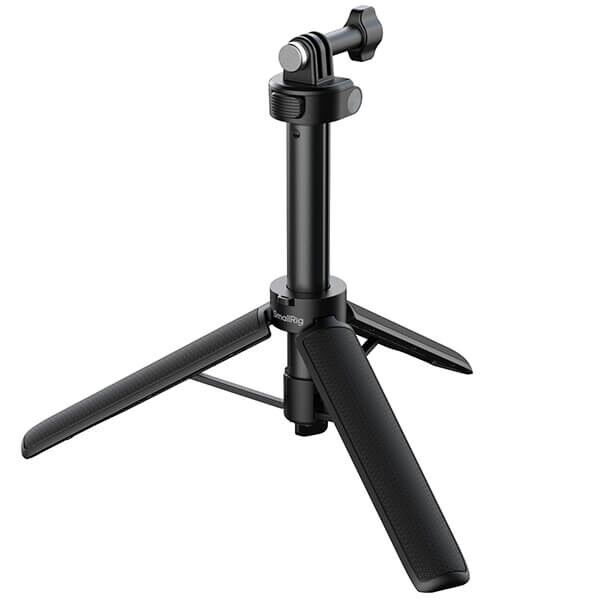
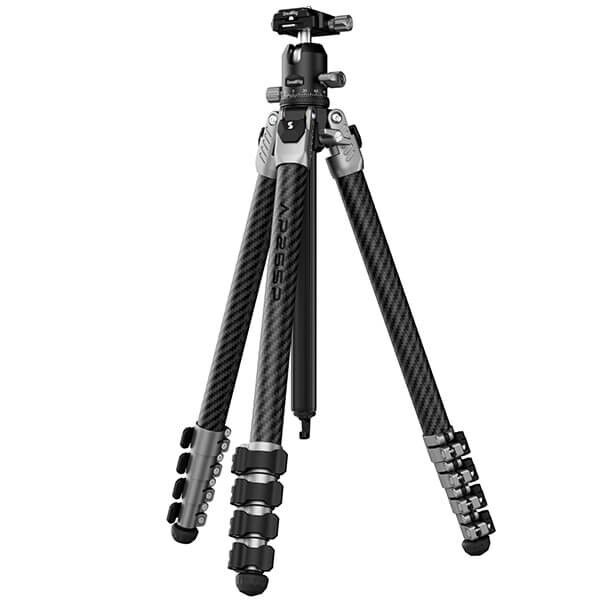
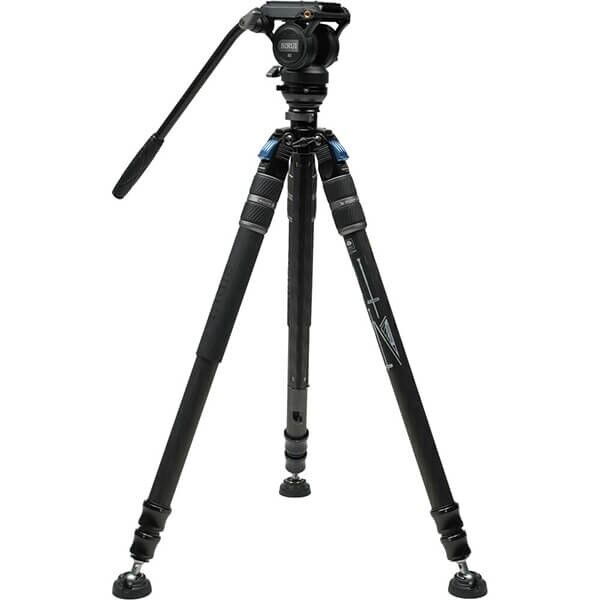
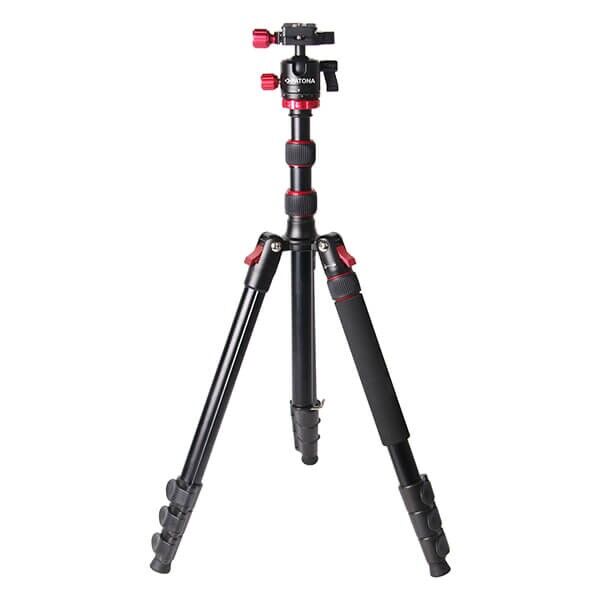
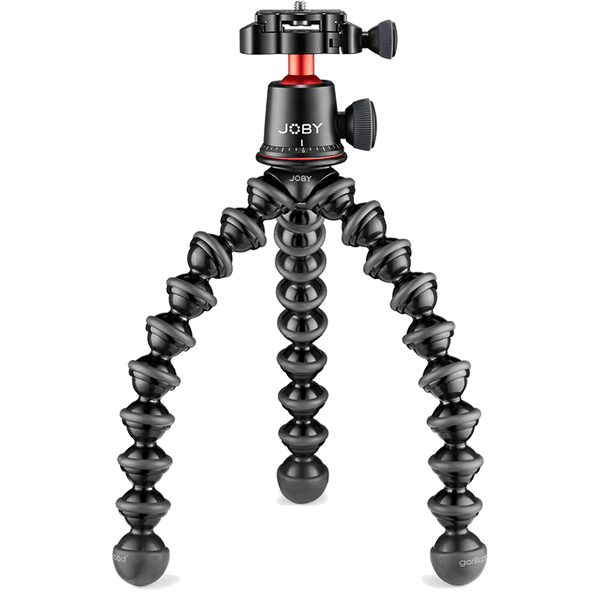
A tripod is essential for anything that takes longer than a split second. Here you'll find tripods for landscape photography and long exposures, compact travel tripods that fit in your carry-on luggage, and monopods for long focal lengths, made of carbon fiber and aluminum.

Choosing the Right Tripod
You rarely need to buy a tripod twice if you pay attention to the right factors the first time. Four criteria are key.
Working Height vs. Maximum Height
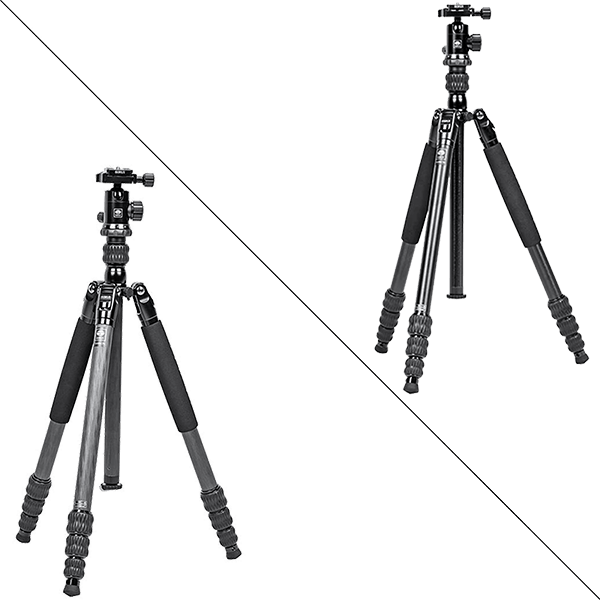
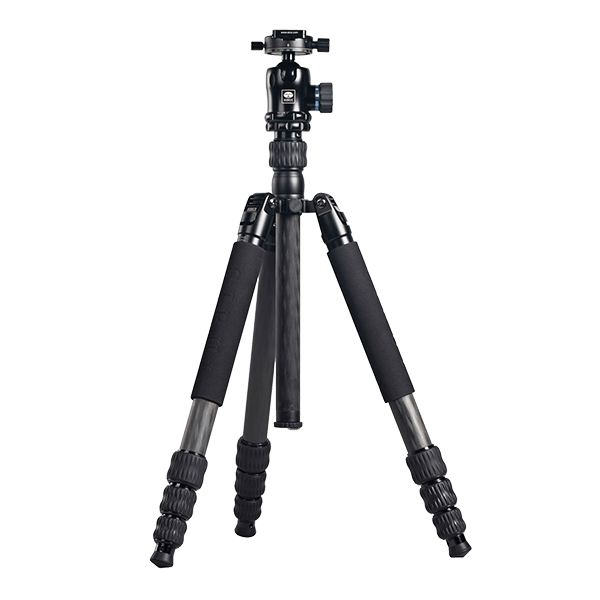
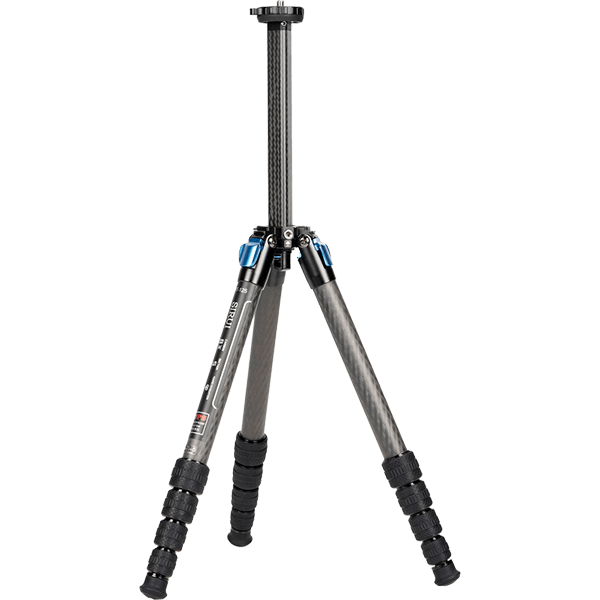
The advertised maximum height usually includes the extended center column, which is the wobbiest part of the entire tripod. The number that matters is the height without the center column. If the tripod reaches your eye level this way, you can work upright and won’t have to bend over all day. Anything else is tiring in the long run.
Carbon or Aluminum
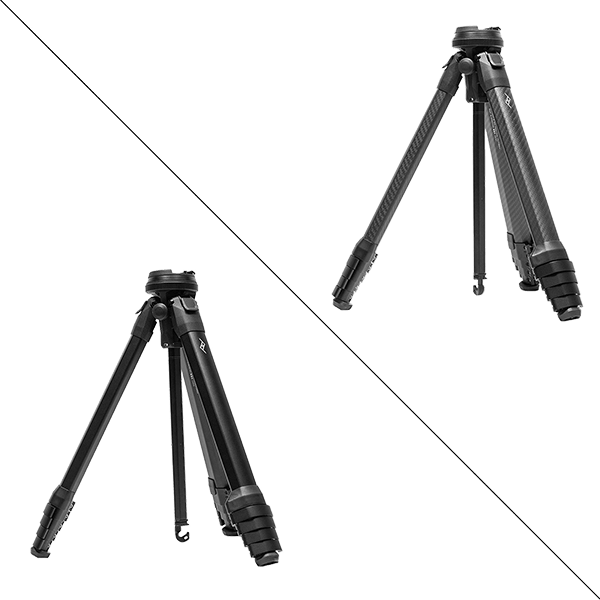
Carbon dampens vibrations better, weighs about a third less, and feels more comfortable in your hands in winter because it doesn’t conduct cold. Aluminum is more resistant to impacts and significantly cheaper. The rule of thumb: If you’re carrying the tripod, go with carbon. If you’re just setting it up from the car to the set, save money with aluminum.
Leg Segments and Clamps
Three segments are sturdier; four pack down smaller. The more segments, the thinner the bottom leg and the more vibration. For travel, four to five sections are the compromise; for maximum stability, go with three. When it comes to locks, twist locks are sleeker and can all be opened at once, while flip locks are faster and let you see at a glance whether everything is closed. Both work—it’s a matter of personal preference.
Load capacity with a margin
Add up the weight of your heaviest setup—camera plus longest lens plus head—and allow for a significant margin. A tripod pushed to its limit will stand, but it will wobble with every gust of wind and every touch. For exposure times of several seconds, that’s the difference between a sharp image and an unusable one. Many tripods have a hook at the bottom for a counterweight; attaching your camera bag to it noticeably stabilizes the setup.
Monopod
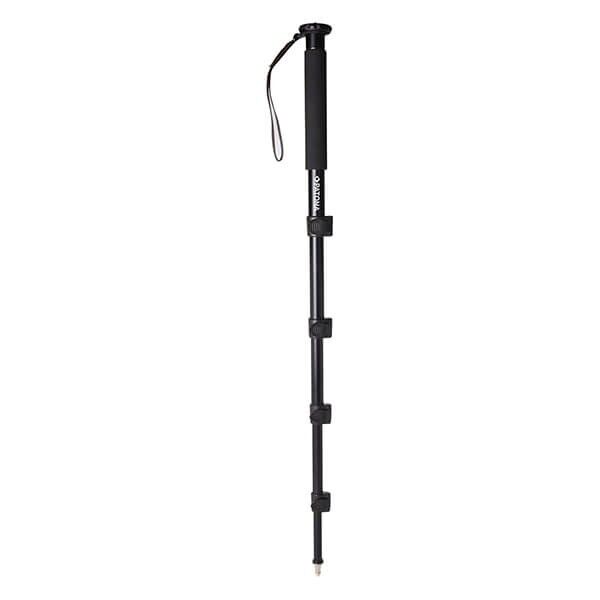
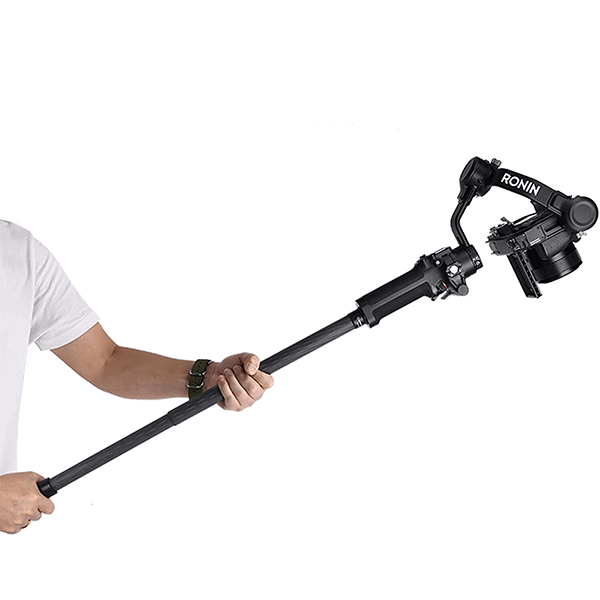
A monopod doesn’t just stand on its own—it provides support. It takes the weight of the camera and telephoto lens off your arms and gains two to three f-stops of stable exposure time, while still remaining flexible. At sporting events, at the zoo, and anywhere else where tripods are too bulky or not allowed, it’s the practical solution. You can find the right head under Heads for Tripods.