
Macro Photography – Accessories for Extraordinary Close-ups
The world of tiny things holds fascinating subjects—you just have to bring them into view. With the right macro photography accessories, you can capture details in flower petals, insect eyes, or water droplets that are barely visible to the naked eye. Whether you need extension tubes for a higher magnification ratio or macro lighting for even illumination at close range—here you’ll find everything you need for stunning macro shots.
Macro Photography: Getting Started
Macro photography means capturing a small subject in a large image. True macro photography begins at a magnification ratio of 1:1, at which point an object appears on the sensor at its actual size. An insect measuring one centimeter will thus fill one centimeter of the sensor, resulting in a full-frame portrait on the screen.
Three Ways to Get Closer
A macro lens is the most direct solution. It’s designed for short distances, achieves a 1:1 magnification ratio without additional accessories, and delivers the best image quality. The focal length determines the working distance: at 50 mm, you have to get very close, which doesn’t work with shy insects and quickly brings your own shadow into the frame. A focal length between 90 and 105 mm is considered the practical compromise for insects and flowers.
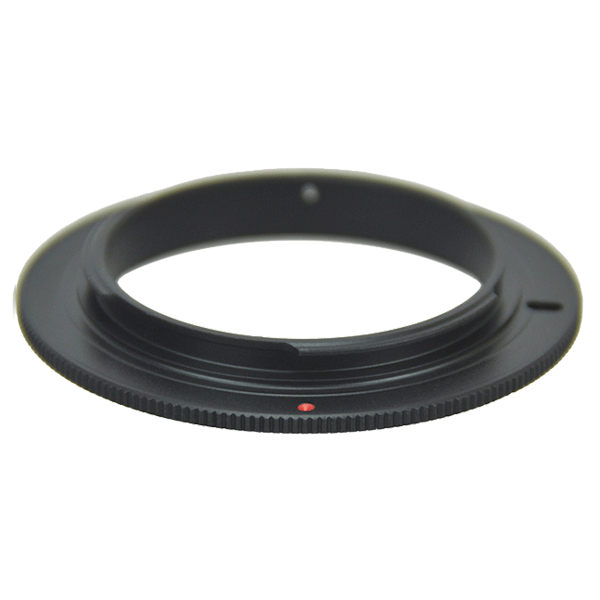
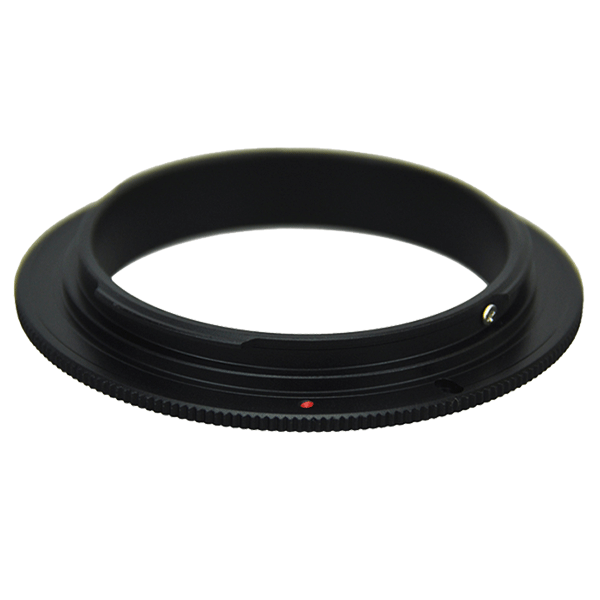
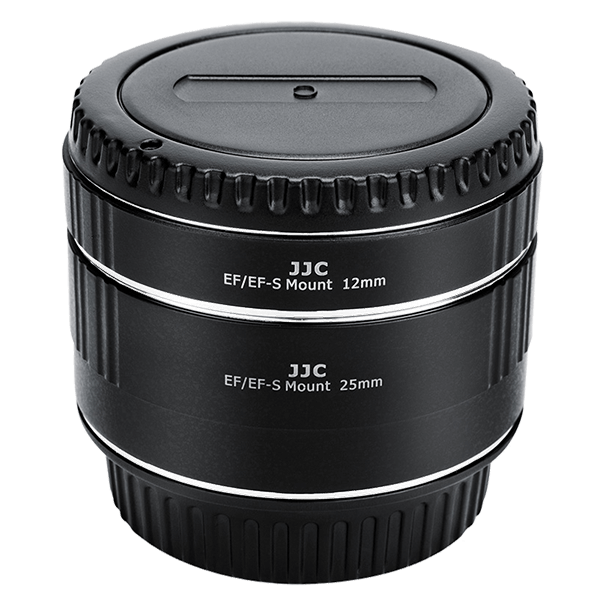
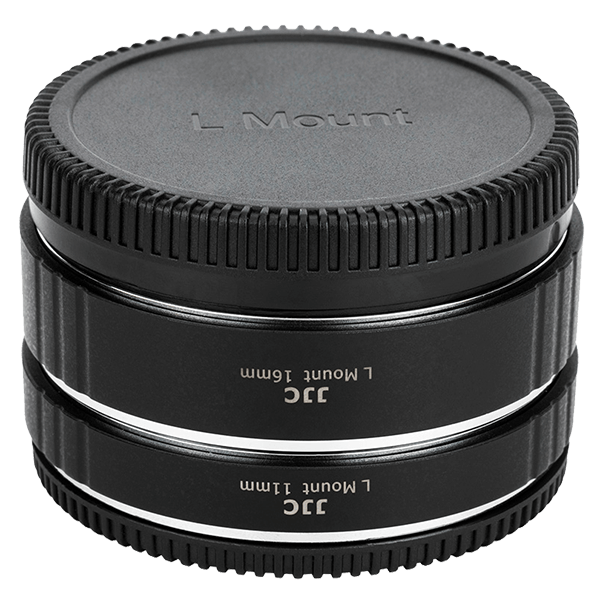
Extension tubes are an affordable way to get started. They don’t contain any lenses; they simply create space between the lens and the camera. This shortens the minimum focusing distance and increases the magnification ratio. Since there’s no glass in the way, your lens’s optical quality remains intact. Make sure to choose rings with electrical contacts for your mount; otherwise, you’ll lose aperture control and autofocus. The trade-off: you’ll lose some light and won’t be able to focus to infinity while the ring is attached.
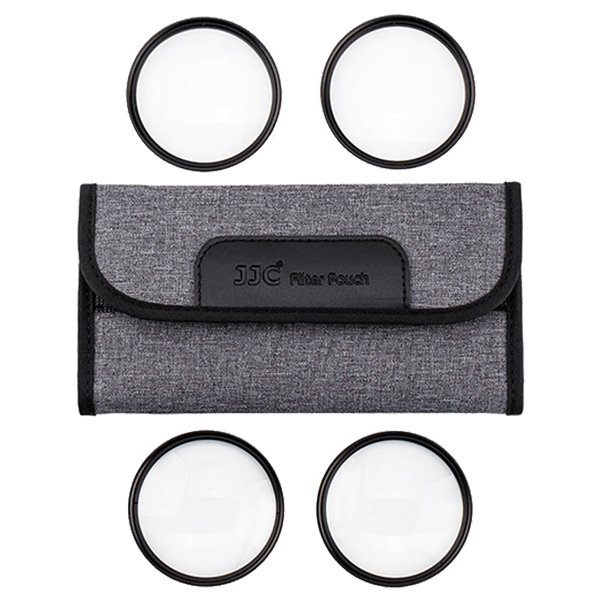
A close-up lens screws onto the front like a filter and acts like reading glasses for the lens. It’s the most compact and quickest option, but depending on its quality, it can result in some loss of sharpness toward the edges of the image.
The real problem: depth of field
In macro photography, the depth of field shrinks to just a few millimeters; at 1:1 magnification and a wide aperture, it can sometimes be less than a millimeter. Stopping down helps only to a limited extent, because diffraction sets in at around f/16, causing the entire image to soften again. That’s why the focal plane determines the image: when photographing an insect, the eyes should be in focus, while everything else can be out of focus.
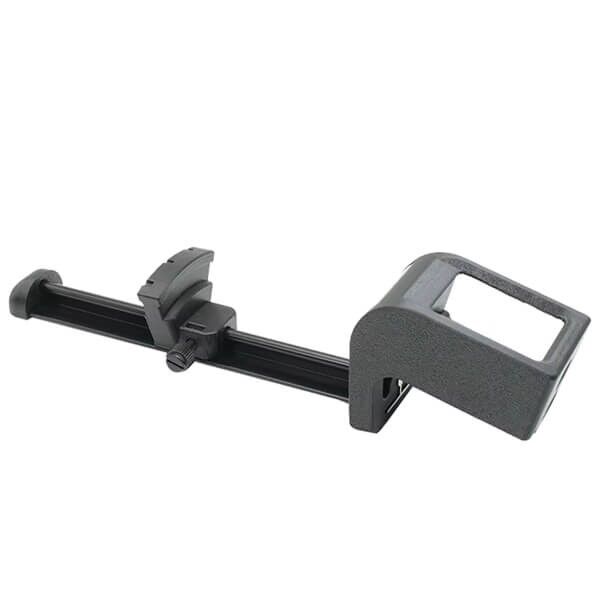
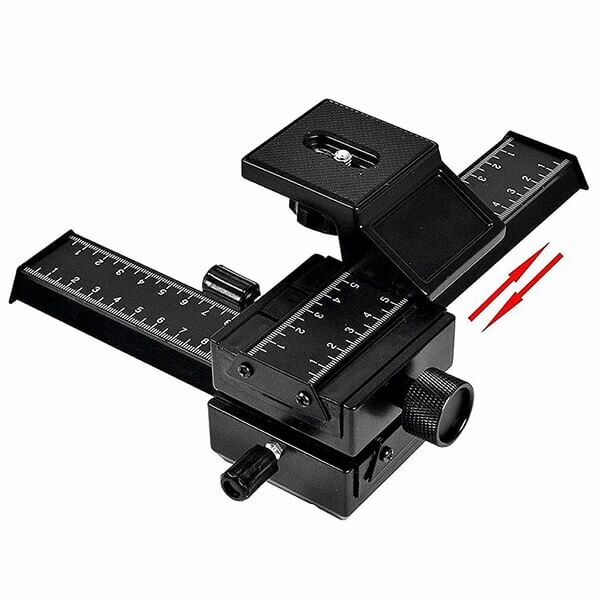
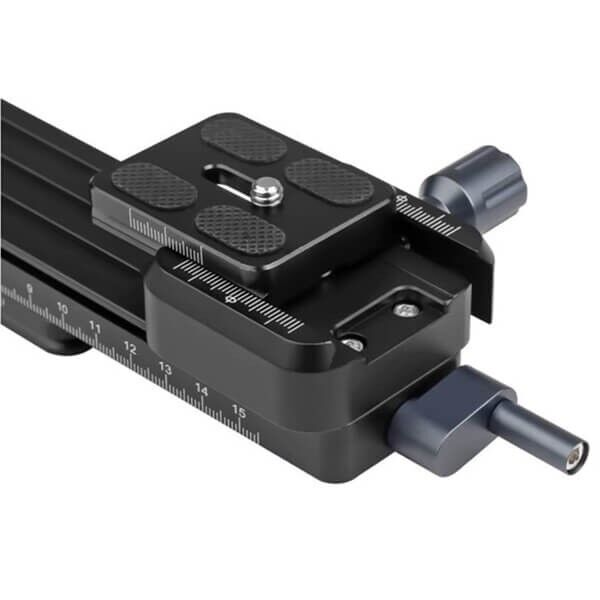
A macro slide solves exactly this problem. Instead of turning the focus ring, you move the entire camera back and forth by fractions of a millimeter using a fine-threaded screw. First, this is more precise, and second, it forms the basis for focus stacking: You take a series of shots with the focal plane shifted by a minimal amount and later combine them into a single image that’s sharp throughout. For stationary subjects in the studio, this is the standard method for shots that wouldn’t be possible otherwise.
Light: The Diffuser Makes All the Difference
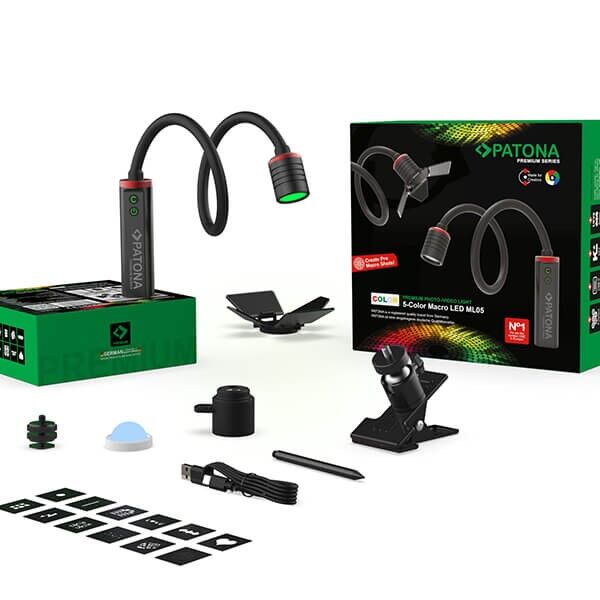
The closer you get, the less light remains. The lens blocks the subject, the aperture is closed, and the shutter speed still needs to be fast because everything is moving. That’s why flash is the rule, not the exception, in macro photography.
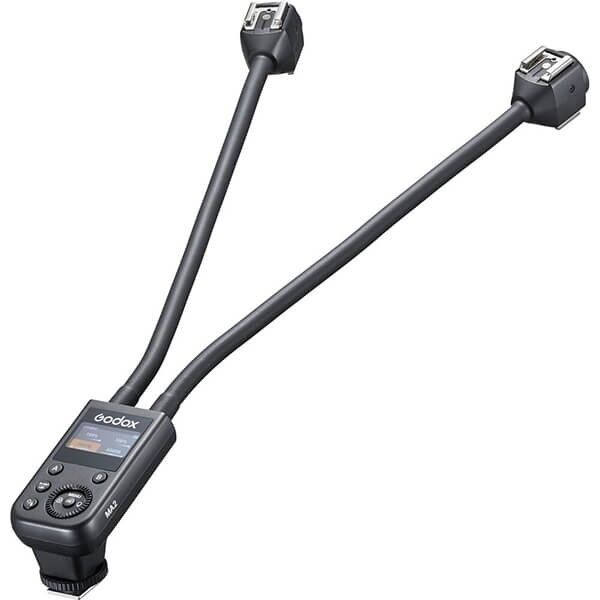
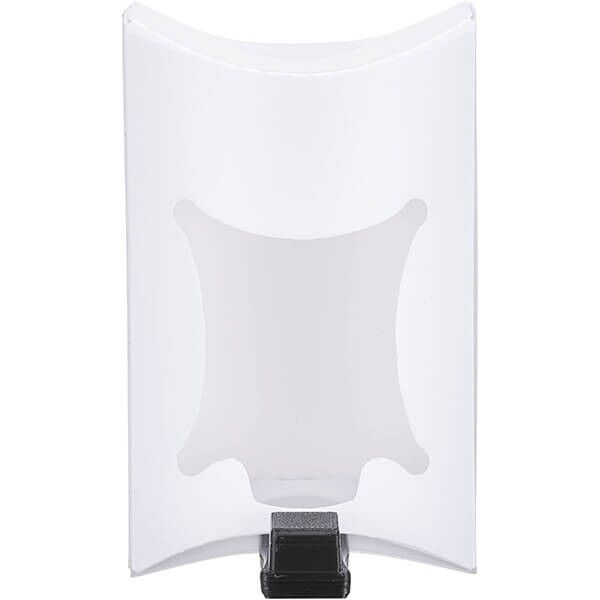
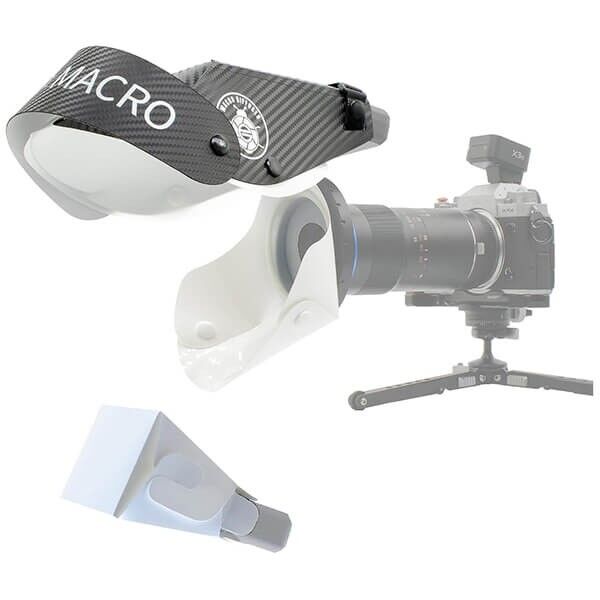
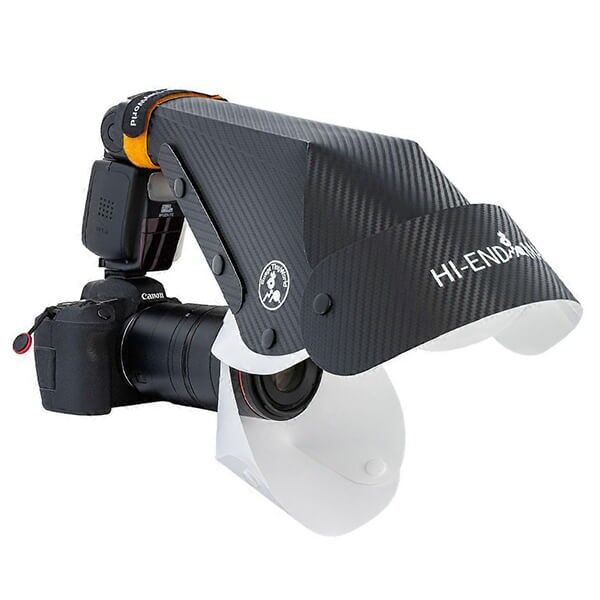
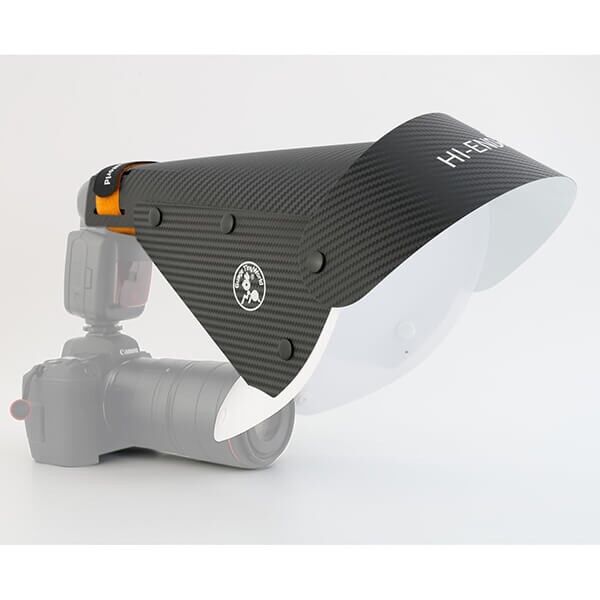
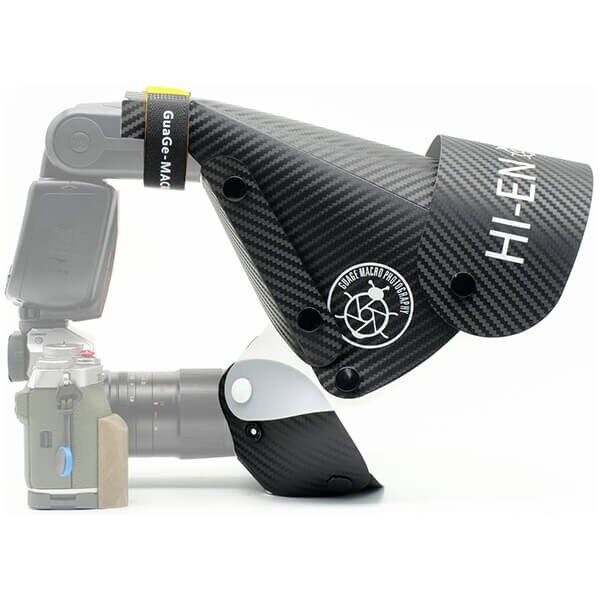
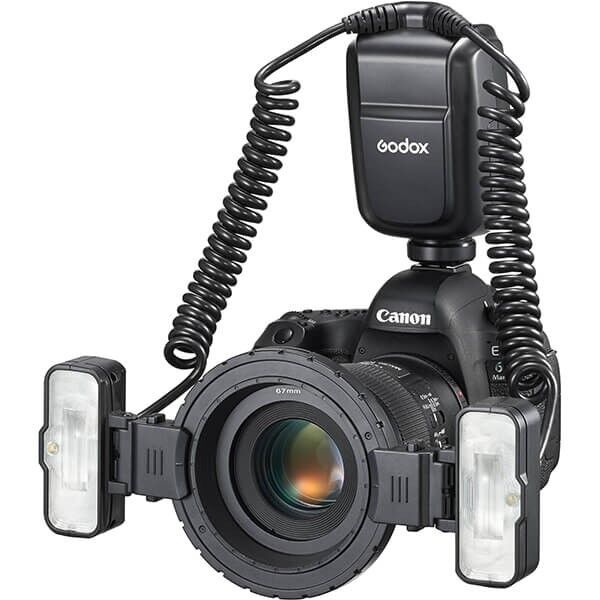
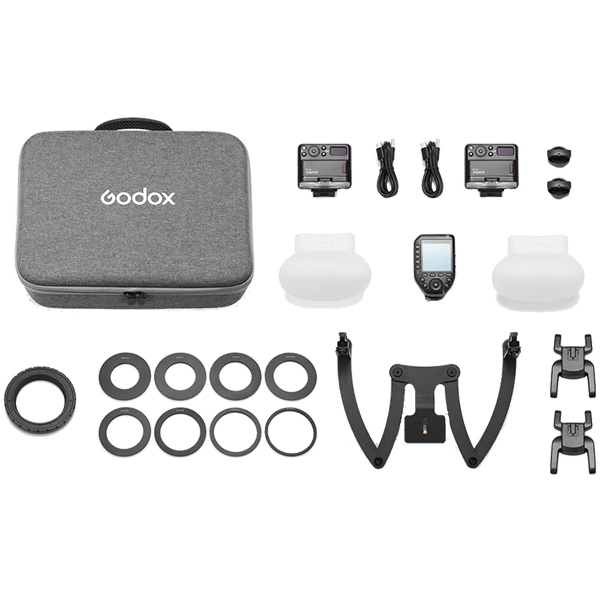
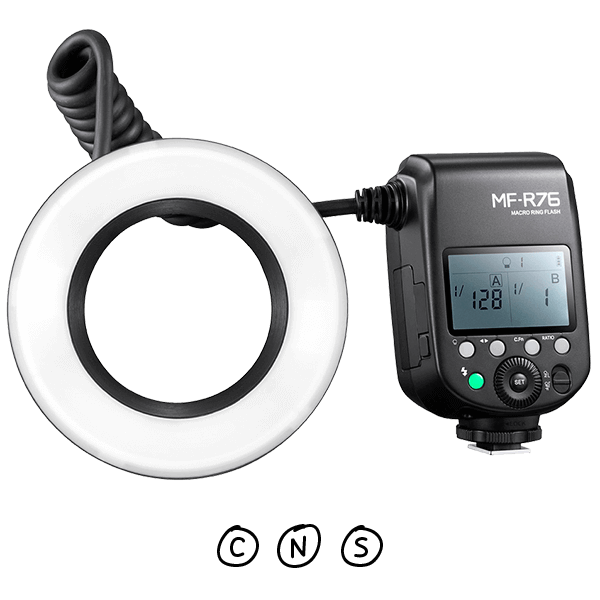
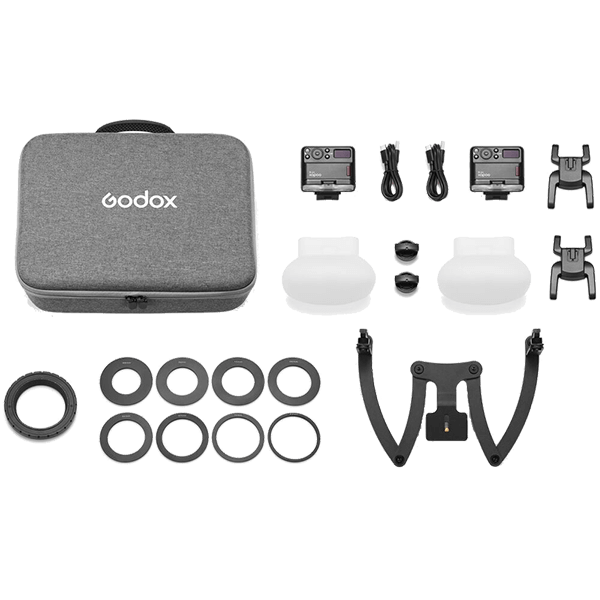
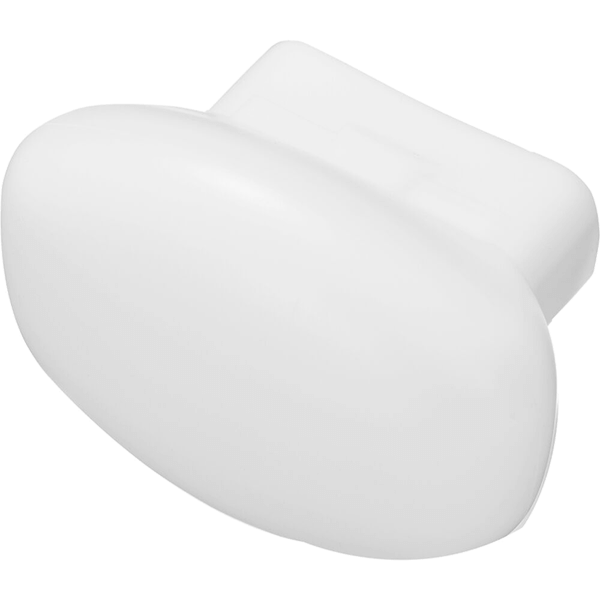
However, a direct flash at this close range creates harsh reflections on chitinous exoskeletons and petals and causes the background to wash out to deep black. A diffuser is the solution and the most important accessory of all in macro photography: It greatly increases the light-spreading area relative to the subject, which is only a few centimeters in size, and that’s exactly what softens the light. A hard point source becomes a surface that envelops the insect. Twin flashes and ring flashes mounted on the lens deliver the light exactly where it’s needed.
Practical Tips
Autofocus reaches its limits at these magnifications; it hunts back and forth and can’t find the correct plane. The usual approach is manual focus using the magnified view and focus peaking, combined—when photographing insects—with gently rocking your upper body back and forth until the image is in focus. For subjects on the ground, a beanbag serves as a flexible support. Early in the morning, insects are still damp from the night and sit much more still; plus, there’s dew on everything. This is the best time for macro photography, and the reason why many macro shots are taken backlit by the first rays of the sun.