
UV Filters and Protective Filters
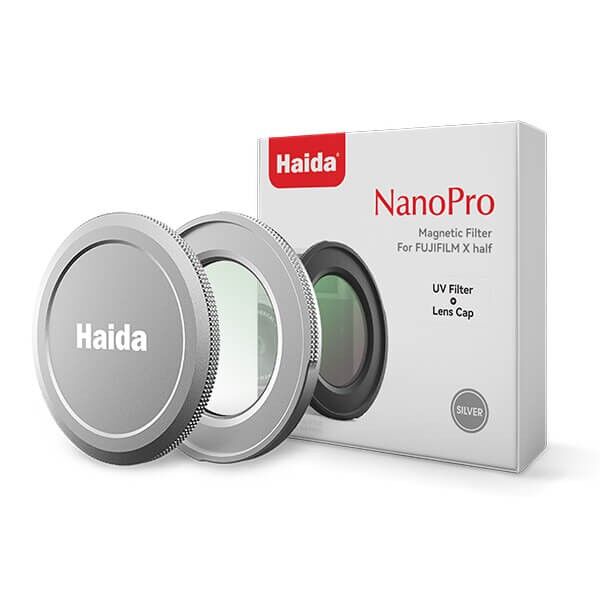
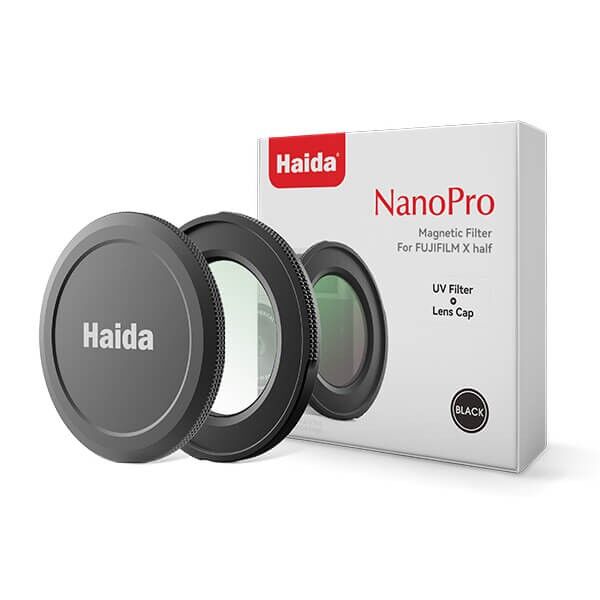
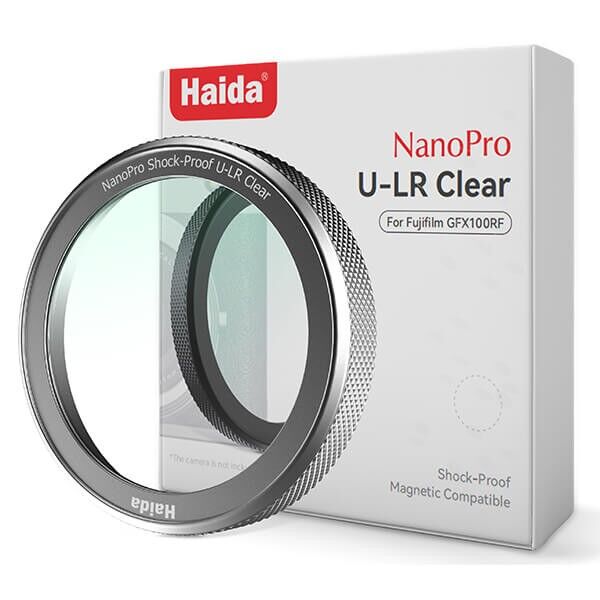
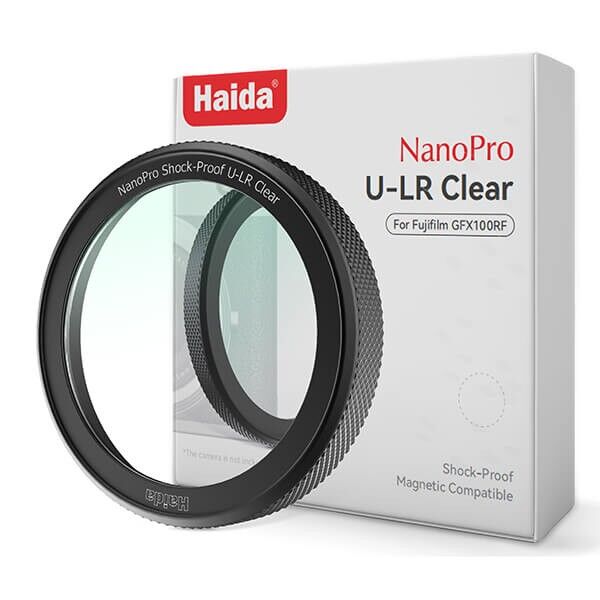
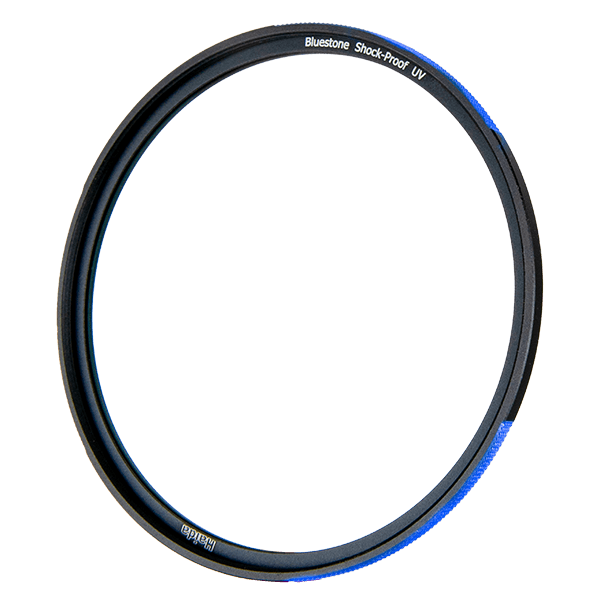
The most affordable protection for the most expensive lens. A protective filter keeps dust, sand, and water splashes away from the front element and absorbs the impact if the lens bumps into something. Here you’ll find multi-coated protective filters from Haida in standard diameters, as well as custom-fit models for the Leica Q, Fujifilm X100V, X half, and GFX100RF.
Do you still need a UV filter today?
The honest answer: not because of UV. In digital cameras, the sensor is protected from UV light anyway, so the original purpose of these filters from the analog era is no longer relevant. What remains is a different benefit.
Protection, not image effect
The filter acts as a sacrificial screen. Sand on the beach, saltwater by the coast, dust on a construction site, and that one moment when the lens hits the edge of a door: A low-cost filter can be replaced, but a scratched front lens cannot. If you spend a lot of time outdoors, it’s a good investment. If you work exclusively in a studio, you don’t need one.
The objection, and what’s to it
Any additional glass surface in front of the lens can cause reflections when shooting into the light. That’s true, and that’s exactly why coating is crucial. A cheap, single-coated filter in front of an expensive lens is actually a step backward: it creates ghosting around bright light sources and reduces contrast. A multi-coated filter, on the other hand, is imperceptible during normal use. As a rule of thumb: Don’t use a protective filter, or use a good one. At night with streetlights in the frame and in direct backlighting, unscrew it if in doubt.
Custom-fit for specific cameras
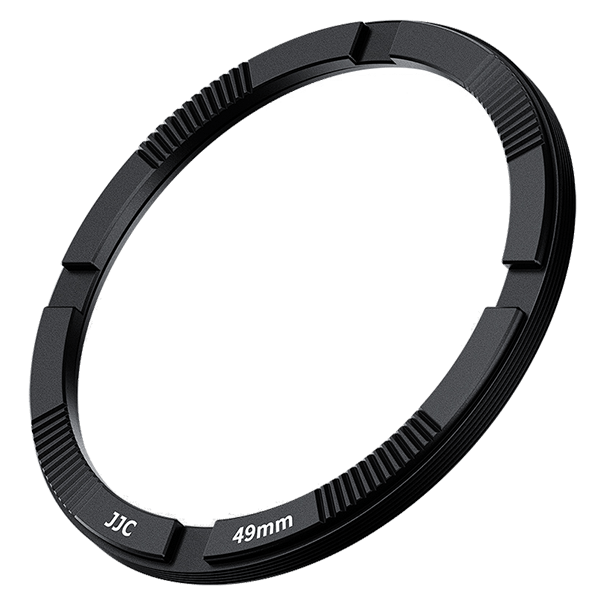
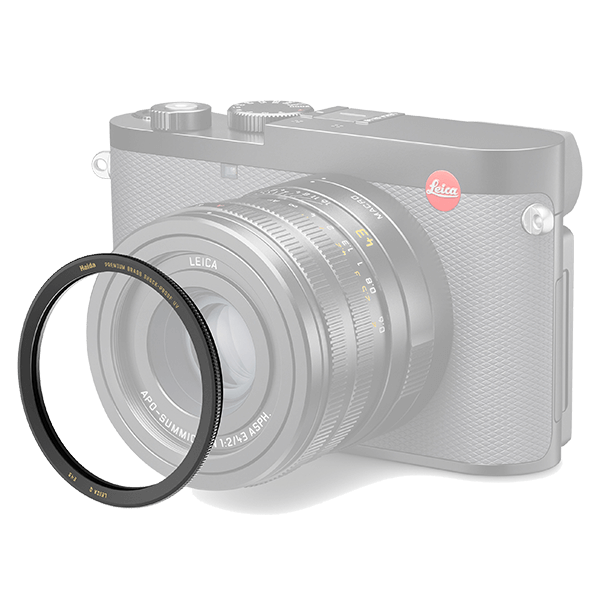
For cameras with fixed lenses, there are protective filters that are precisely tailored to the respective model. For the Fujifilm X100V and X100VI, the filter is attached to the front along with an adapter ring, sealing the body against dust and mitigating this well-known weakness of these cameras. For the Leica Q, Q2, and Q3, as well as the Fujifilm GFX100RF, there are ultra-thin versions that don’t interfere with the camera’s aesthetics and match the body in black or silver.
Size
The diameter is marked on the front of your lens after the symbol ø. Unlike with ND and polarizing filters, the “step-up” strategy isn’t worth it here: A protective filter stays on the lens permanently, so you should buy it in the correct size right away. Make sure to choose a flat mount; otherwise, the lens hood won’t fit over it.