
Video accessories for cameras – microphones, lights, monitors, and rigs
Great videos aren't just about the camera – the right video accessories make all the difference. Whether it’s a camera microphone for clear audio, video lights for optimal illumination, an external monitor for precise focusing, or a camera cage for a stable setup: Here you’ll find tried-and-tested video equipment for DSLR, mirrorless, and cinema setups. From compact entry-level solutions to professional video gear – everything clearly organized in one place.
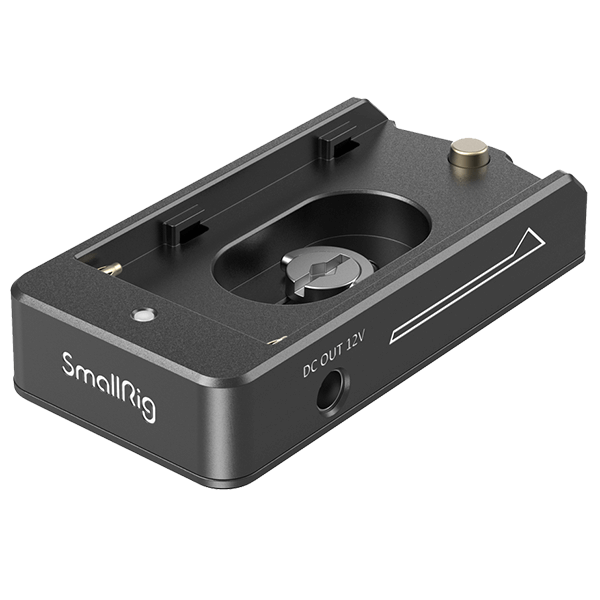
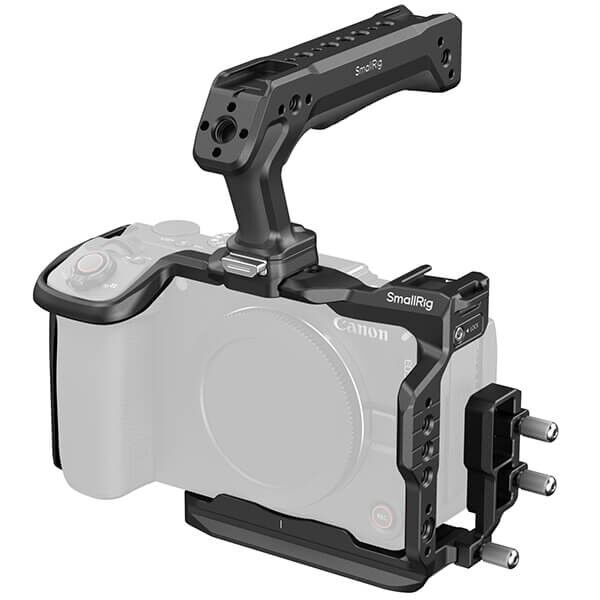
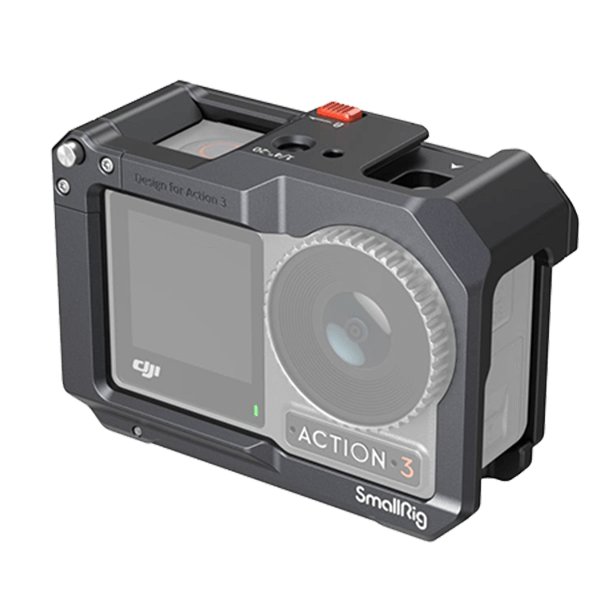
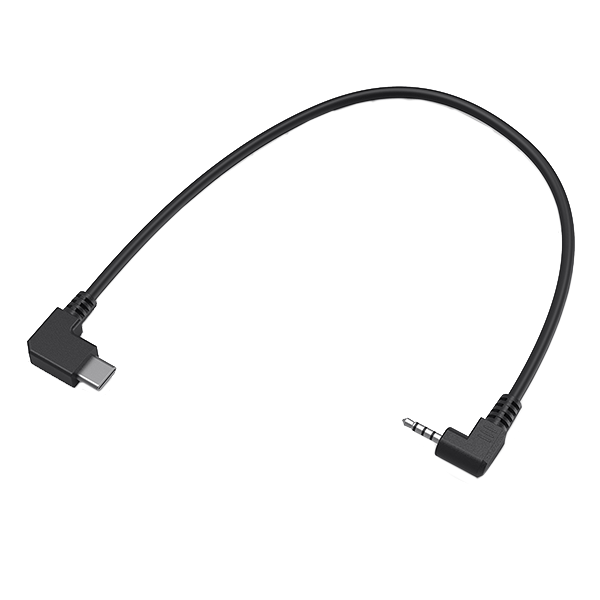
Setting Up Your Video Equipment: Audio, Lighting, Rig
When filming with a still camera, three things stand out right away—in this order: poor audio, flat lighting, and a camera to which nothing can be properly attached. It’s also worth making the investment in that same order.
Audio: The Biggest Improvement
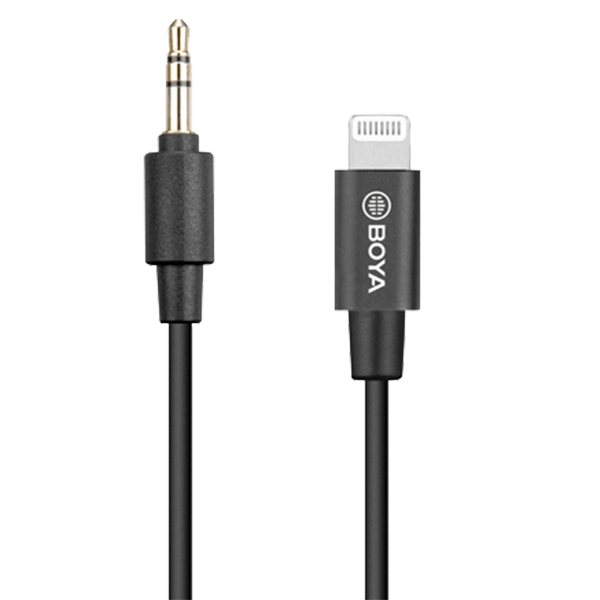
A camera’s built-in microphone is in the wrong place—far away from the speaker and right next to the controls. Viewers will forgive mediocre video, but they’re unlikely to forgive poor audio. An external microphone is therefore the accessory that delivers the greatest visible return on investment.
A directional microphone mounted on the hot shoe primarily picks up what the camera is pointing at and filters out the sides. This works well for interviews at a fixed distance, for reporting, and for anything that needs to be done quickly. A lavalier microphone is attached to the collar and thus always remains the same distance from the voice, regardless of movement. A wireless system combines this advantage with freedom of movement; the transmitter clips onto your belt or directly onto your shirt, while the receiver is attached to the camera. For vlogs, courses, and any situation where someone is moving, this has become the standard approach. Make sure the transmitter has a built-in recording function as a safety net in case the wireless connection drops out.
Lighting: Soft and Continuous
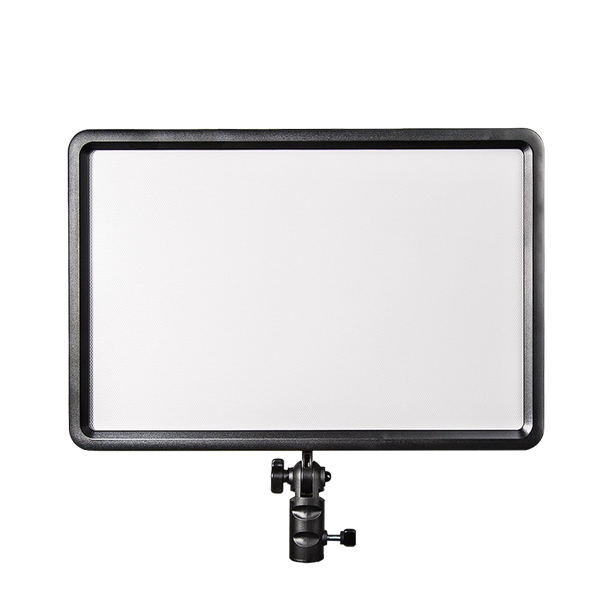
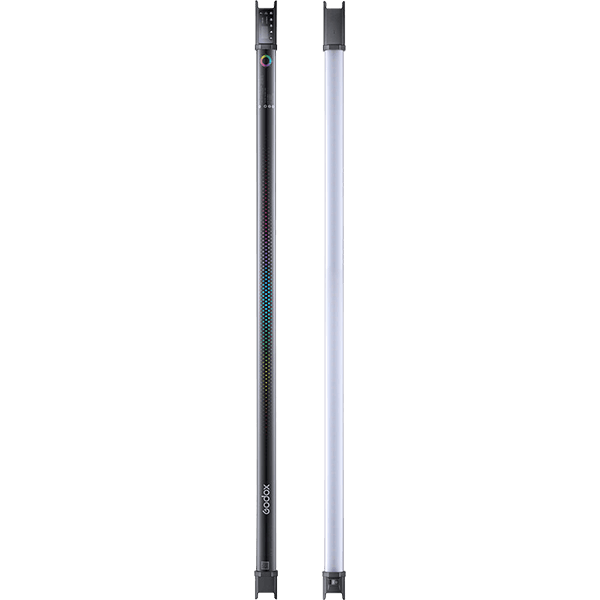
For video, you need continuous lighting, because a flash won’t help with moving images. An LED light with a diffuser or a small softbox provides light that flatters the face. Bicolor lights can be adjusted between warm artificial light and cool daylight, allowing them to adapt to the existing light in the room and avoid mixed lighting and color casts. If you want to play it safe, look for a high CRI value to ensure skin tones remain natural.
To start with, one light as the main light—positioned to the side and slightly from above—is sufficient, along with a reflector on the opposite side to brighten the shadows. Only then is a second light worthwhile to separate the subject from the background.
Rig: Cages, Grips, and Arms
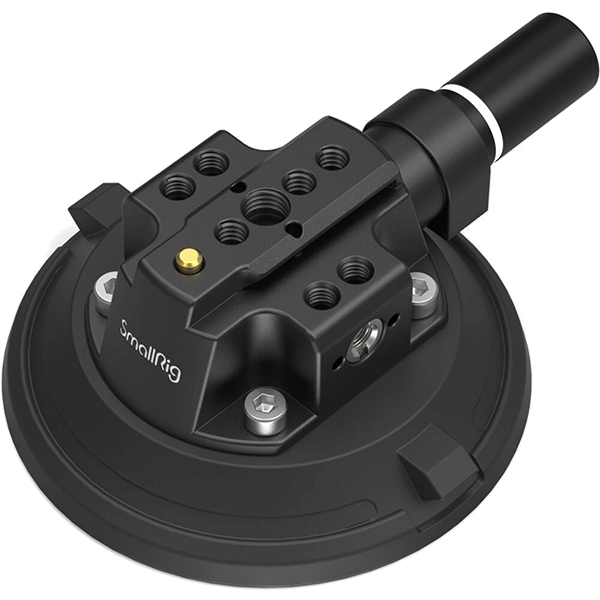
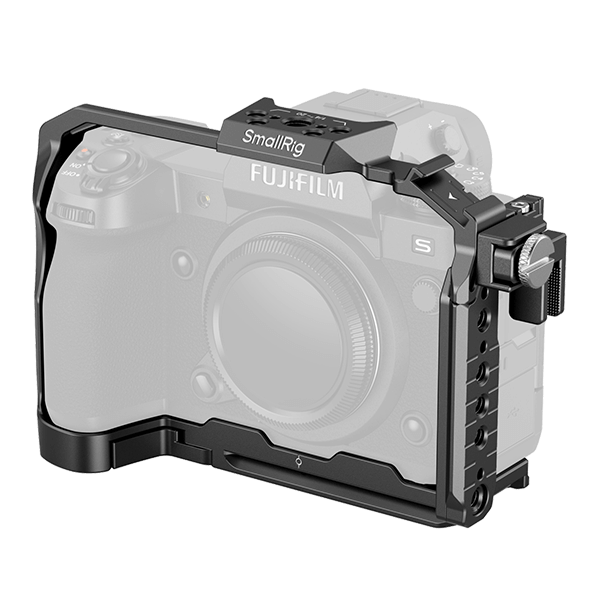
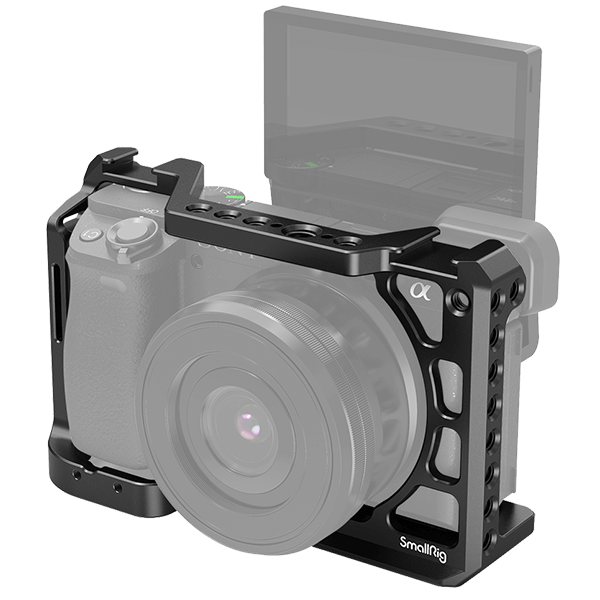
A cage is an aluminum frame built to fit your specific camera model exactly. It protects the body and, most importantly, provides mounting points: threaded mounts in all directions, cold shoes for microphones and monitors, and cable clamps that prevent the HDMI connector from being pulled out. As soon as you’re carrying more than just the camera, a cage goes from being an accessory to being an essential piece of equipment.
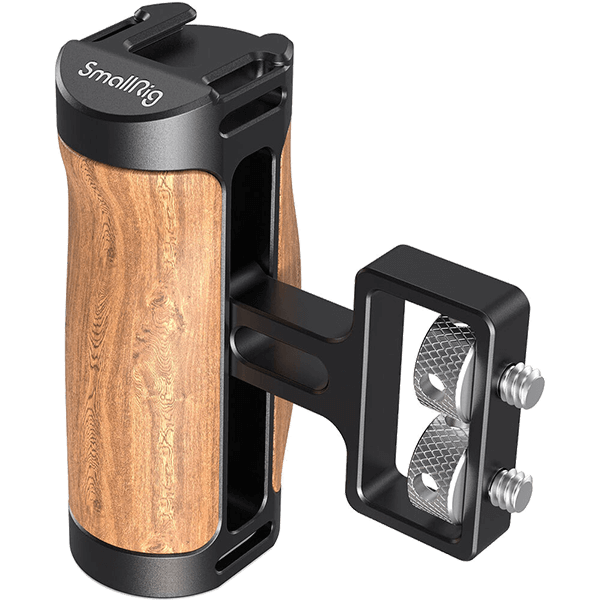
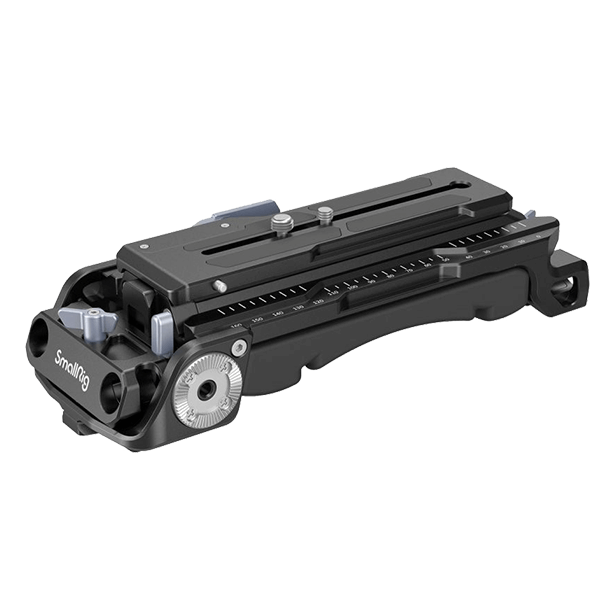
A top handle allows you to shoot from low or high angles without having to contort yourself, and makes it easier to carry the camera between takes. Magic Arms with ball joints hold a monitor, microphone receiver, or a small light exactly where you need them. When putting your setup together, it’s worth checking the thread sizes: 1/4 inch is the standard for small accessories, 3/8 inch is found on tripods and heavier components, and adapters for the sizes in between are inexpensive.
Shooting Steady
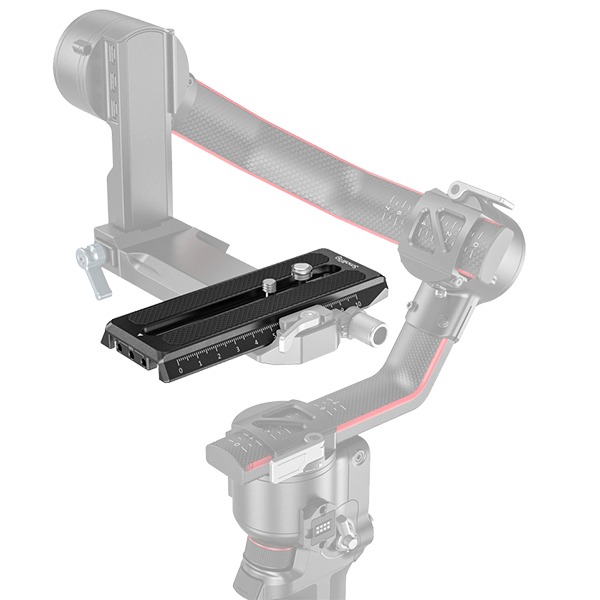
Smooth footage is achieved either with a tripod equipped with a video head that allows for smooth pans, or by hand-holding the camera in a way that distributes the weight effectively. A video head differs from a photo ball head in its dampened movement; pans are smooth rather than jerky. For movement within a room, a gimbal stabilizes the camera, but it requires precise balancing and some practice.