
Softboxes for the Studio and on the Go
The softbox is the all-arounder among light modifiers: It transforms a hard point source into a large, even surface without allowing the light to scatter uncontrollably into the room. Here you’ll find octaboxes, rectangular softboxes, and strip lights in various sizes, as well as grids, diffusers, and adapters.
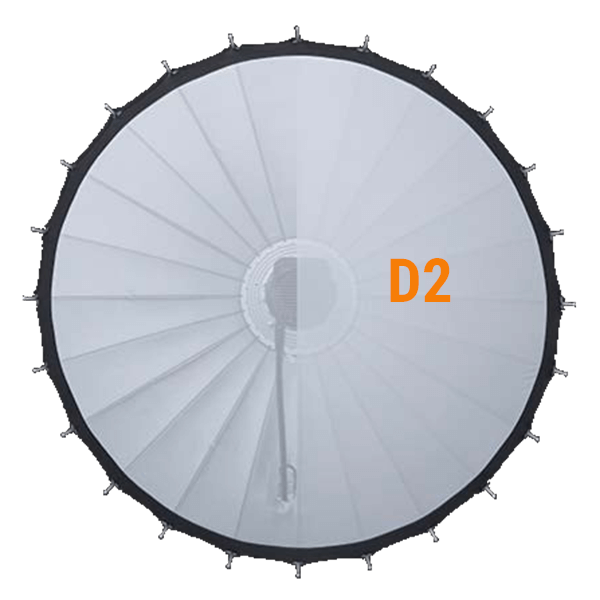
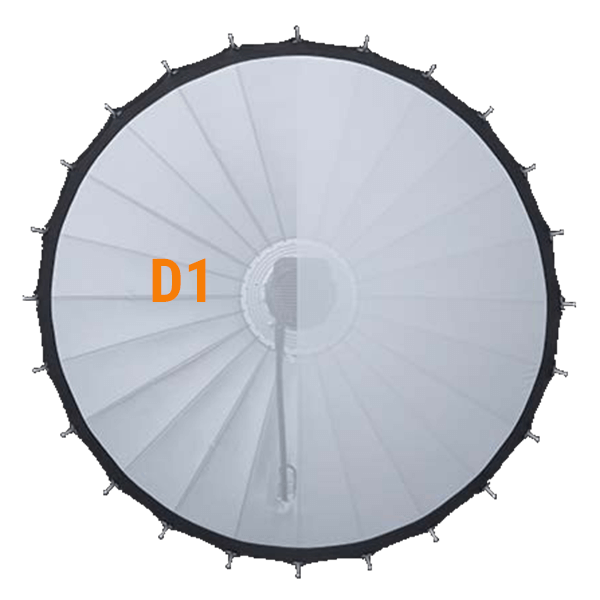
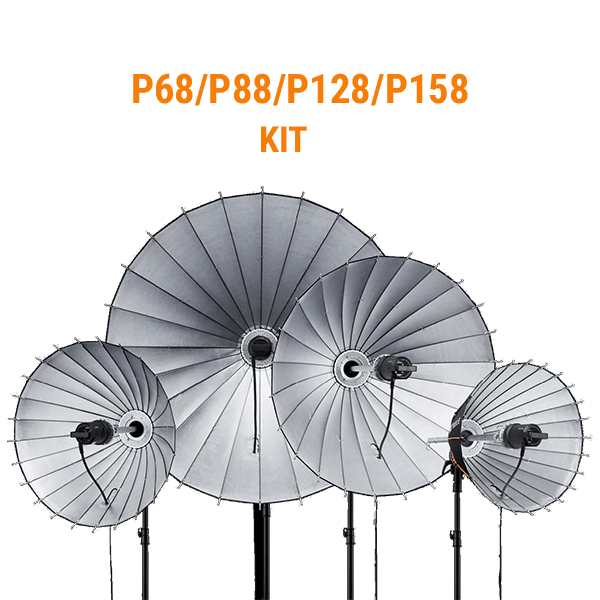
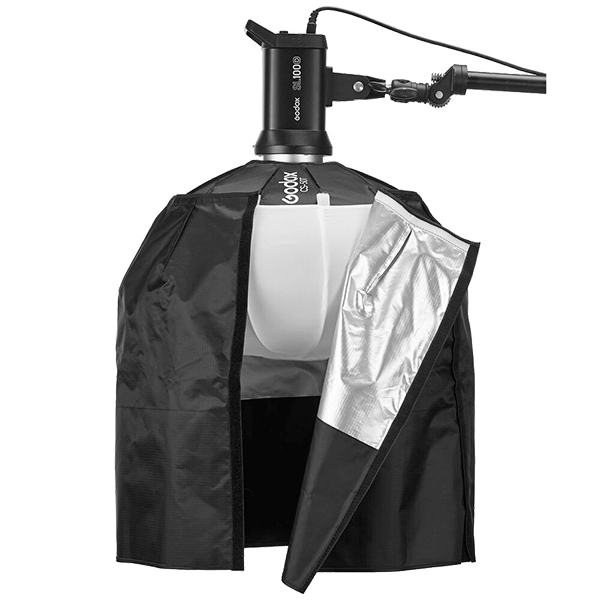
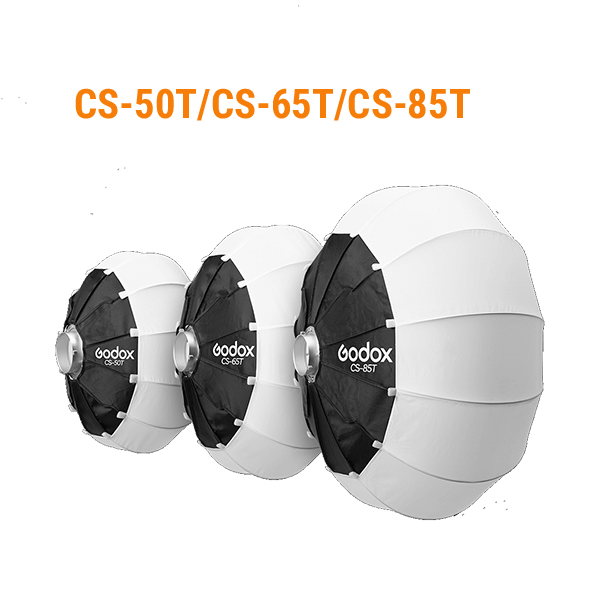
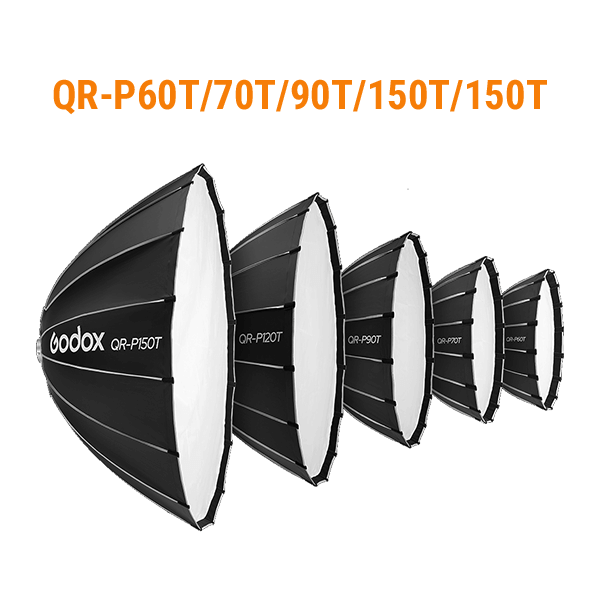
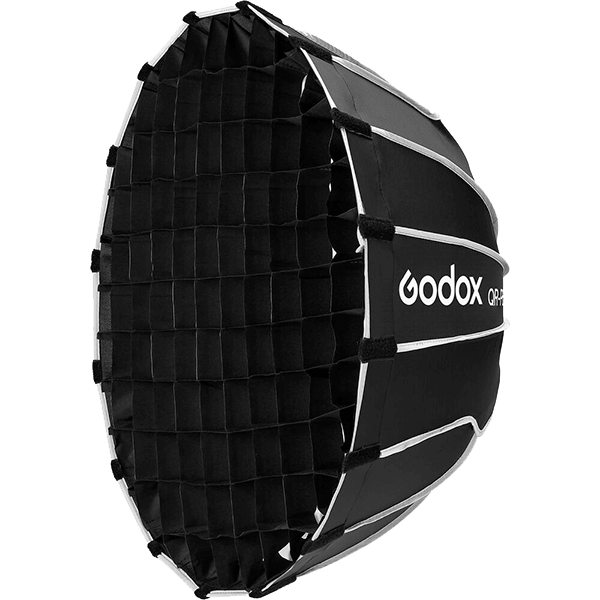
Which softbox is right for your setup?
Three questions will help you choose the right softbox: shape, size, and mount.
Octabox, Rectangular, or Striplight
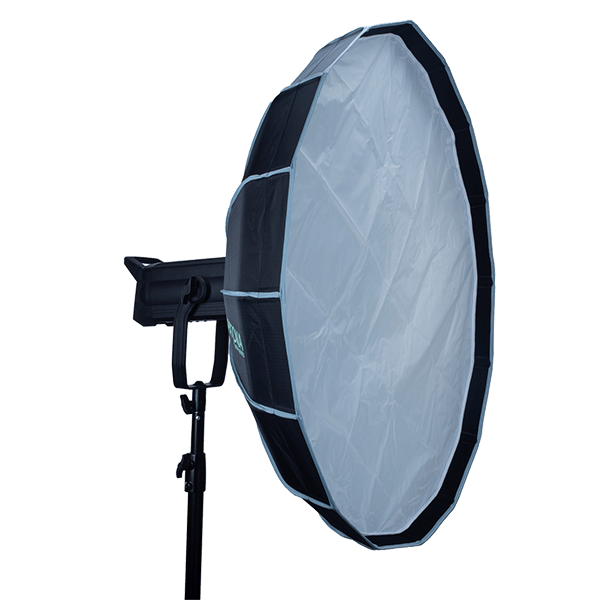
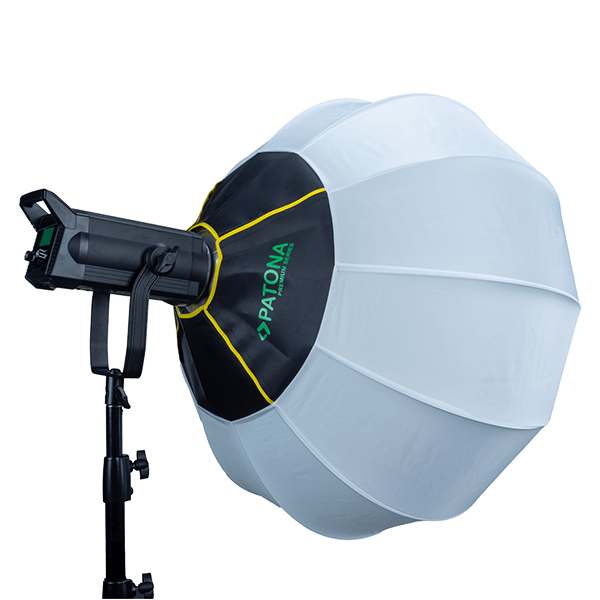
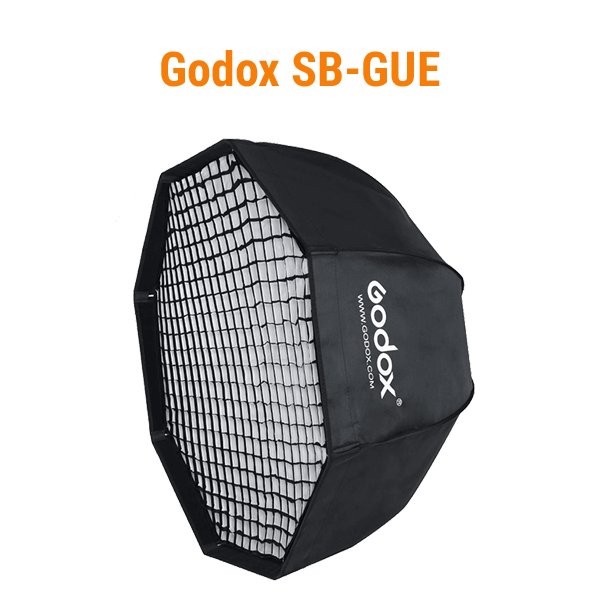
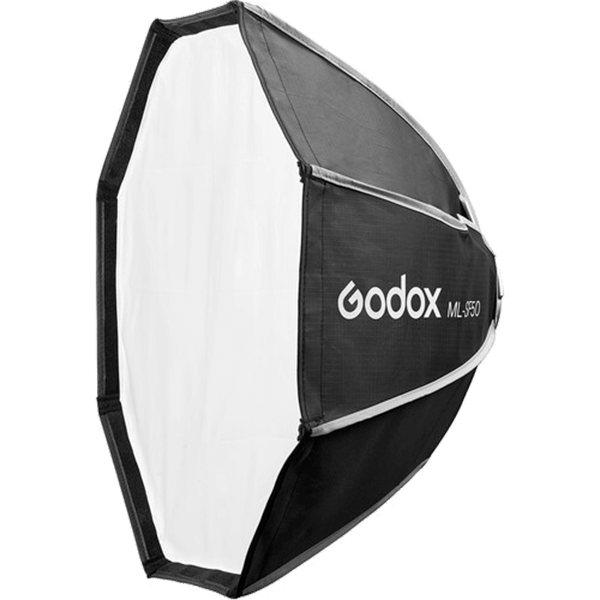
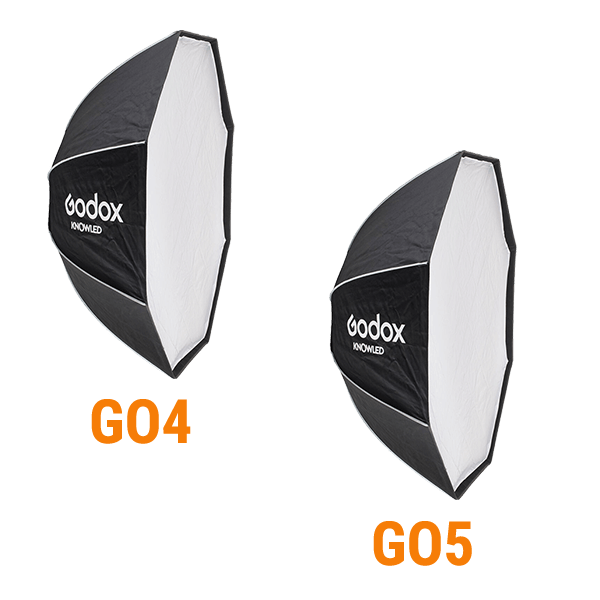
The Octabox is octagonal and most closely resembles the round shape of a natural light source. This creates a natural-looking catchlight in the eye, and the light falls off evenly. It’s the most reliable starting point for portraits.
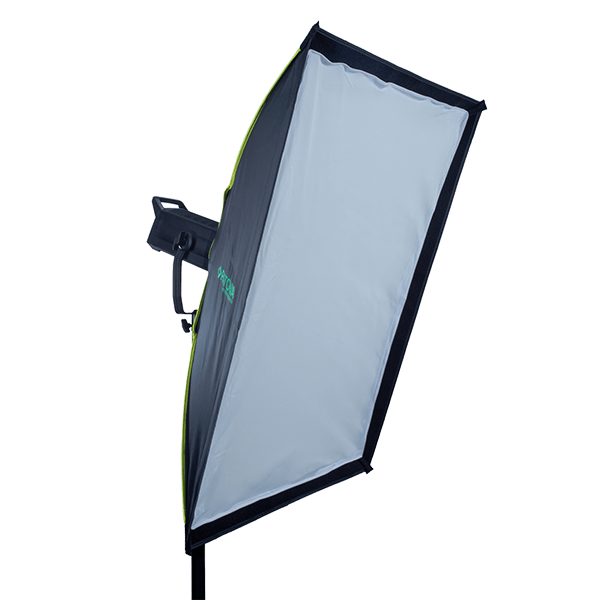
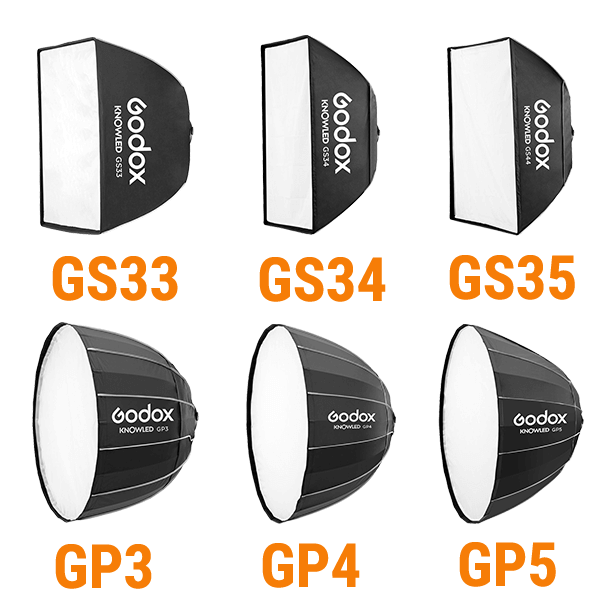
The rectangular softbox produces an elongated catchlight and, when positioned to the side, resembles light coming through a window. For product photography, the straight edge is an advantage because it reflects cleanly off shiny surfaces.
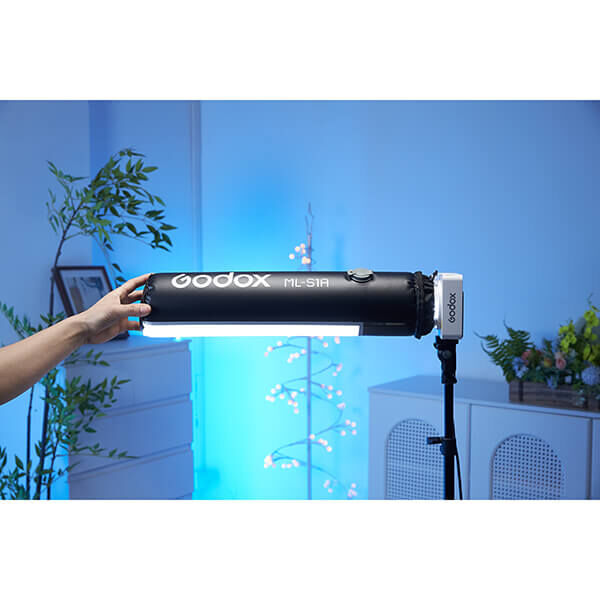
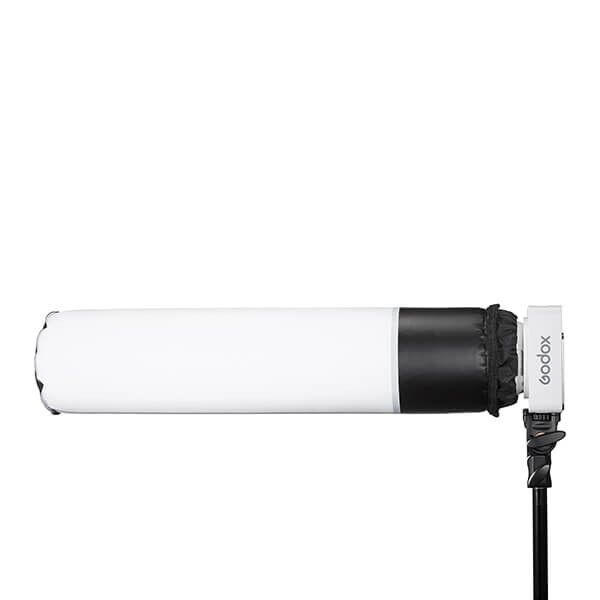
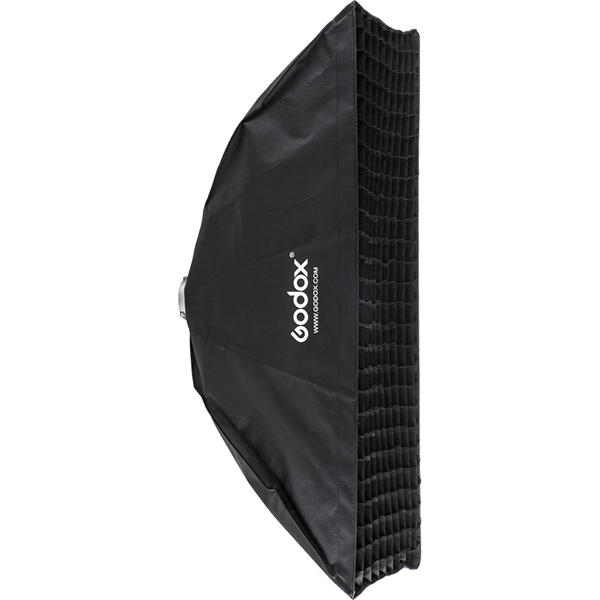
The strip light is narrow and long. It traces contours and is usually used from behind or from the side as edge lighting to separate a person from the background. It is rarely the right choice as the sole light source.
Size: closer means softer
The key factors are the size relative to the subject and the distance. For portraits up to chest shots, an octabox starting at about 90 cm is a safe bet. For full-body shots, it can be larger; otherwise, the light will be uneven from head to toe. More important than any specific number, however, is the distance: the same box produces softer light the closer it is. If your light looks too harsh, move it closer first before buying a larger one.
Grid: Control
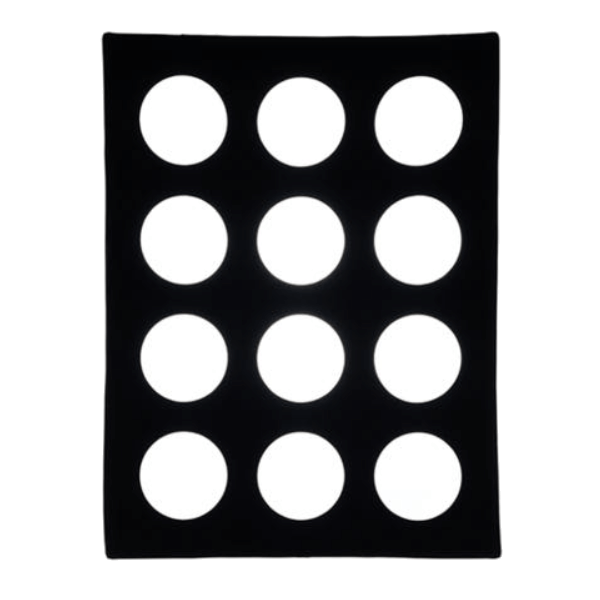
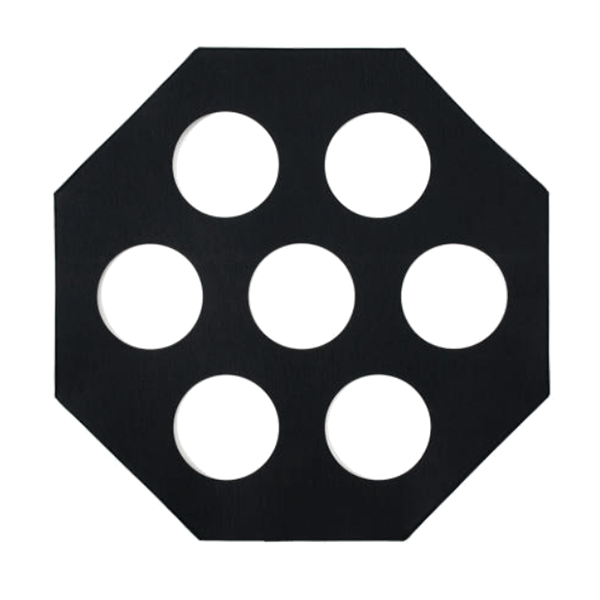
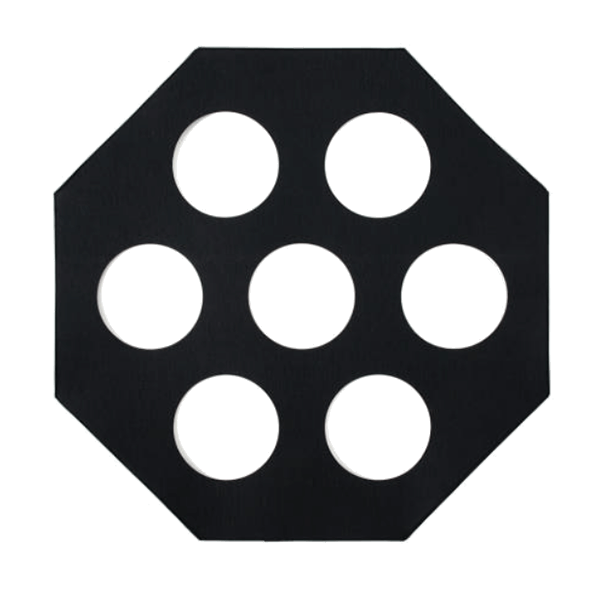
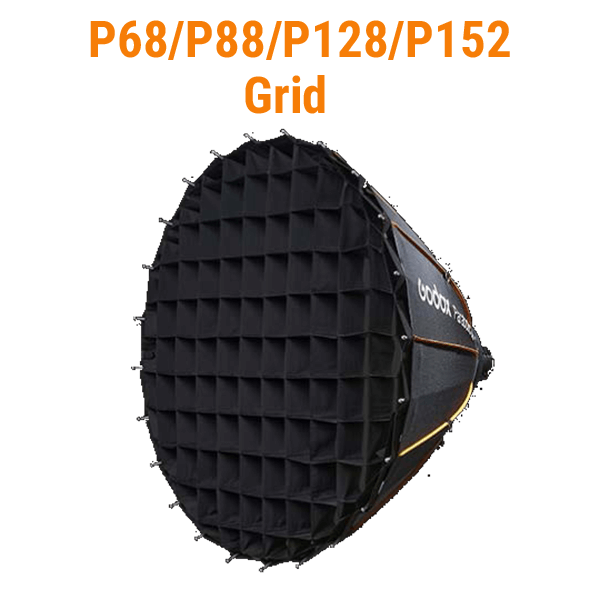
A grid or honeycomb in front of the box concentrates the light and prevents it from falling on the background. Without a grid, you’ll inevitably light up half the room; with a grid, only your subject is illuminated. In small rooms with light-colored walls, this is the difference between a controlled image and diffuse light coming from everywhere. As soon as you want the background to remain dark, you’ll need one.
Connection and Setup
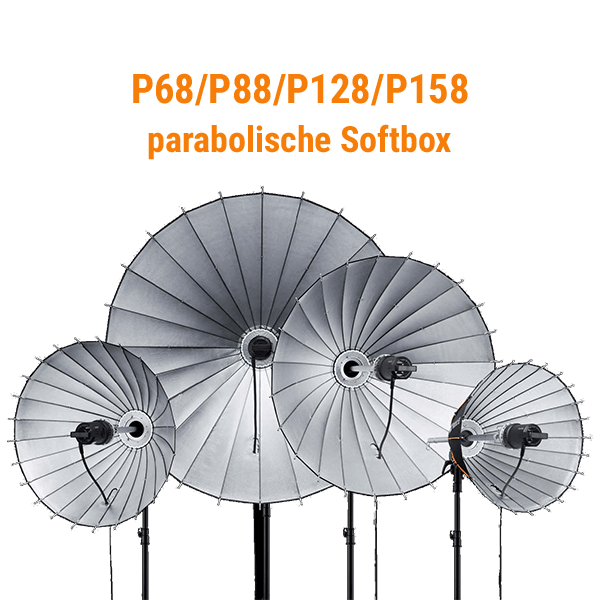
The most common standard is the Bowens bayonet mount, which is featured on most studio flashes and the AD series starting with the AD300. Adapter rings are available for other mounts. There are two types of setups: classic softboxes are stretched over rods, which takes time but makes them more affordable. Umbrella-style systems like the SMDV Flip open in seconds, just like an umbrella. If you set up and take down the softbox daily or work on location a lot, you’ll quickly recoup the extra cost. For clip-on flashes, see Softbox System Flash.