
System Flash with TTL
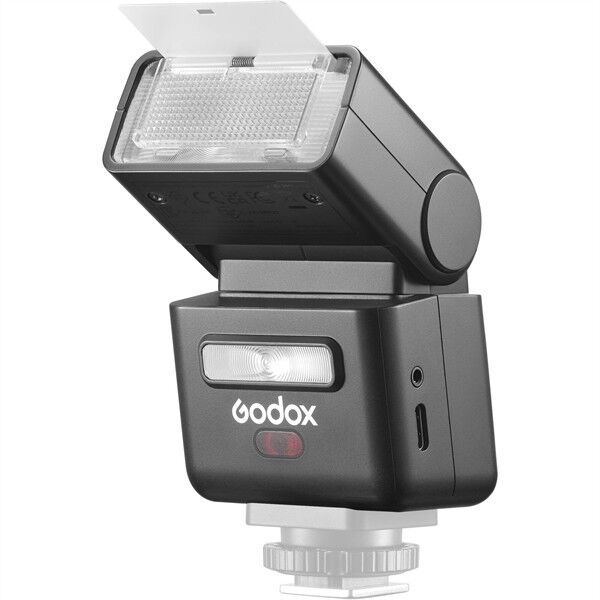
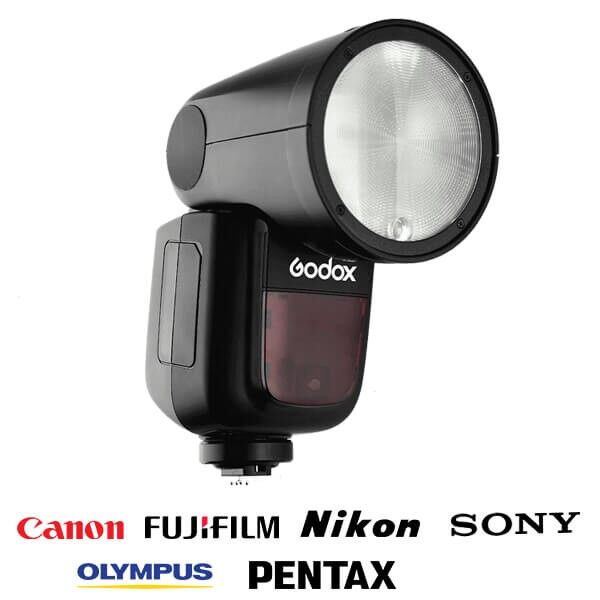
A TTL flash measures the light through the lens and adjusts its output automatically. It’s perfect when you need to work quickly and the situation is constantly changing. Here you’ll find TTL and HSS hot-shoe flashes from Godox, including the V-Series with a round flash head, available in versions compatible with Canon, Nikon, Sony, Fujifilm, and other systems.
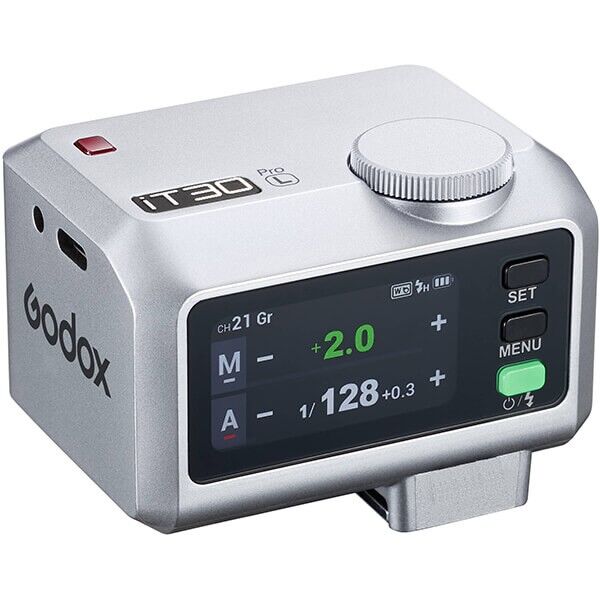
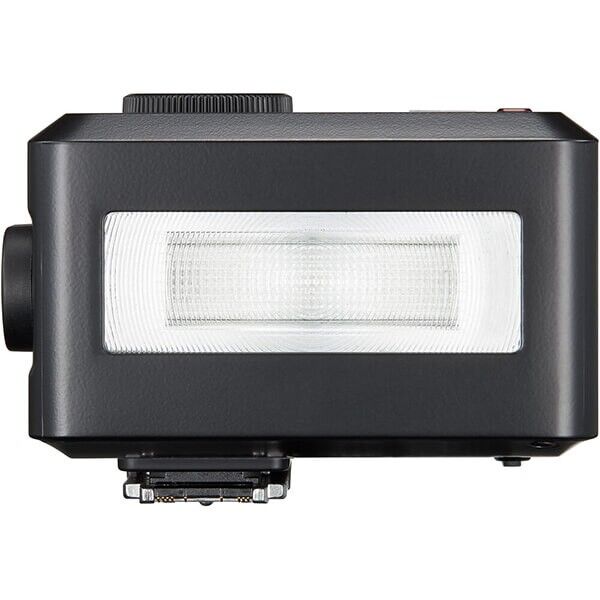
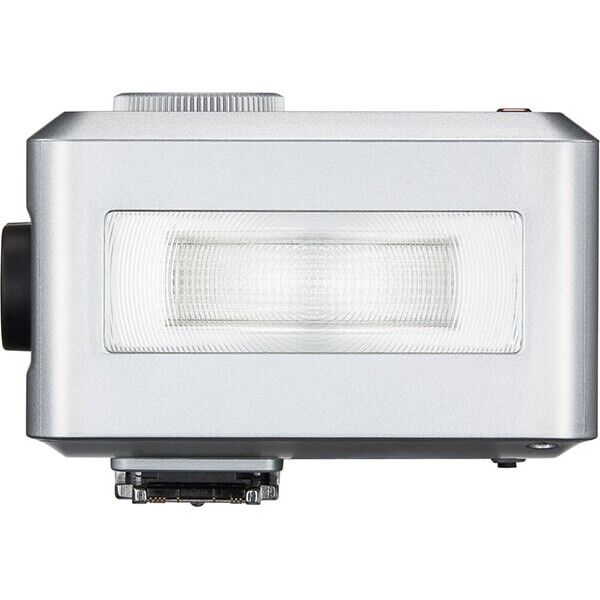
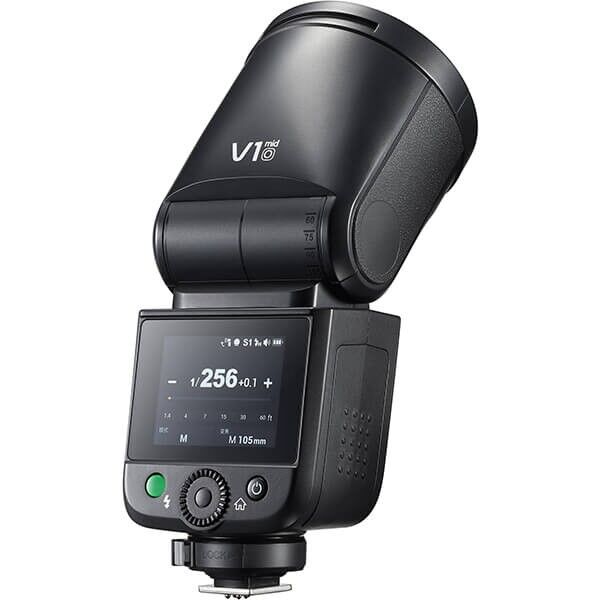
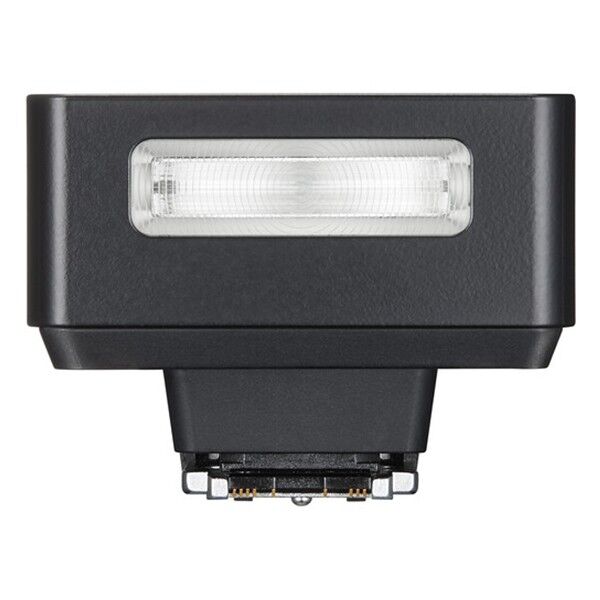
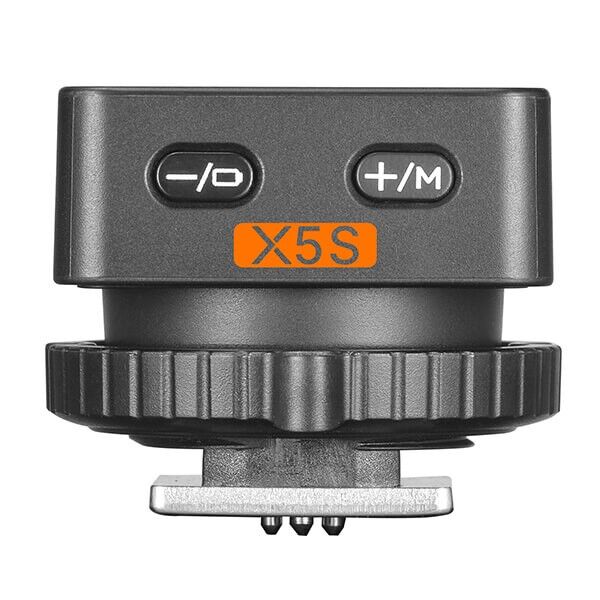
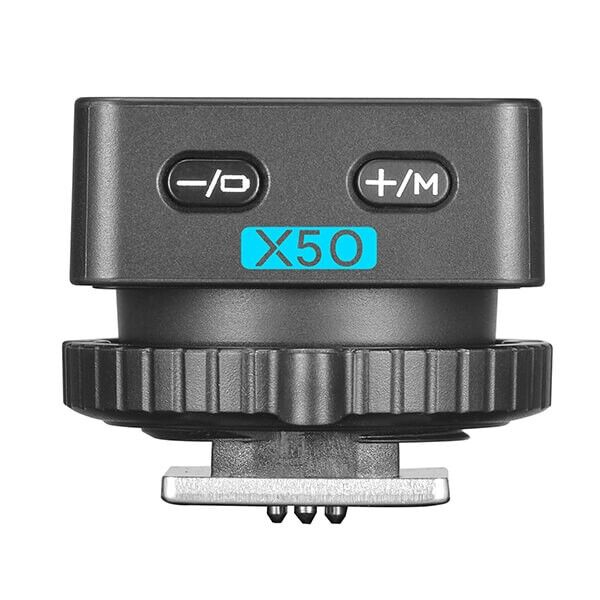
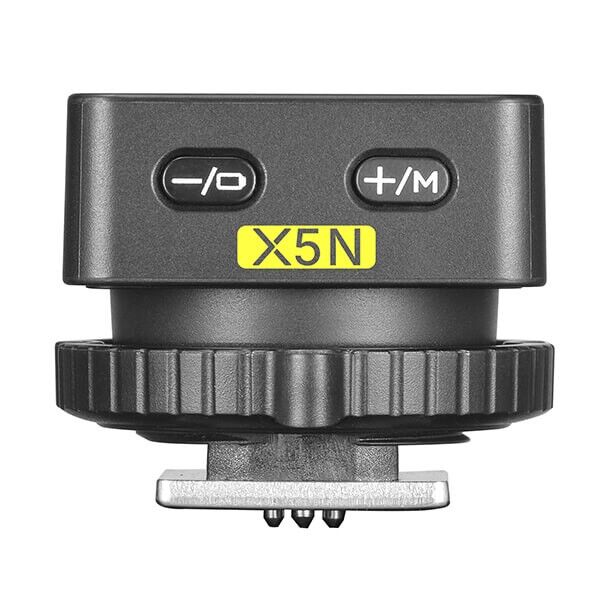
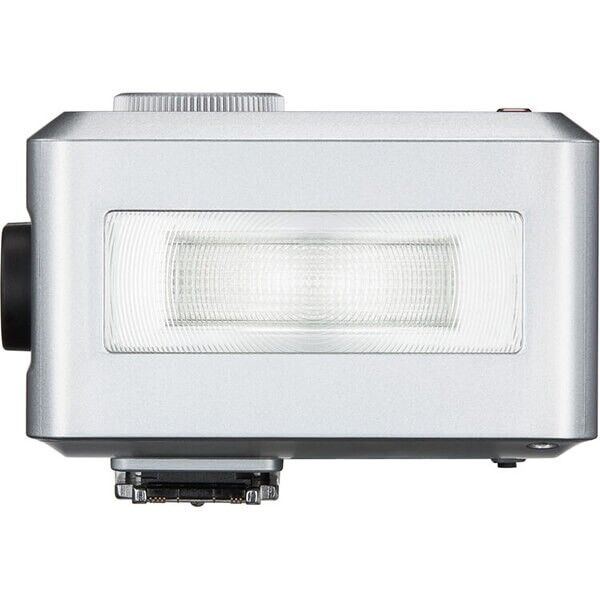
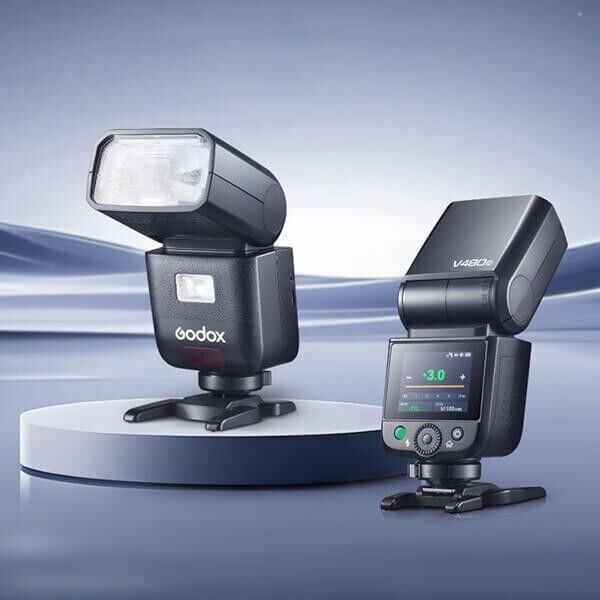
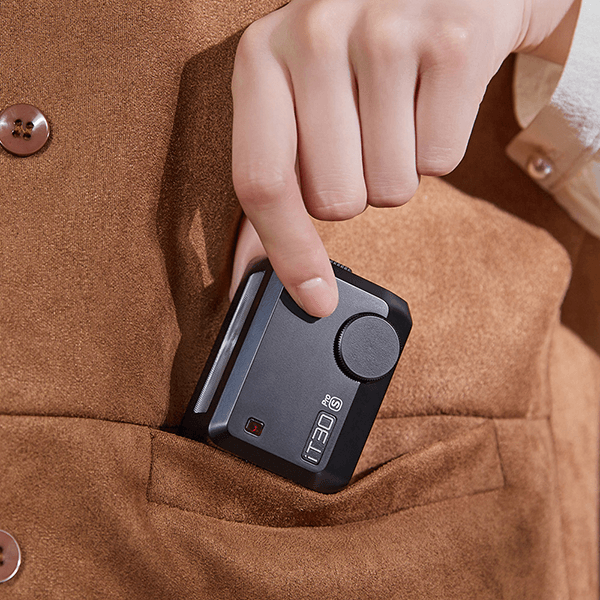
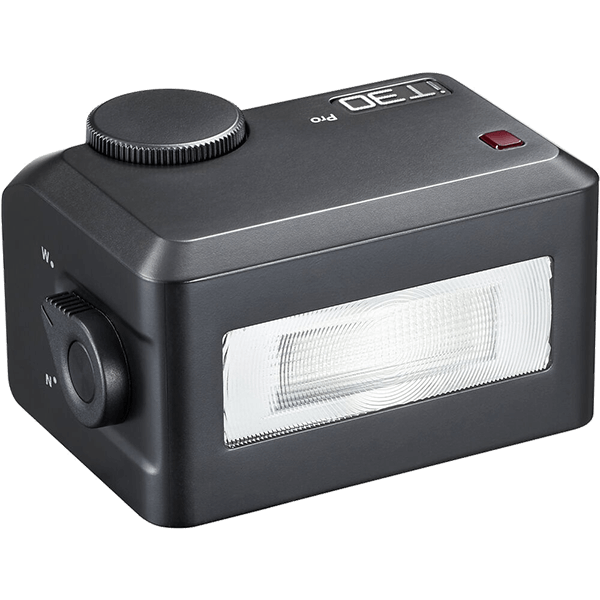
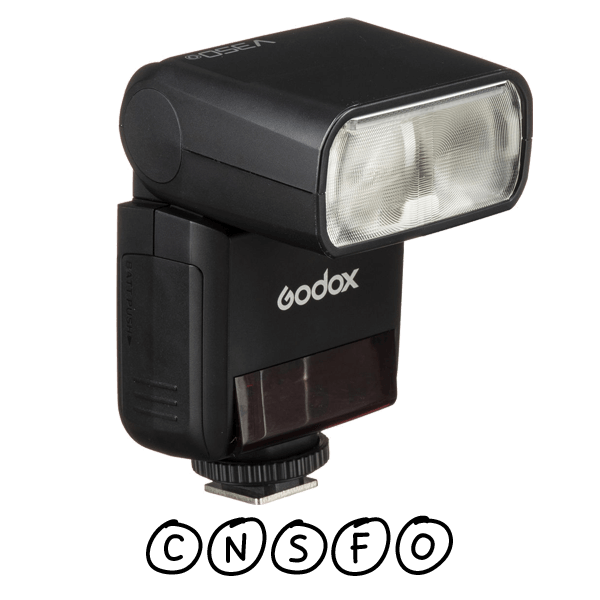
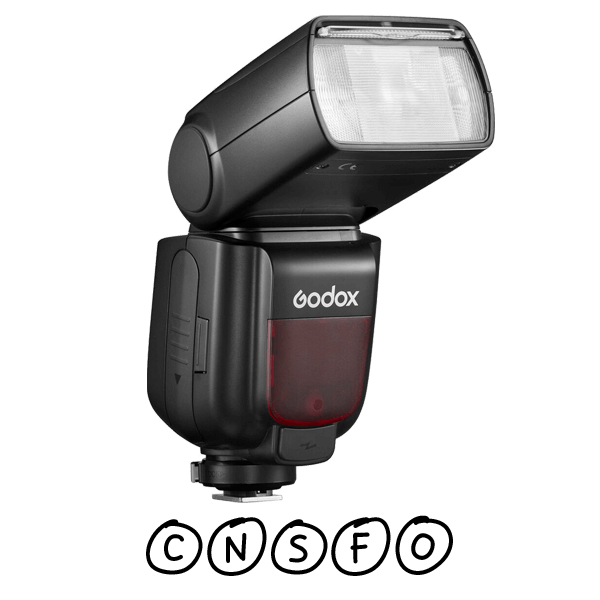
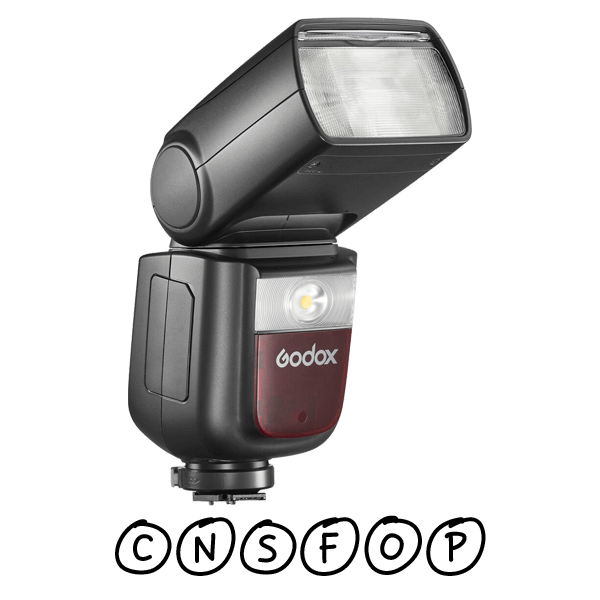
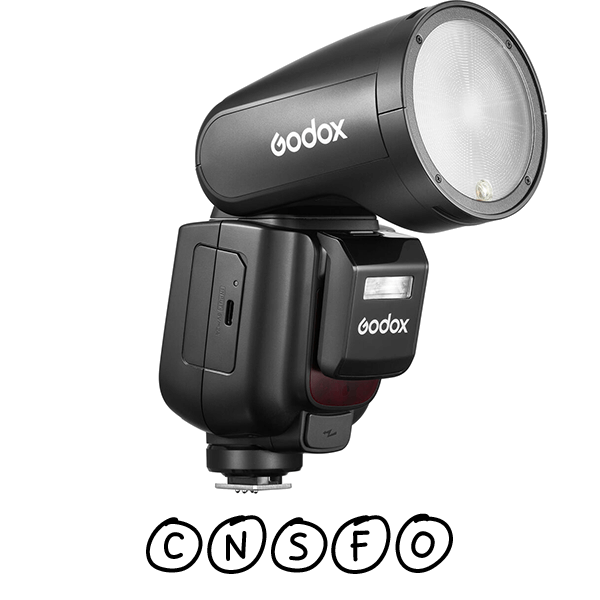
Choosing the Right TTL Flash
When it comes to TTL flashes, three factors are key: the system variant, the power source, and the shape of the flash head.
The Right Variant for Your Camera
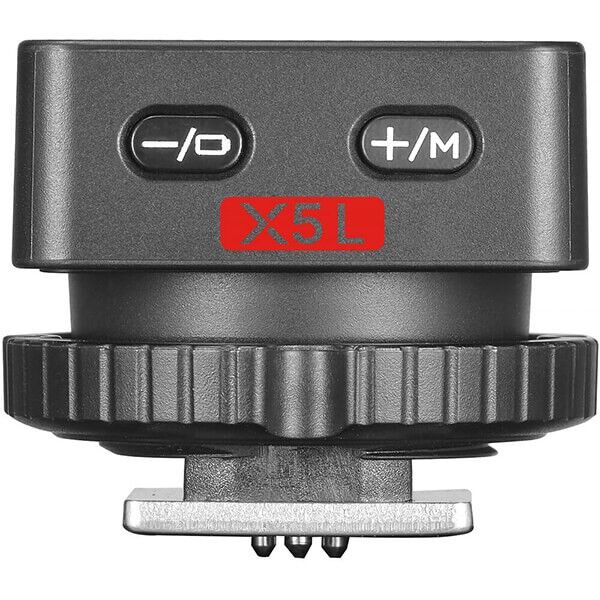
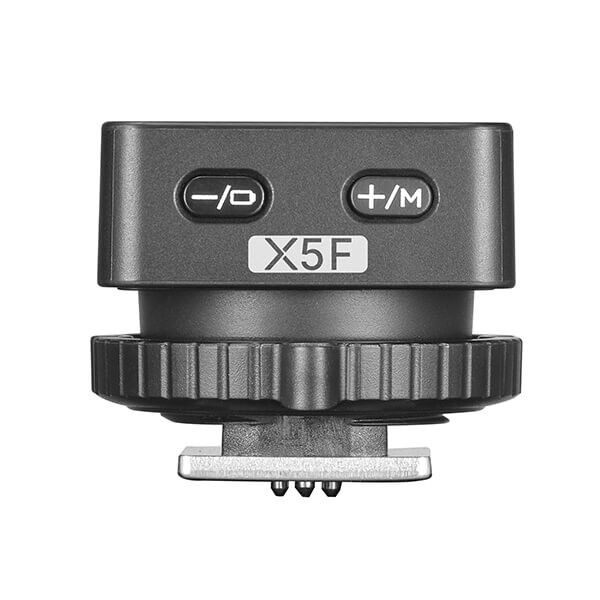
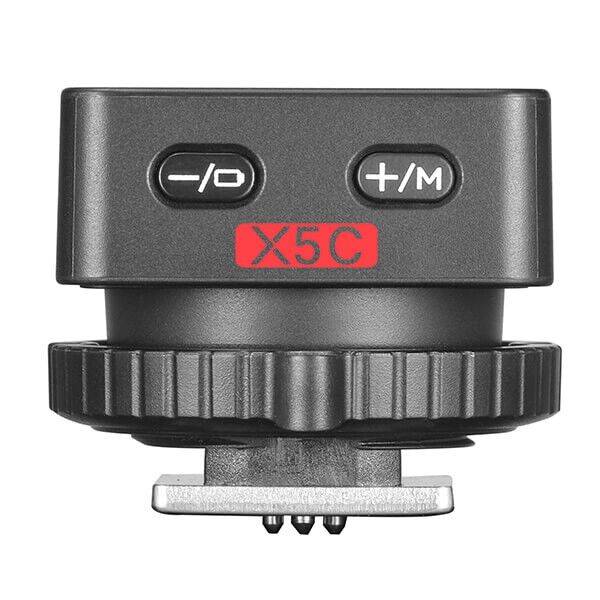
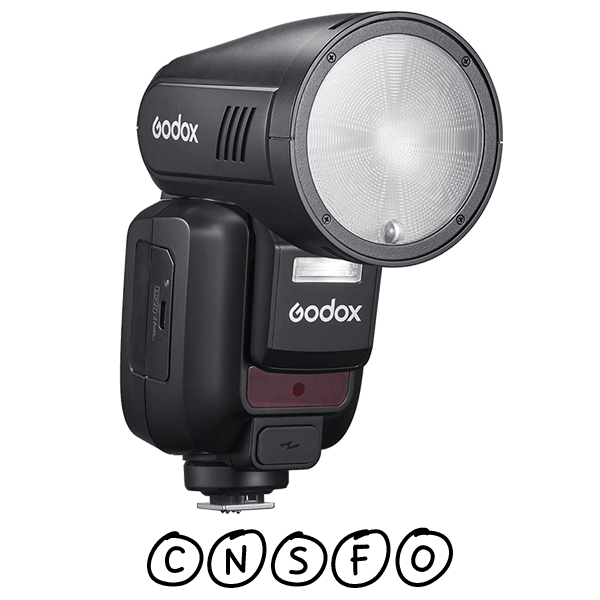
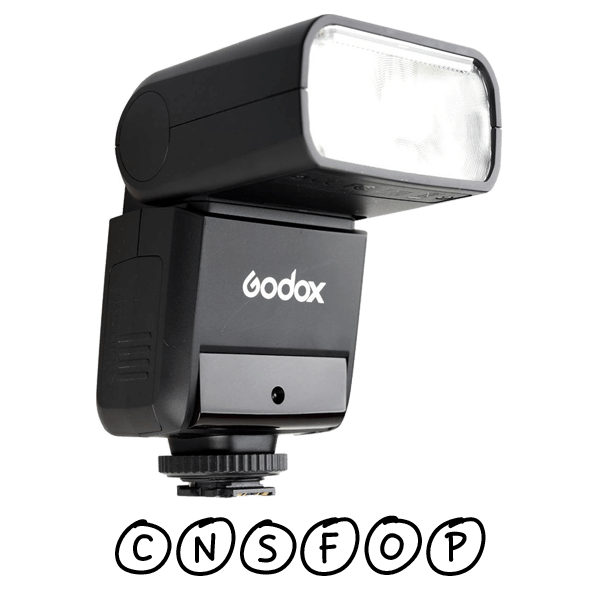
TTL only works with the correct contacts. That’s why flashes come in different system variants, identified by the letter in their name: C for Canon, N for Nikon, S for Sony, F for Fujifilm, O for Olympus, and Panasonic. While a Sony-compatible flash may physically fit onto a Canon camera, it will lose TTL and HSS functionality when used that way. So be sure to check the compatibility label carefully when buying—this is the most common mistake in this category.
Rechargeable Battery Instead of Disposable Batteries
Older clip-on flashes run on four AA batteries and require several seconds between flashes. Modern models use a lithium-ion rechargeable battery, which means they’re ready to fire again faster and deliver many more flashes per charge. When shooting in burst mode or at events, this is the most noticeable difference in everyday use.
Round or square flash head
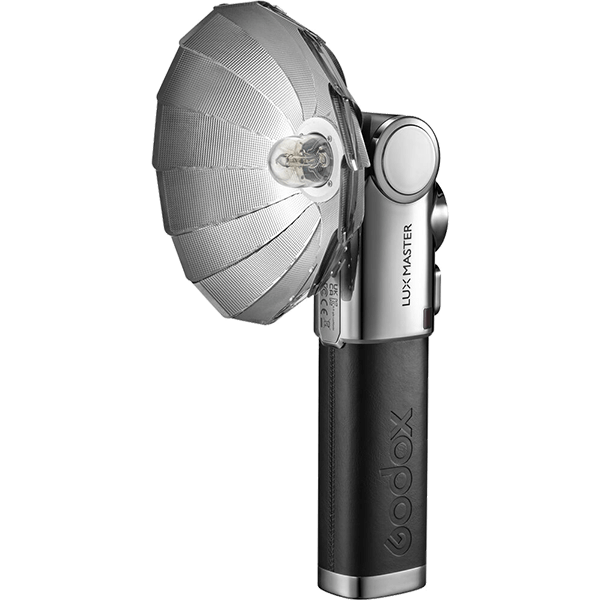
A round head creates a softer transition at the edge of the light cone and a round reflection in the eye, which looks more natural in portraits. Square heads are more compact and go well with classic clip-on accessories. More important in practical terms than the shape is the ability to rotate and tilt the head: If you bounce the flash off the ceiling, you get soft light instead of harsh shadows, and this works with both designs.
TTL but still manual
Every TTL flash can also be operated manually. The usual approach is to start with TTL, evaluate the result, and then fine-tune it using flash exposure compensation. As long as the situation remains the same, it’s worth switching to manual mode—that way, the light stays consistent throughout the entire series. For off-camera shooting, you’ll also need a flash trigger.