
Replacement Battery for Your Camera
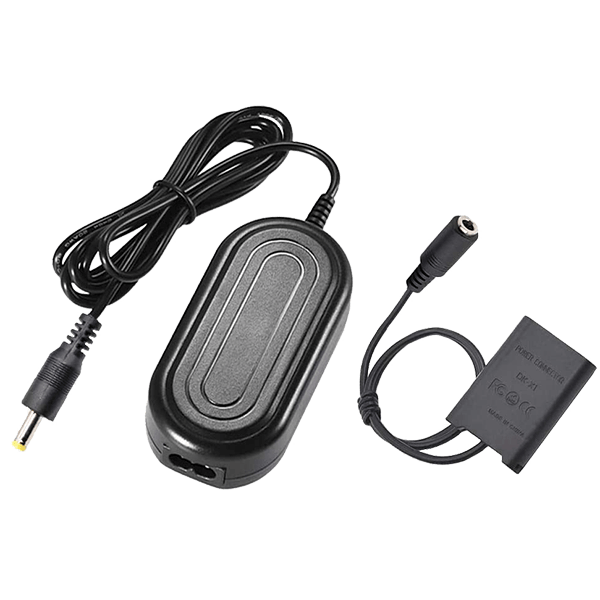
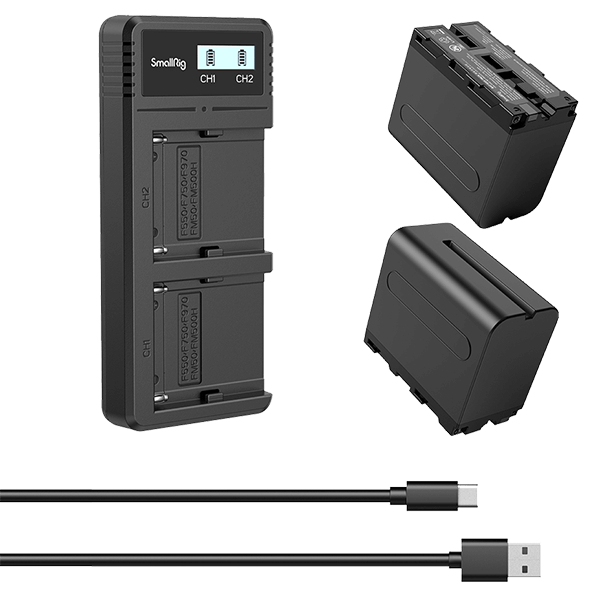
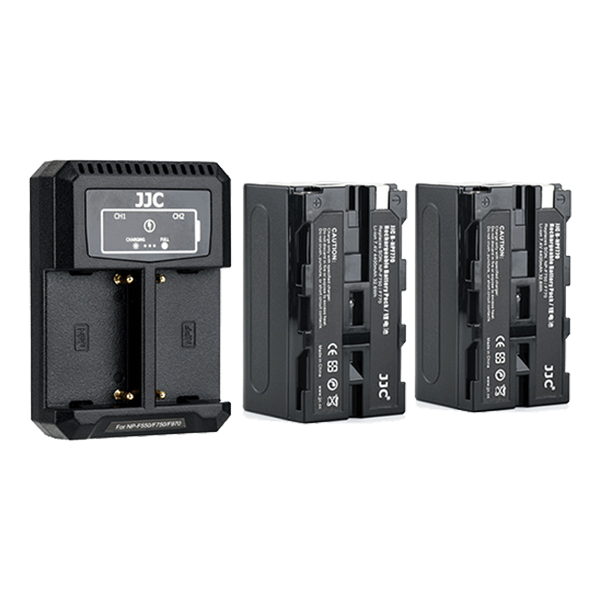
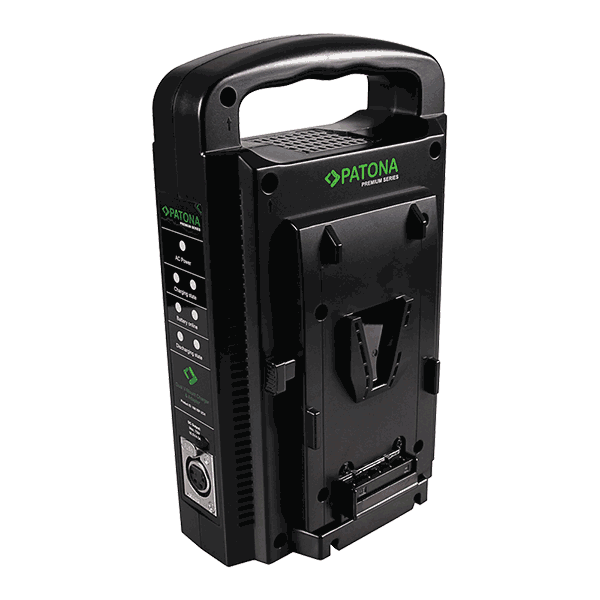
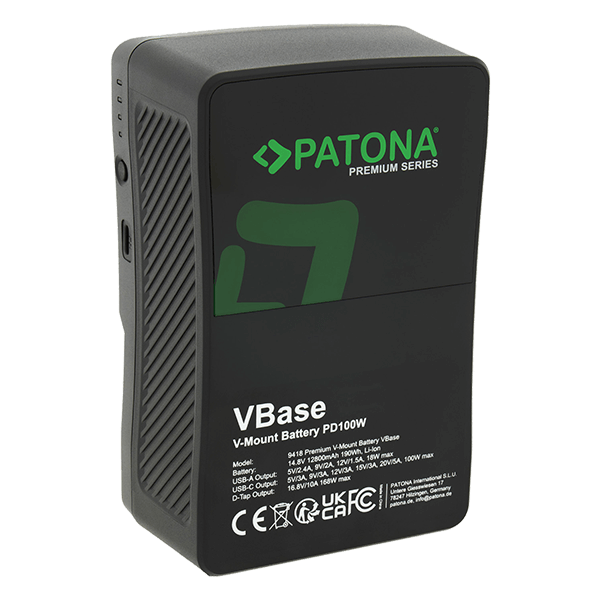
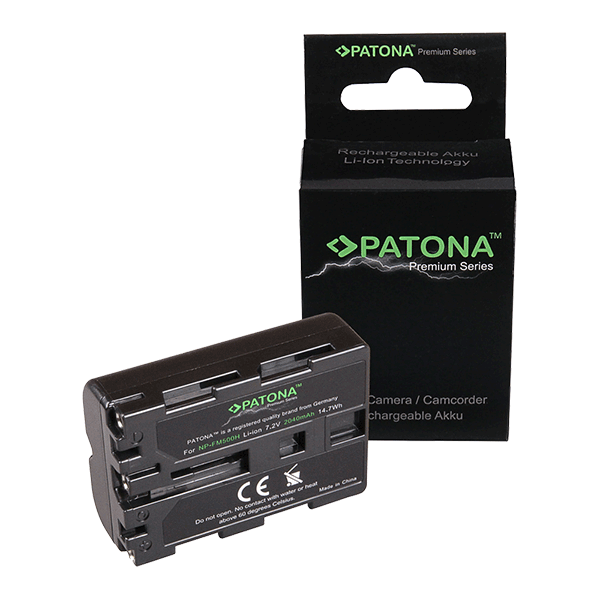
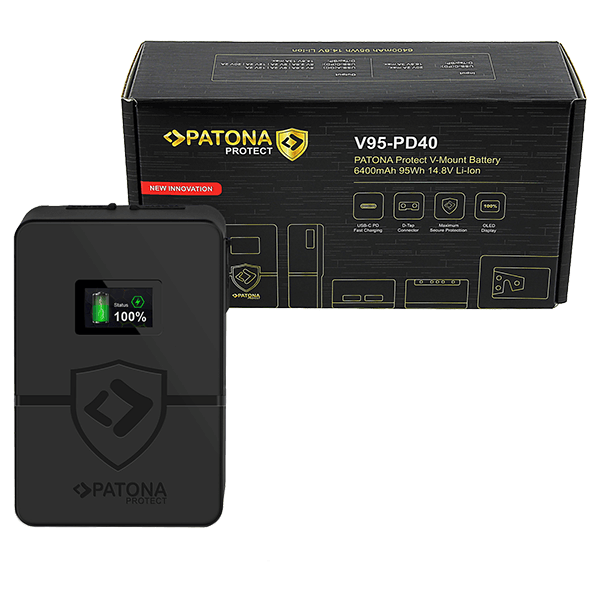
A dead battery is the most common reason why a day of photography ends earlier than planned. Here you’ll find replacement batteries for Canon, Nikon, Sony, Fujifilm, and other systems—either original or Patona alternatives—as well as V-mount batteries for video and the corresponding chargers.

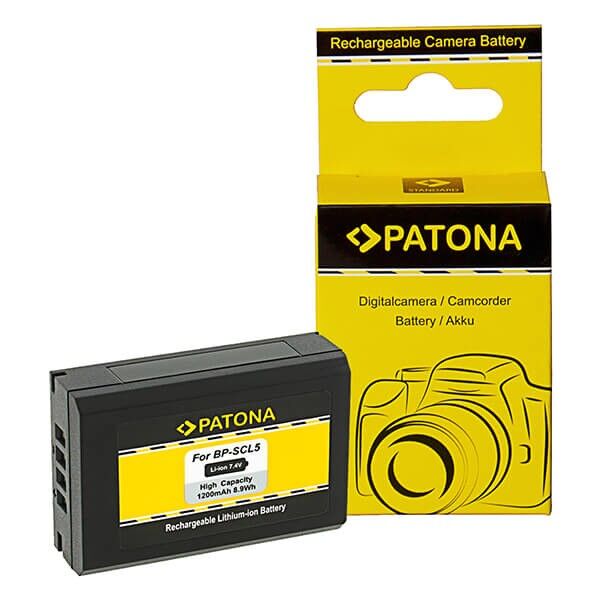
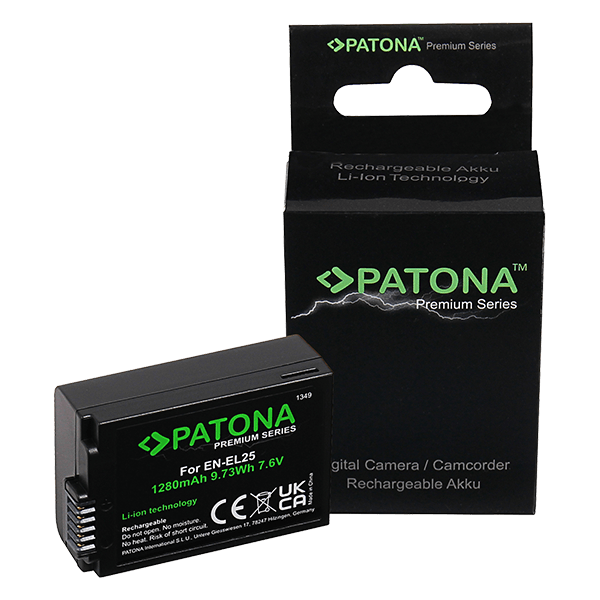
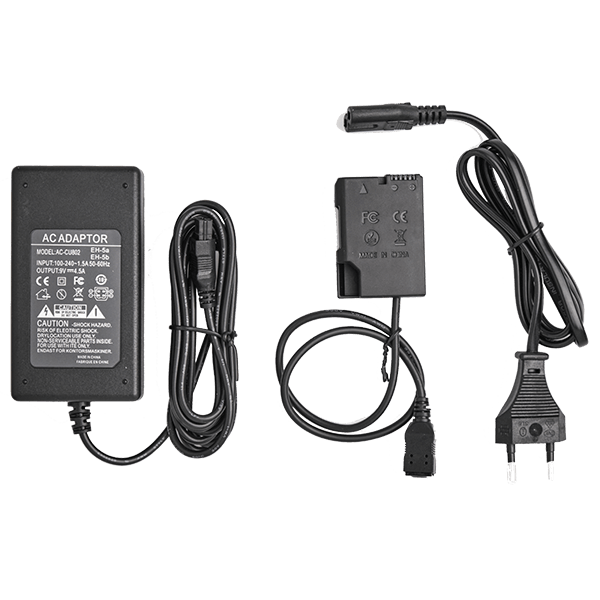
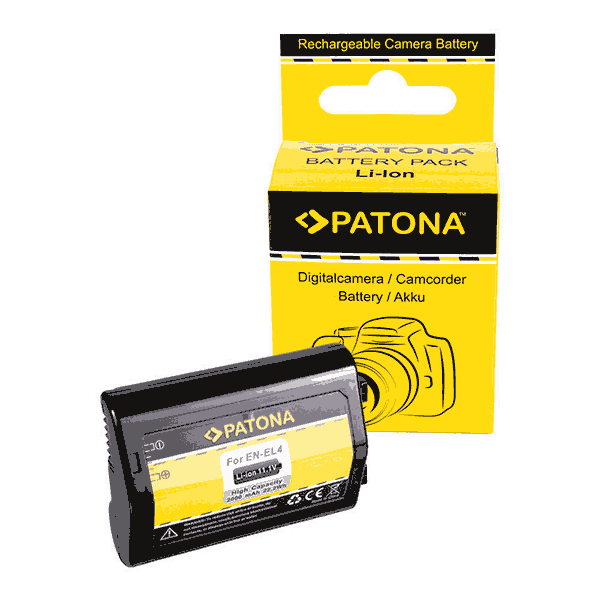

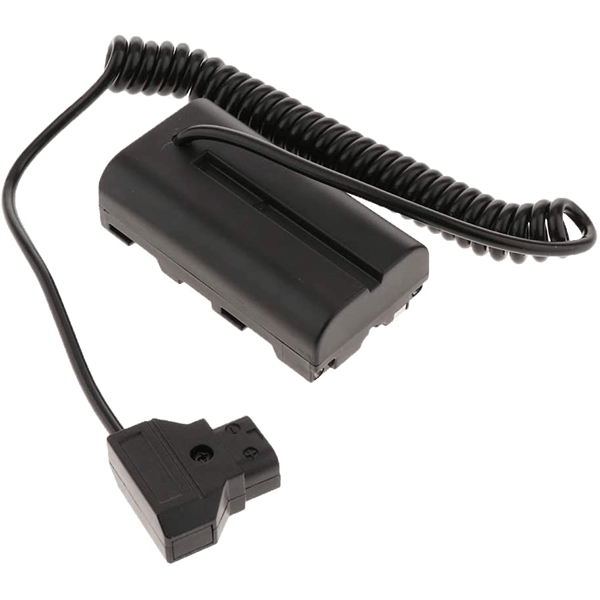
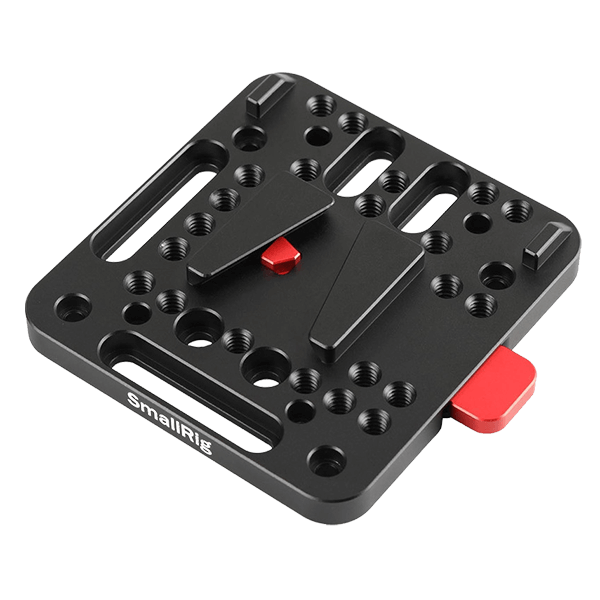
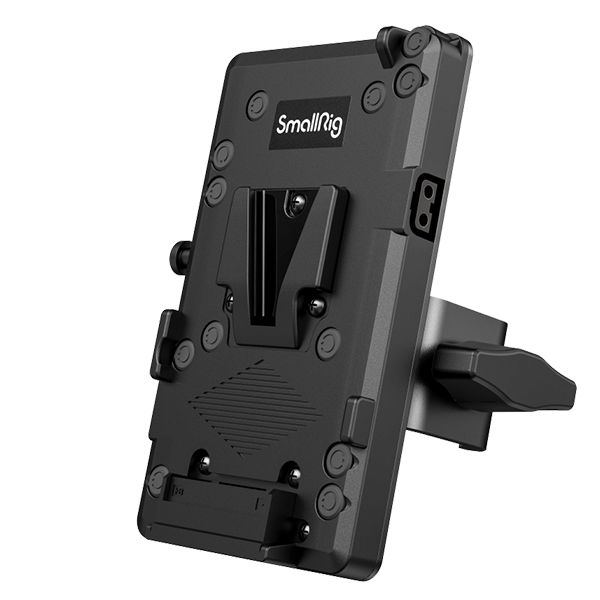
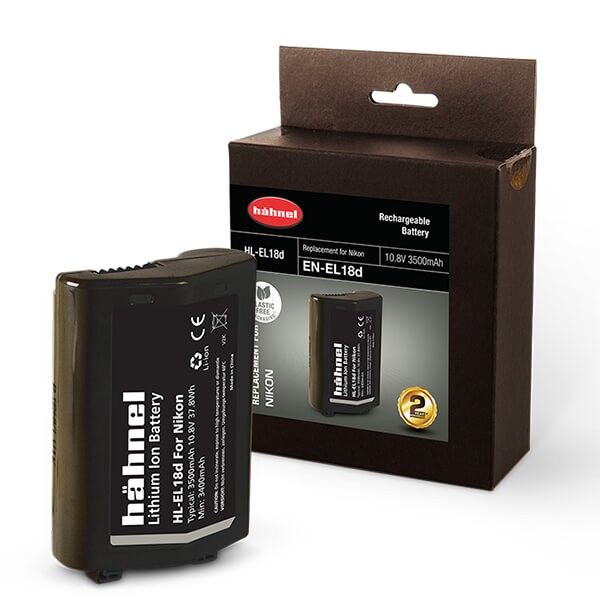
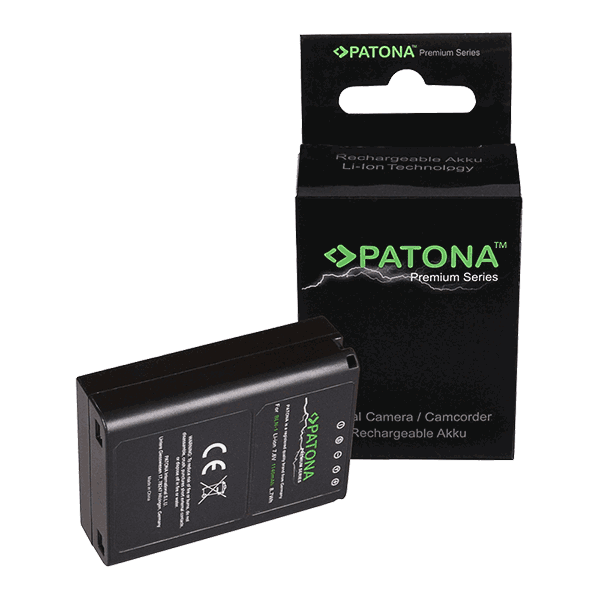
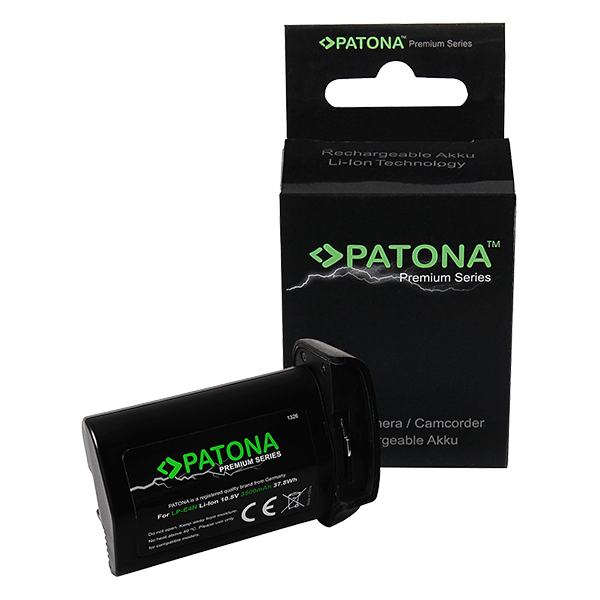
Finding the Right Battery
Batteries are camera-specific. The exact model number printed on your existing battery is what matters—not the camera model. The same camera may come with different batteries depending on the year it was manufactured.
Pay Attention to the Suffix
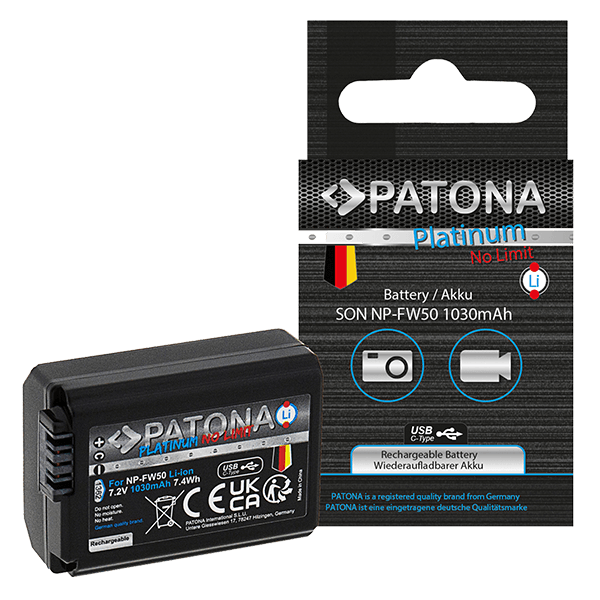
The differences lie in the last letter and are anything but cosmetic. With Canon, the LP-E6, LP-E6N, LP-E6NH, and LP-E6P all fit mechanically into the same housing, but differ in capacity and features. Newer cameras require features that older batteries don’t provide, such as faster charging via USB-C. Conversely, a newer battery will almost always work in an older camera as well. The same pattern applies to Nikon’s EN-EL15, EN-EL15a, EN-EL15b, and EN-EL15c, as well as to Sony’s NP-FW50 and NP-FZ100, which are not interchangeable with one another.
Original or Alternative
Patona batteries power the same cameras and can usually be charged in the original charger. On some cameras, the menu does not display the remaining capacity as a percentage when using third-party batteries, but only shows a rough bar graph. If you use a camera professionally and rely on the display, stick with the original; for the second and third batteries in your bag, the alternative is a sensible choice.
How many batteries?
Mirrorless cameras require more power than SLR models because the viewfinder and display are constantly running. In cold weather, capacity drops noticeably, so in winter it’s better to carry a battery on your person and only use it when needed. For a typical day of photography, a second battery is a must; for weddings, events, and video shoots, a third is usually recommended. For continuous lighting and longer video productions, V-mount batteries can power multiple devices at once.
Storage and Transport
Batteries shouldn’t be left fully charged or fully discharged for extended periods. If you’re putting your camera away for weeks, store the batteries at half charge in a cool place. When traveling by air, lithium batteries must be carried in your carry-on luggage and never placed in checked luggage; the contacts should be taped over or the batteries should be individually wrapped.