
Photo Filters & Camera Filters – ND Filters, Polarizing Filters, and Slip-On Filter Systems from Haida
Photo filters are among the few accessories that have a truly visible effect on the final image. An ND filter enables long exposures in bright daylight, a polarizing filter reduces unwanted reflections and enhances colors, and a graduated filter balances the difference in brightness between the sky and the ground. No image editing program can fully replace these optical effects.
In this category, you’ll find screw-in filters, magnetic photo filters, clip-on filters, filter holders, and matching adapters from Haida, one of the leading brands for high-quality camera filters. The filters feature a color-neutral coating, are durable, and are designed for use in the field.
Whether you’re working with long exposure times in landscape photography, avoiding extra weight as a travel photographer, or need consistent exposure as a videographer—here you’ll find the right filter system for your lens and your application.
Which Filter for What?
Filters aren’t just for experts. Two or three of them cover most of what you’ll need in practice. The following overview will help you figure out which ones to use.
ND Filters: Neutral Density Filters for Long Exposure Times
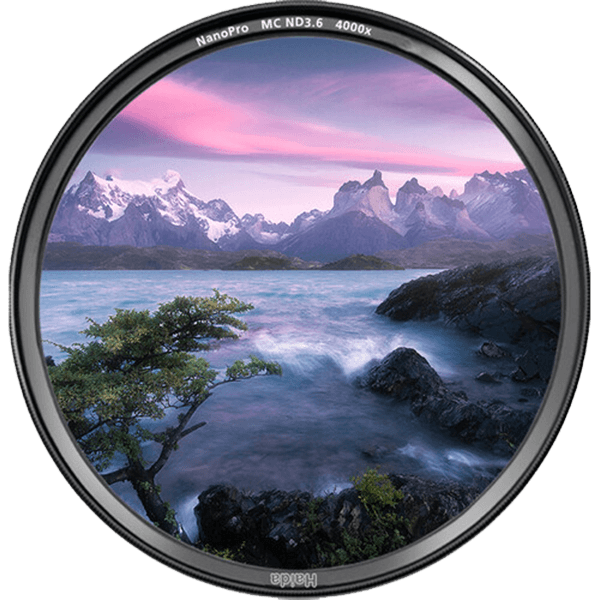
An ND filter is basically a pair of sunglasses for your lens. It reduces light without altering colors, allowing you to use longer exposure times or a wider aperture than ambient light would permit. Waterfalls become soft veils, clouds streak across the sky, and people in a busy square disappear entirely.
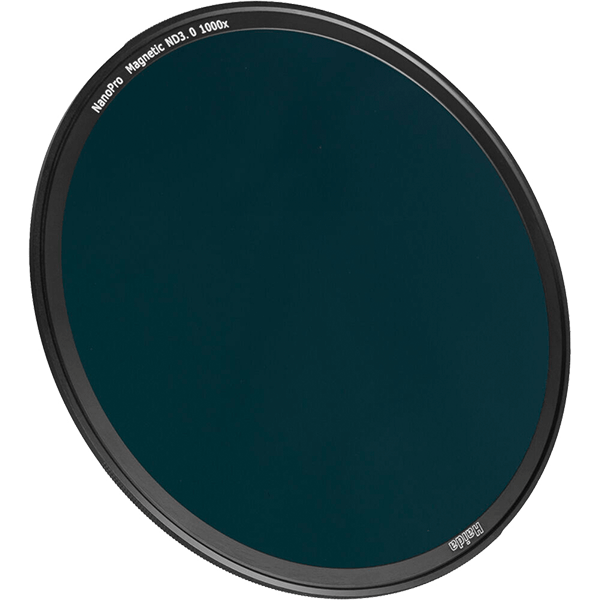
The density is specified in f-stops. An ND8 reduces light by three stops and is suitable for slightly longer exposures on a cloudy day or for shooting with a wide aperture outdoors. An ND1000 reduces light by ten stops, allowing for exposures of several seconds even in sunlight. If you only want to buy a single filter, a six-stop filter is a good middle ground. Variable ND filters cover a wide range within a single filter and are particularly valued in video production, where the exposure time is tied to the frame rate.
Polarizing Filters: Against Glare and for Rich Colors
The polarizing filter, often called a CPL, is the only filter whose effect truly cannot be simulated. By rotating the filter ring, you can eliminate reflections on water, glass, and damp foliage. This deepens the sky and increases color saturation because the distracting glare disappears from the surfaces. It’s most effective when held at a right angle to the sun; with super-wide-angle lenses, this can result in an unevenly darkened sky. As a rule of thumb: for landscapes, forests, and anything with water, the polarizing filter is the first filter you should buy.
Graduated filters: for the sky
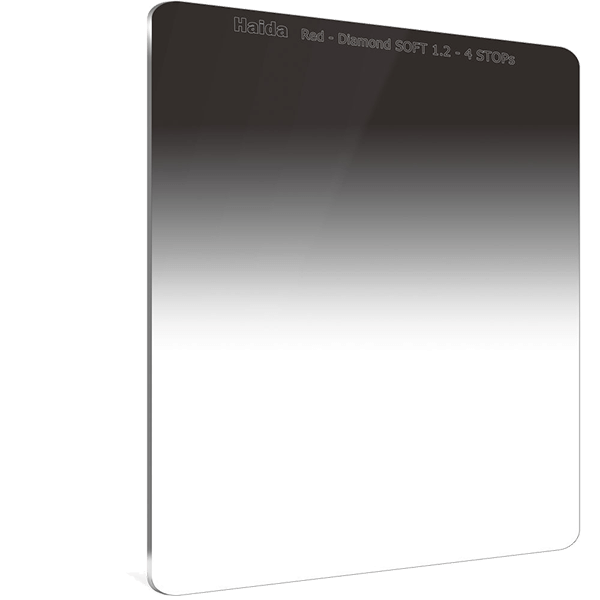
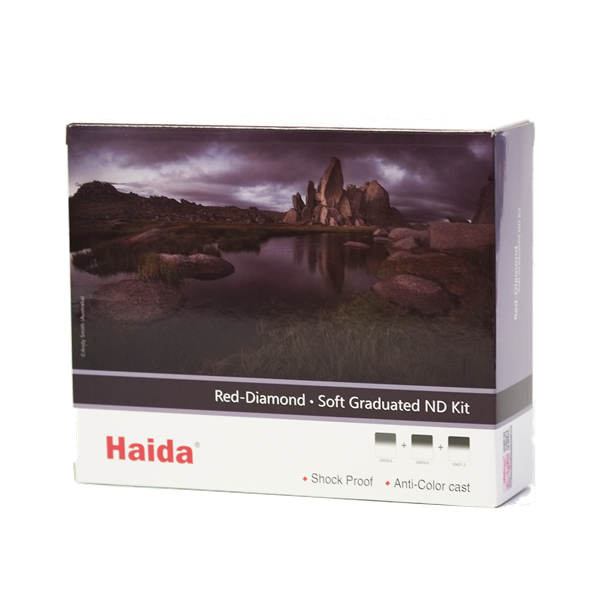
A gray graduated filter is dark on one half and gradually fades to clear on the other. This allows you to tone down a bright sky while maintaining the exposure of the foreground. For sunrises and sunsets with a clear horizon line, this is still the cleanest solution because the image is already correct at the time of capture. Gradient filters are typically sold as slip-on filters in a holder, so that the gradient edge can be shifted toward the subject.
UV and protective filters
With digital cameras, the UV filter has lost its original purpose; the sensor is already protected against UV light. What remains is its usefulness as protection for the front lens against dust, sand, and splashes. If you use one, choose one with a good coating, because an additional glass surface in front of the lens can cause reflections when shooting into the light.
Black Mist: Softening Highlights
Black Mist filters soften harsh highlights, allowing them to fade gently; contrasts become slightly flatter, and the image takes on a slightly cinematic quality. The 1/8 strength is subtle and remains unobtrusive even in portraits, while 1/4 is clearly visible and is often used for video and available light photography at night when streetlights and neon lights are in the frame.
The Right Size and Step-Up Rings
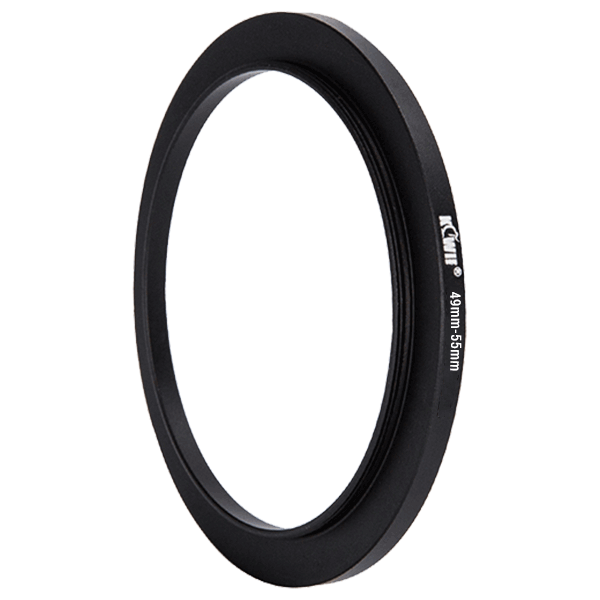
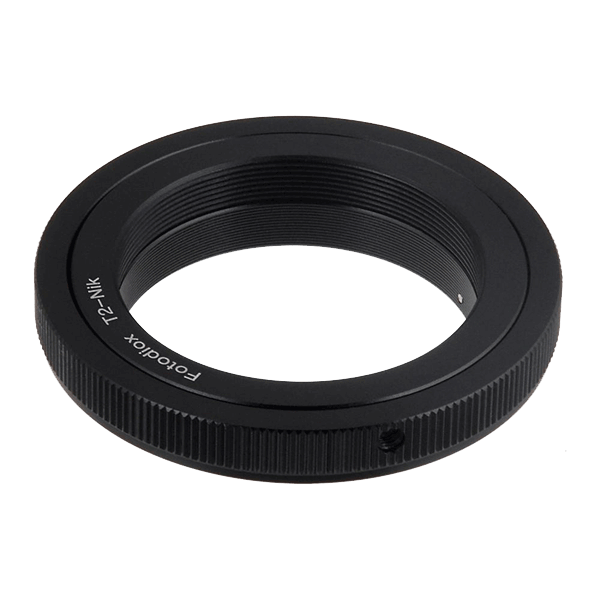
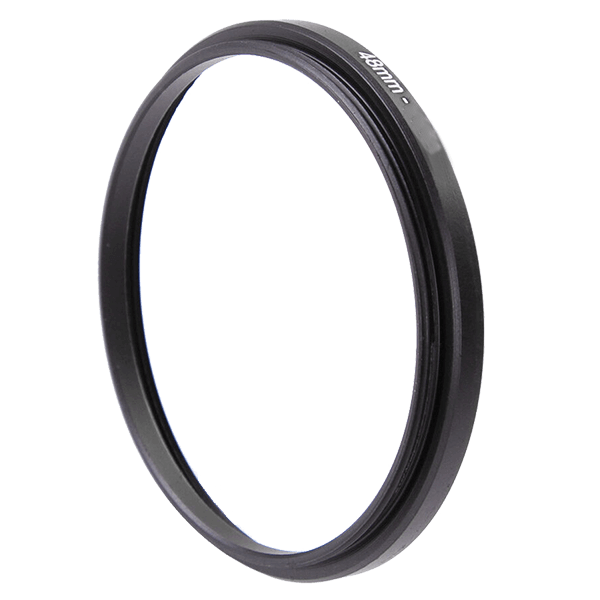
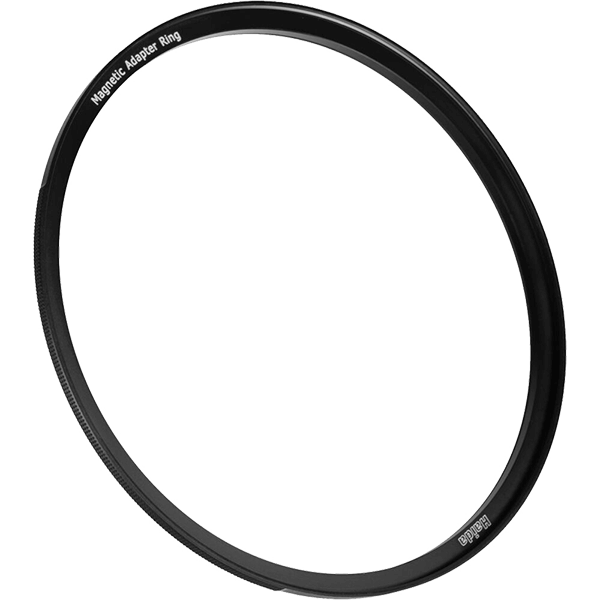
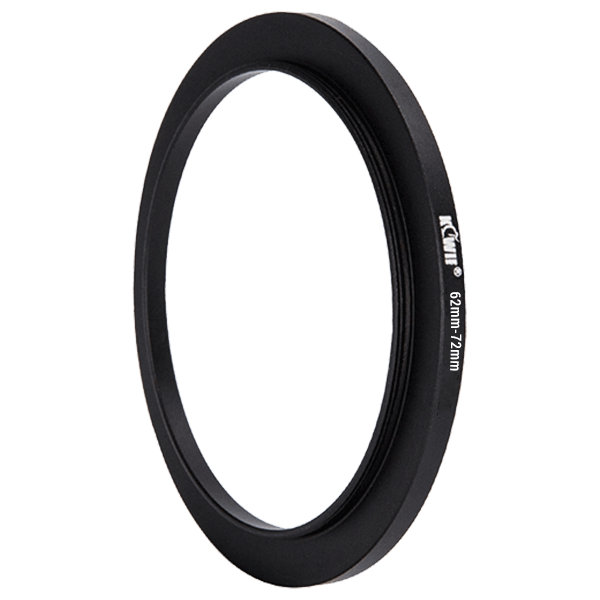
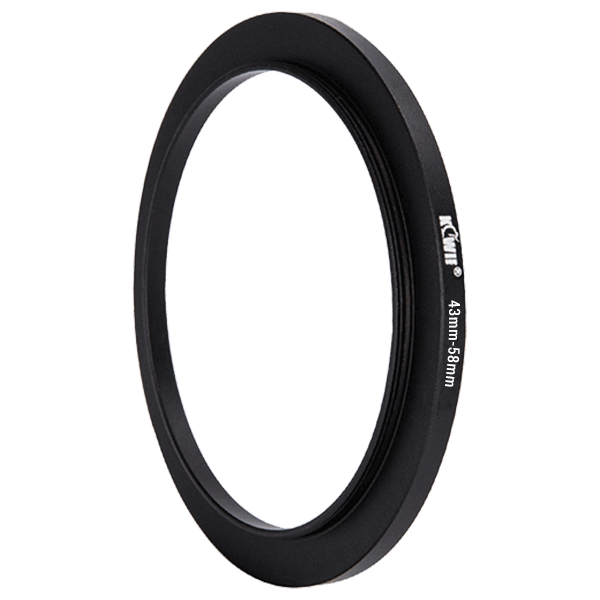
The filter diameter is listed on the front of your lens after the “ø” symbol; common sizes are 49, 52, 58, 67, 72, 77, and 82 mm. If you own multiple lenses, you don’t have to buy the same filter multiple times. A step-up ring adapts a larger filter to a smaller lens, for example, from 67 to 82 mm. The usual approach: You buy your filters once in the largest diameter you need and adapt them to all your other lenses using inexpensive rings. It doesn’t work the other way around—a filter that’s too small would darken the corners.