
Photo Studio Accessories & Studio Equipment
Here you'll find everything you need for a professional photo studio—from studio lights and softboxes to background systems, light stands, and Bowens-compatible accessories. The range includes trusted brands such as Godox, Jinbei, and Sunbounce and is suitable for both beginners and advanced studio setups. Whether it’s portrait photography, product photography, video, or social media content—you’ll find the right studio equipment for your project here.
Shaping Light: Softbox, Beauty Dish, and Umbrella
The light source provides the energy; the light shaper determines the character of the light. There is a single physical rule from which almost everything else can be derived: The larger the light surface in relation to the subject and the closer it is, the softer the light. Soft light means smooth transitions between light and shadow; hard light means sharp edges.
Softbox: The All-Rounder
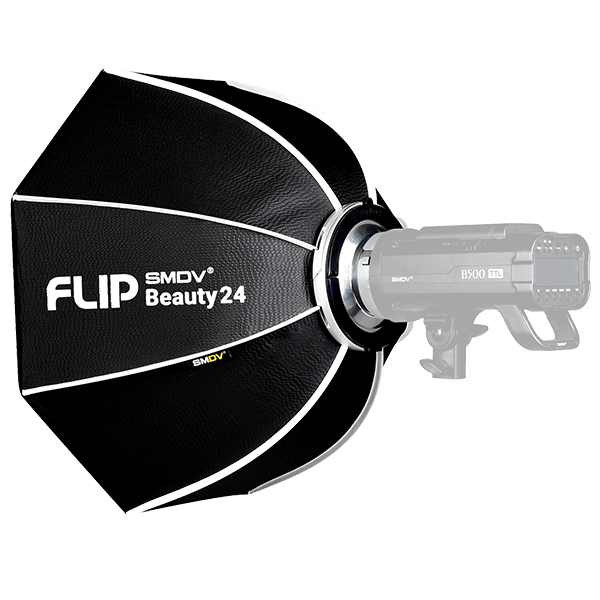
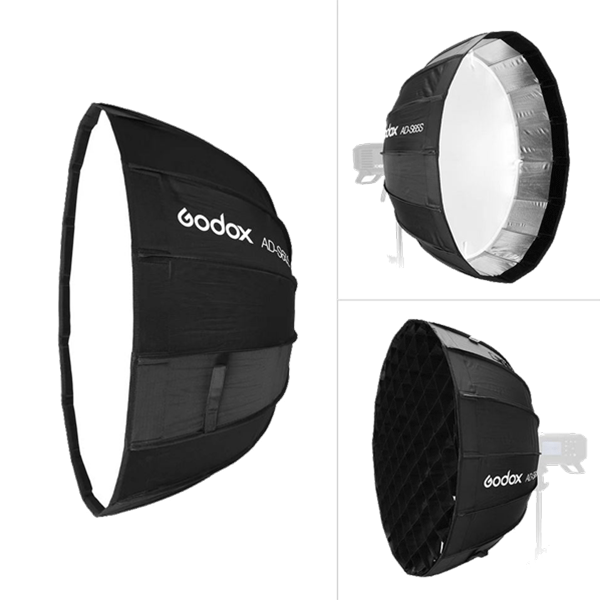
A softbox transforms the flash into a large, even surface. The light remains controlled because the black outer walls prevent it from scattering uncontrollably into the room. This is exactly what makes it the top choice in small spaces: You decide what gets lit and what doesn’t.
The shape affects the result. A rectangular softbox creates an elongated reflection in the eyes and works well when positioned to the side to simulate window light. An octabox is octagonal and more closely resembles the round shape of a natural light source, making its reflection in the eye appear more natural. For portraits, an octabox measuring about 90 cm or larger is a reliable starting point. A strip light is narrow and long; it traces contours and is often used as edge lighting from behind.
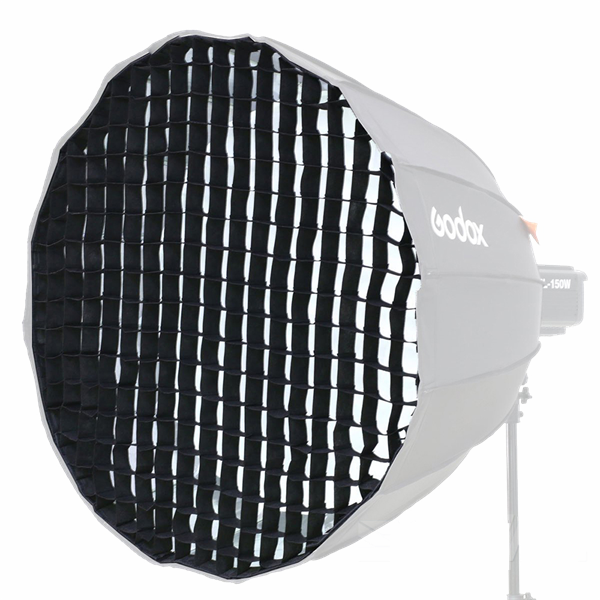
A grid or honeycomb in front of the softbox further concentrates the light and prevents it from falling on the background. Without a grid, you’ll illuminate the entire room; with a grid, only your subject is lit. This is the crucial difference when you want the background to remain dark.
Beauty Dish: Between Hard and Soft
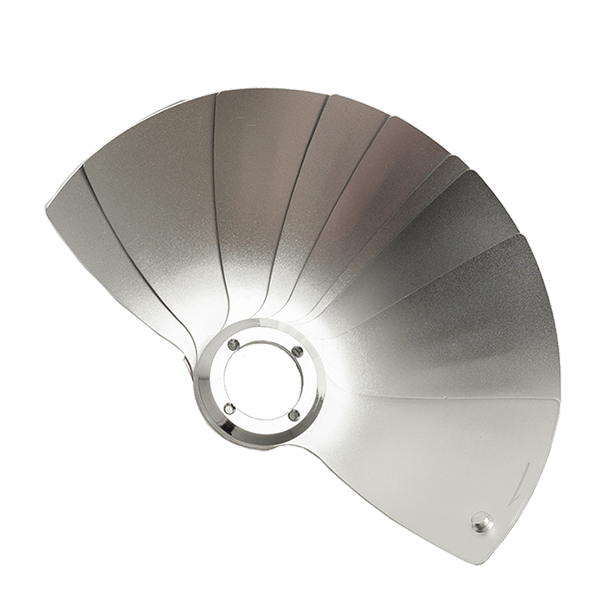
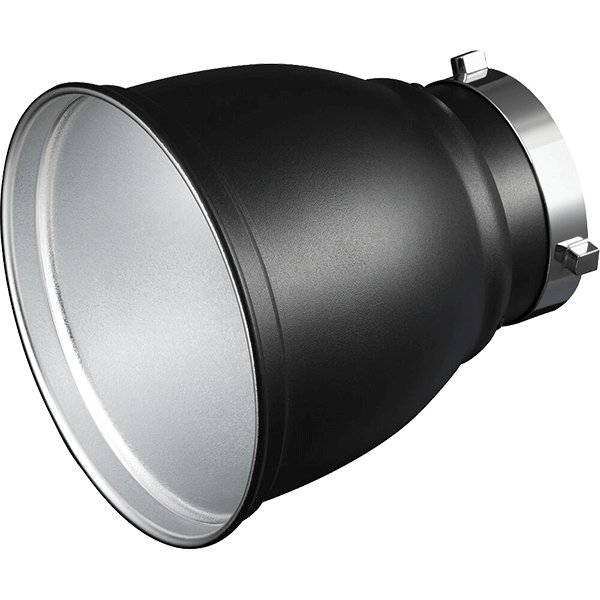
The Beauty Dish is a flat, round reflector with a deflector in the center that intercepts the direct beam and directs the light outward toward the dish. The result is intentionally a middle ground: softer than a bare reflector, but much more defined than a softbox. It traces the cheekbones and jawline and gives the skin texture rather than smoothing it out.
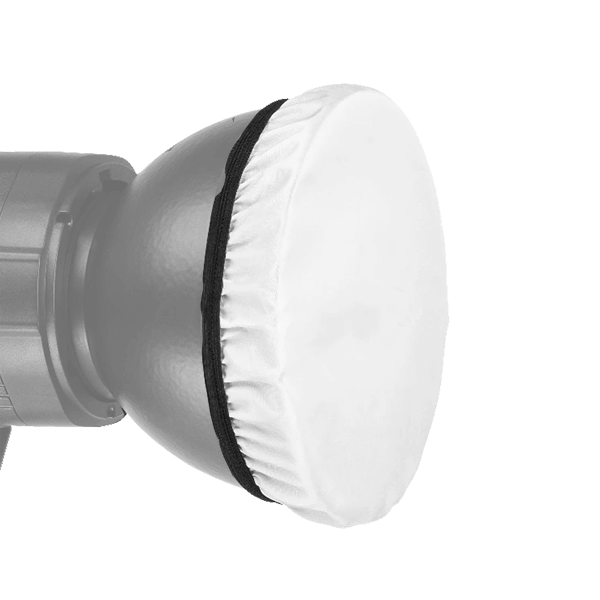
The difference from a softbox in a nutshell: The softbox flatters and is forgiving; the Beauty Dish sculpts and reveals. It’s the right choice for beauty and character portraits where texture is desired. For skin that should appear soft, use a softbox. A silver interior provides more contrast and brilliance, while a white interior yields a softer result. A diffuser on the dish softens the highlights, and a grid narrows the beam.
Umbrella: quick and affordable
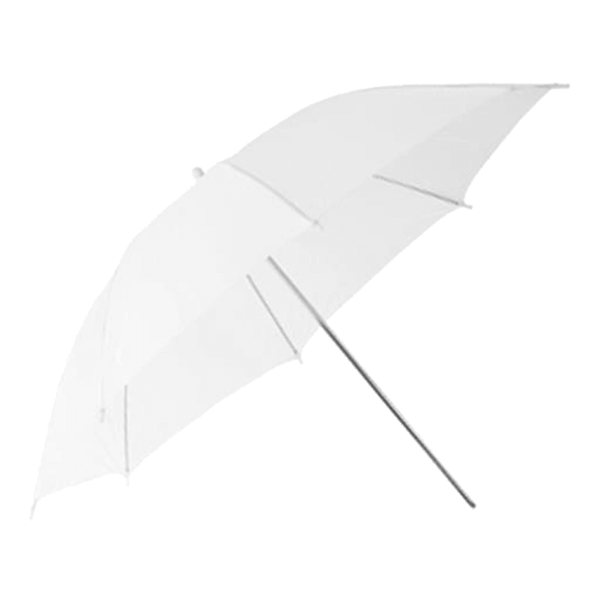
An umbrella sets up in seconds and is inexpensive. Translucent umbrellas allow light to pass through and produce very soft light that scatters in all directions. Reflective umbrellas bounce the light back and provide a slightly more directional effect. The disadvantage compared to a softbox is precisely this scattering: In a small room with light-colored walls, the umbrella brightens everything, including the background. When control is needed, the softbox is superior; when speed and cost are key, the umbrella is the better choice.
Setting Up the Light Correctly
As a starting point for a portrait: Position the main light to the side at about a 45-degree angle to the subject and slightly from above, angled roughly at eye level. On the opposite side, use a folding reflector to fill in the shadows as much as you like. This is already a complete setup, and often, that’s all you need for good portraits. More important than a second light is the distance: Move the softbox closer if you want the light to be softer, and farther away if you want it to be more defined.
A folding reflector is the most underrated tool in the studio. White brightens subtly, silver adds more brilliance, gold warms the image, and the black side absorbs light instead of reflecting it. Targeted shading with black, in particular, helps restore sharp edges in product shots.
Background
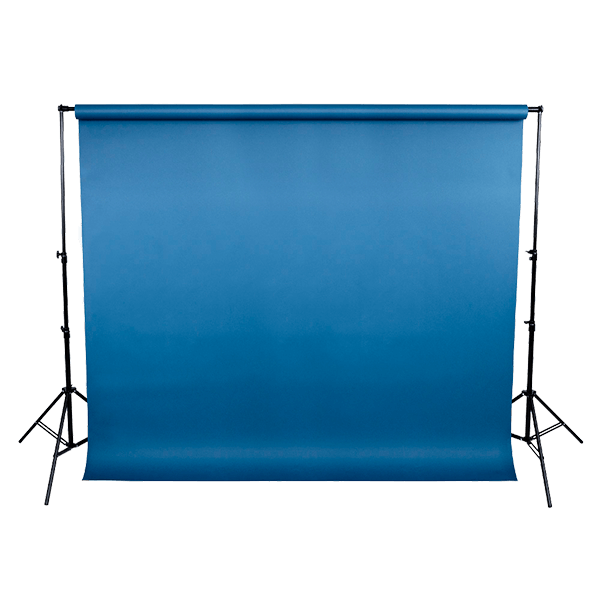
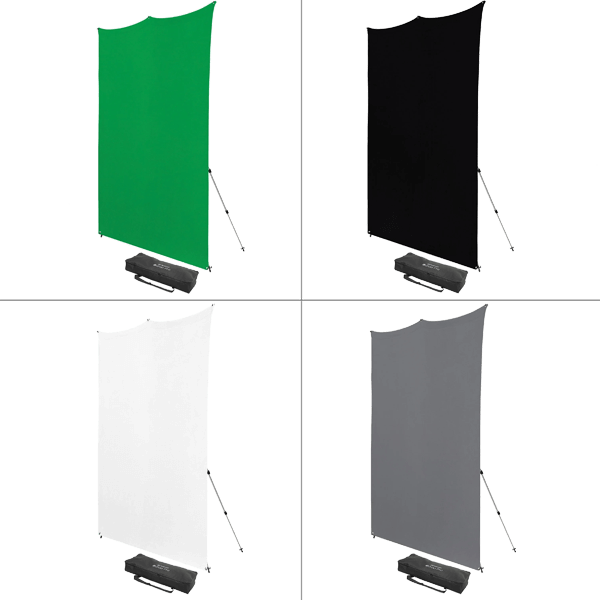
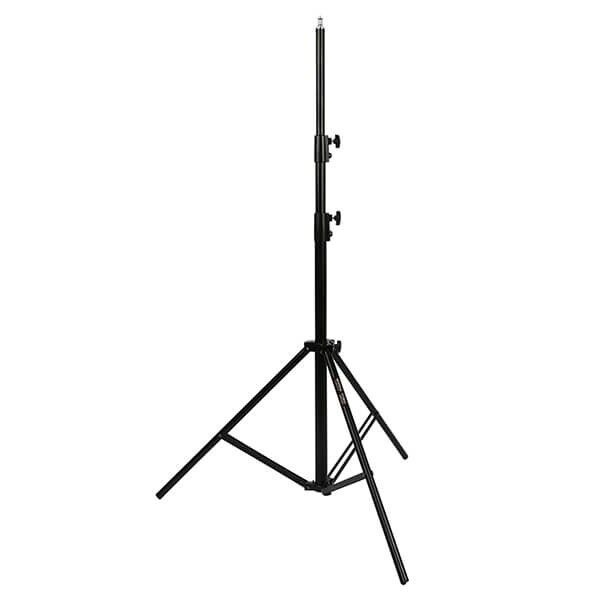
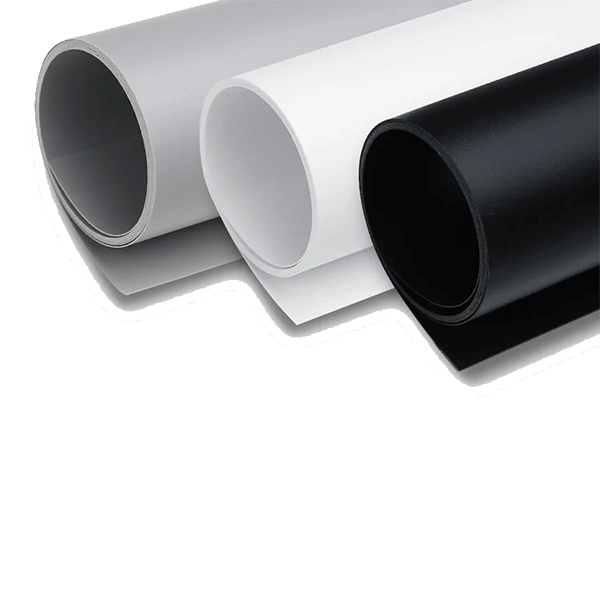
A background system consisting of two tripods and a crossbar supports paper, fabric, or vinyl backgrounds. Paper provides the most uniform surface and can be easily trimmed if it gets dirty; fabric is portable but tends to wrinkle. Distance is key: If the person stands too close to the background, light falls on it and creates shadows. With a distance of two meters, you can light the background independently or leave it in the dark. For cutouts, a green screen is an alternative, but it requires even, wrinkle-free lighting; otherwise, the key will be messy. You can find suitable tripods for this under Camera Tripod.