
Filter Holders for Slip-On Filters
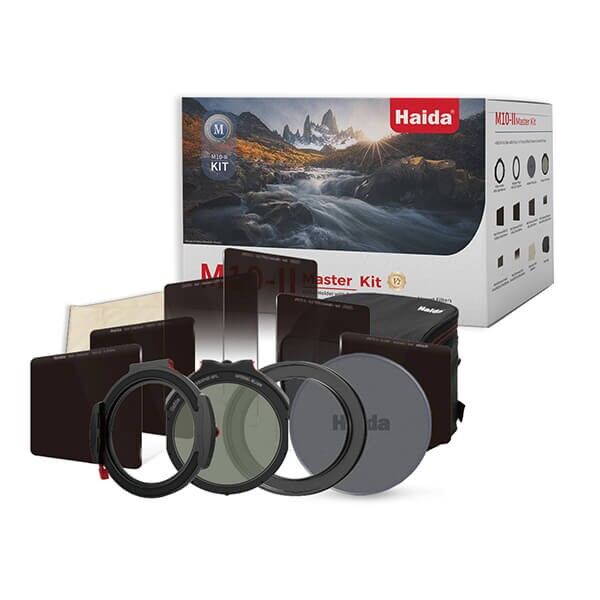
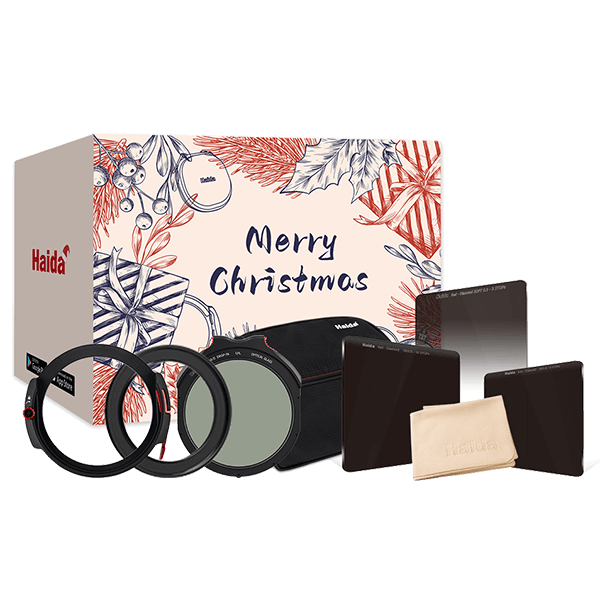
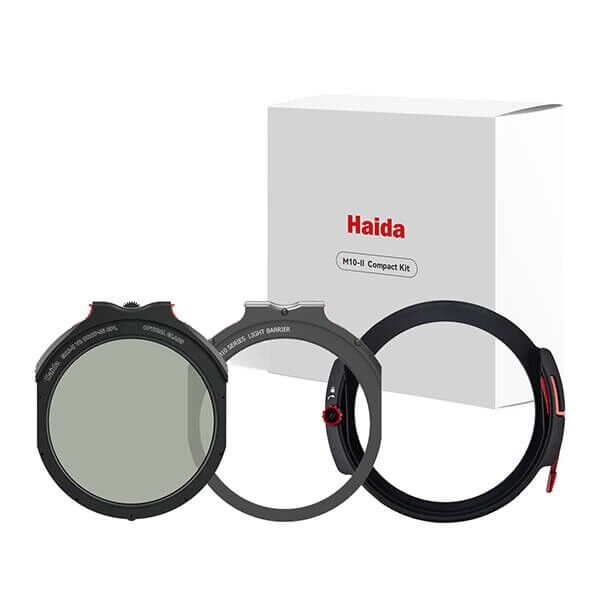
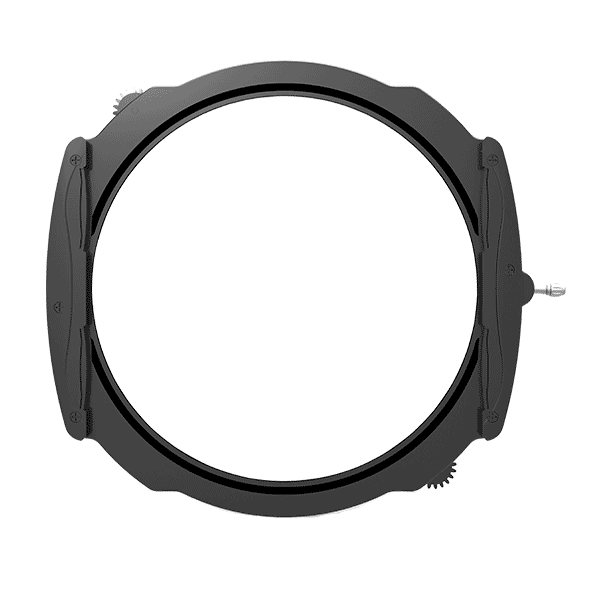
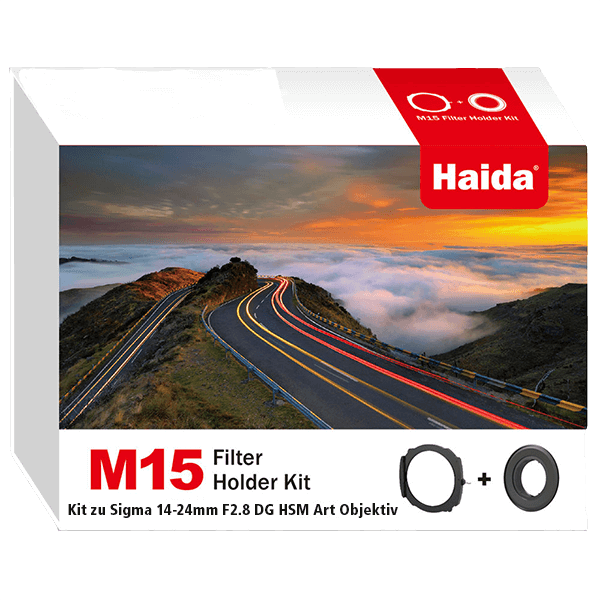
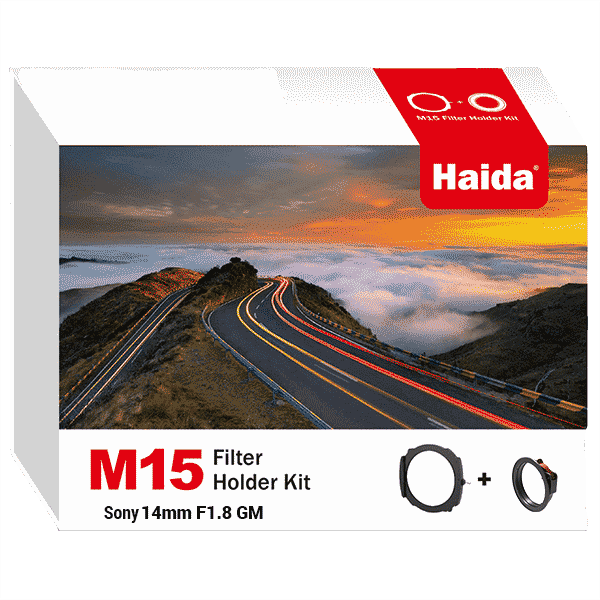
The holder is the heart of every filter system: It attaches to the lens and holds the rectangular filters—usually several at a time. Here you’ll find Haida’s filter holders, the M10-II system for 100-mm filters, and the M15 system for 150-mm filters, available individually or as a kit with a matching adapter ring.


M10-II or M15?
The decision depends on your largest lens, not on the price.
M10-II for 100 mm
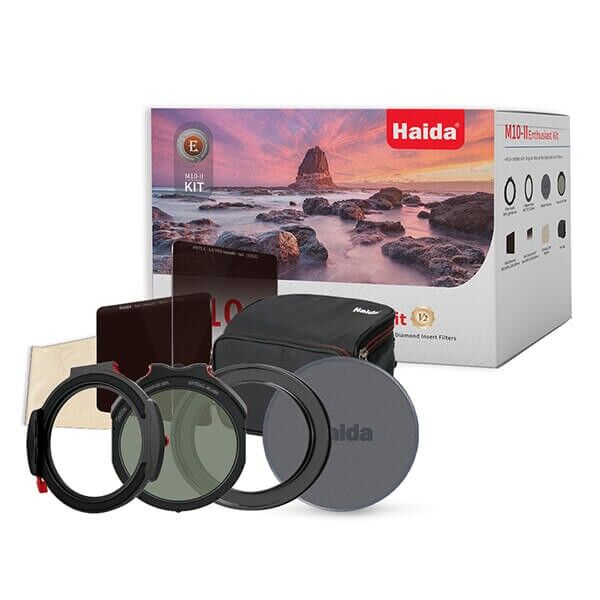
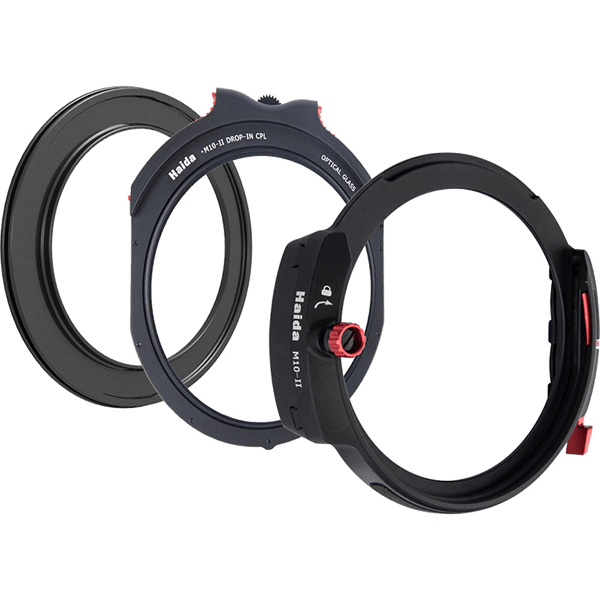
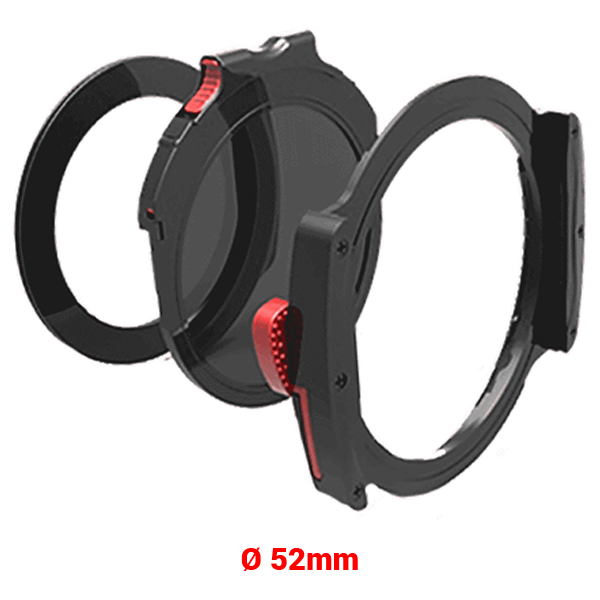
The M10-II is the standard and the right choice for virtually all standard wide-angle and zoom lenses up to about an 82 mm filter thread. The holder is compact, lightweight, and can accommodate two to three filters at once. An integrated polarizing filter can be rotated without the slip-on filters moving along with it. Unless there’s a specific reason not to, go with this system: it’s lighter, more affordable, and offers the widest selection of filters.
M15 for 150 mm
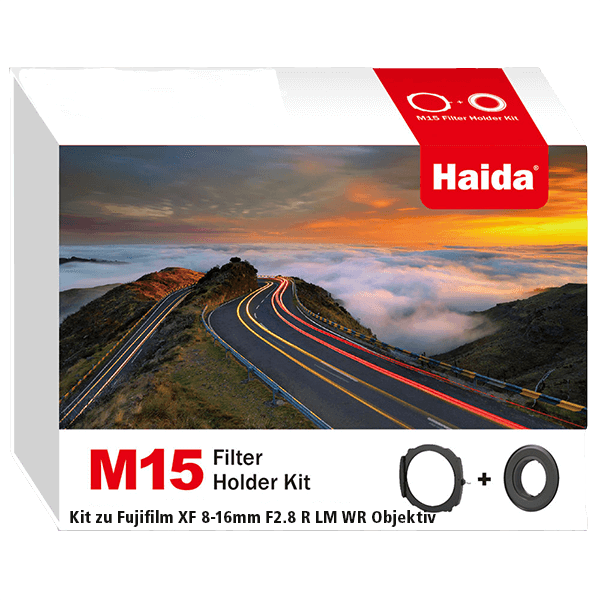
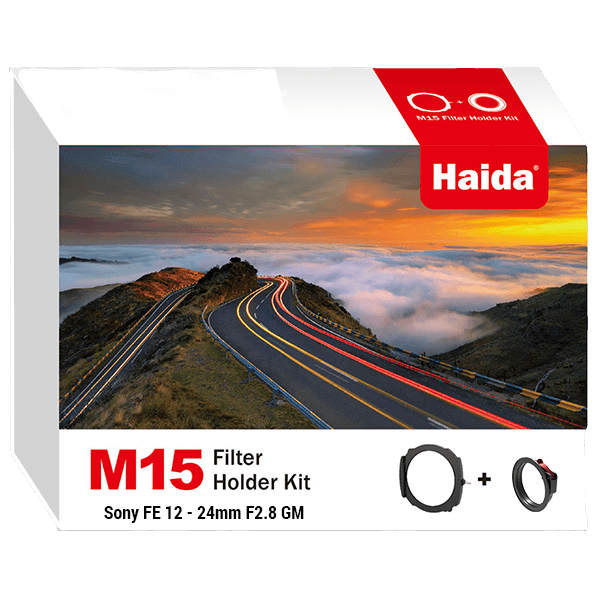
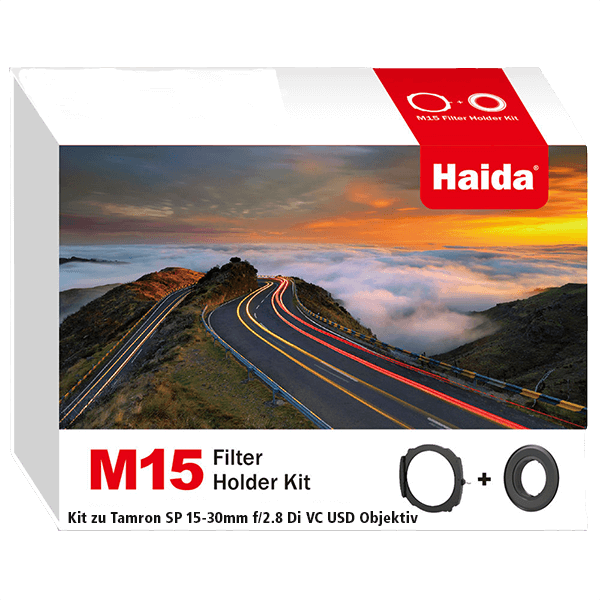
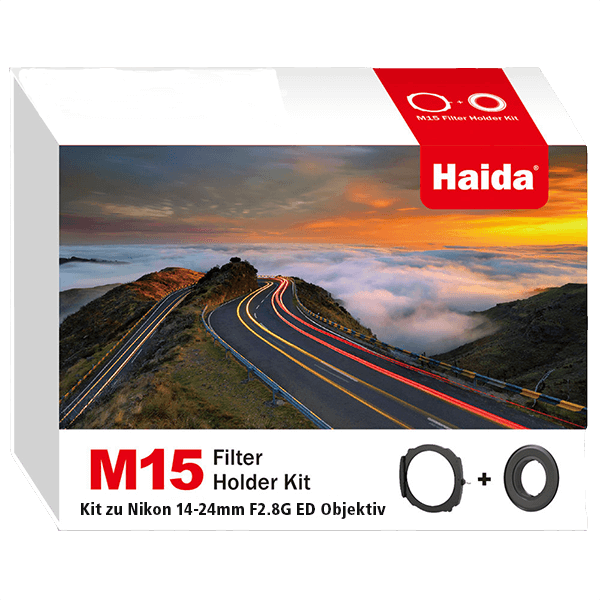
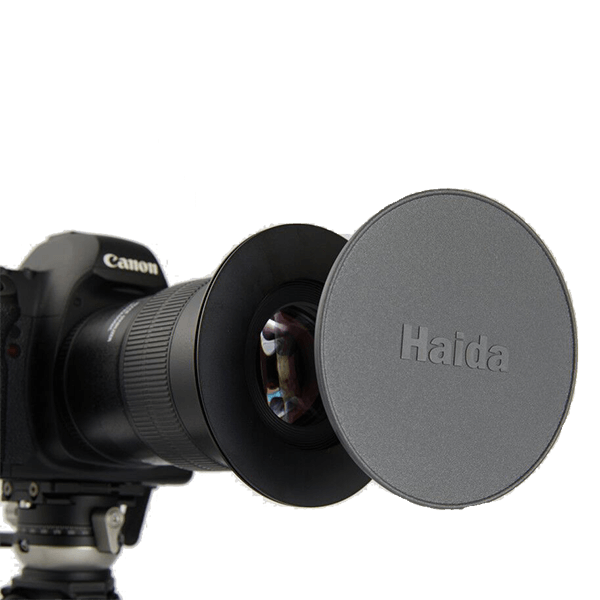
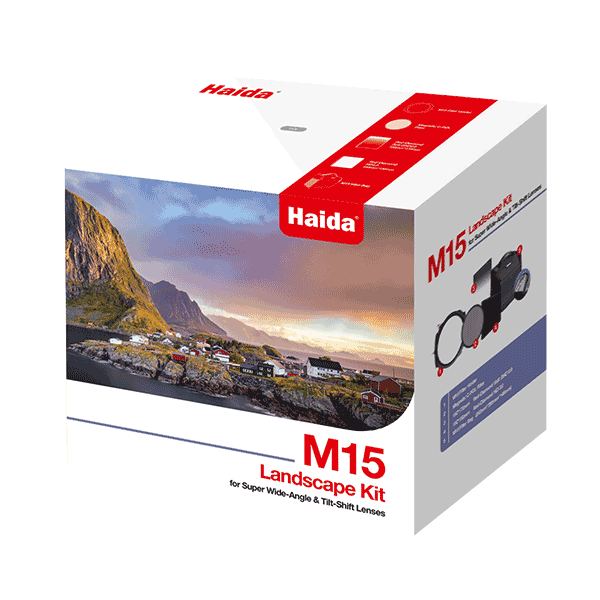
You’ll need the M15 for super-wide-angle lenses with a curved front element and a permanently attached lens hood. Lenses such as the Sigma 14–24 mm, the Nikon 14–24 mm, the Sony FE 12–24 mm GM, or the Fujifilm XF 8–16 mm do not have a front thread; a 100 mm holder would appear in the frame at these angles of view. For these lenses, there are ready-made kits in which the holder and lens-specific adapter are designed to work together. The system is large, heavy, and expensive, but there’s no alternative for these lenses.
Mounts sold individually or as a kit
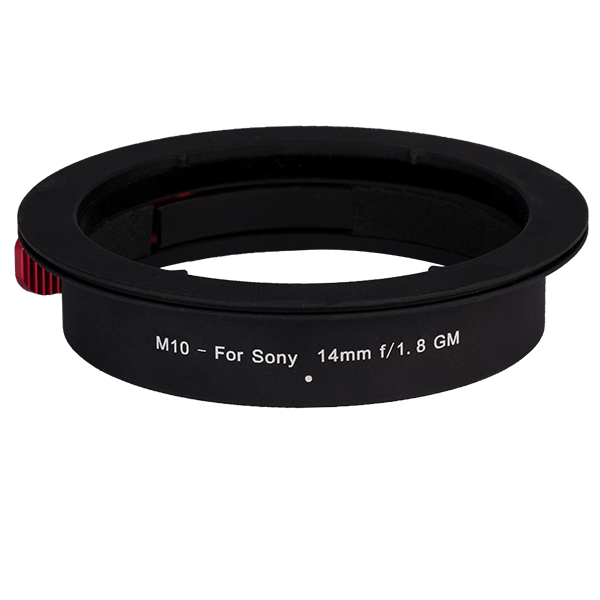
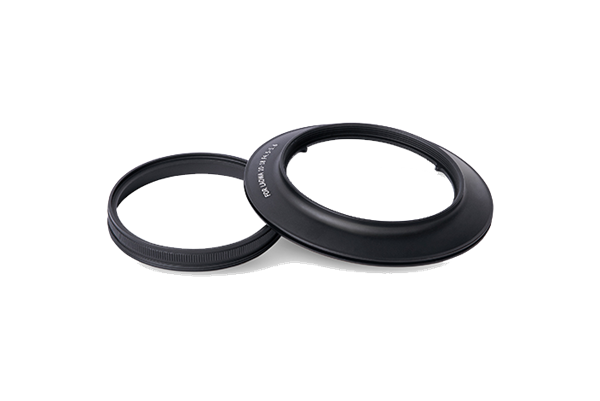
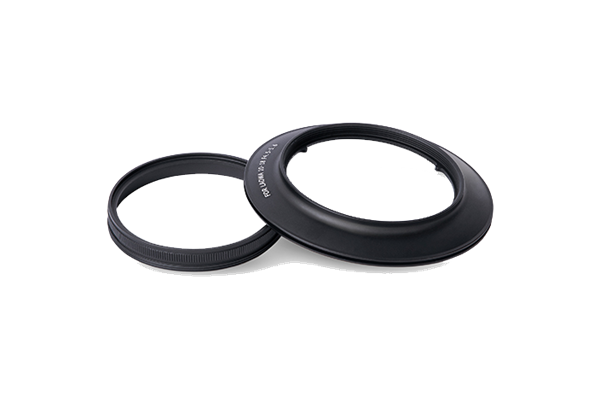
A kit includes the mount, an adapter ring, and—depending on the package—filters and a polarizing filter. This is the easier way to get started because everything fits together. If you buy the filter holder separately, you’ll definitely need the appropriate adapter ring for your lens’s filter diameter. The ring is the part that connects to the lens; without it, the filter holder hangs in midair.
When light enters from behind
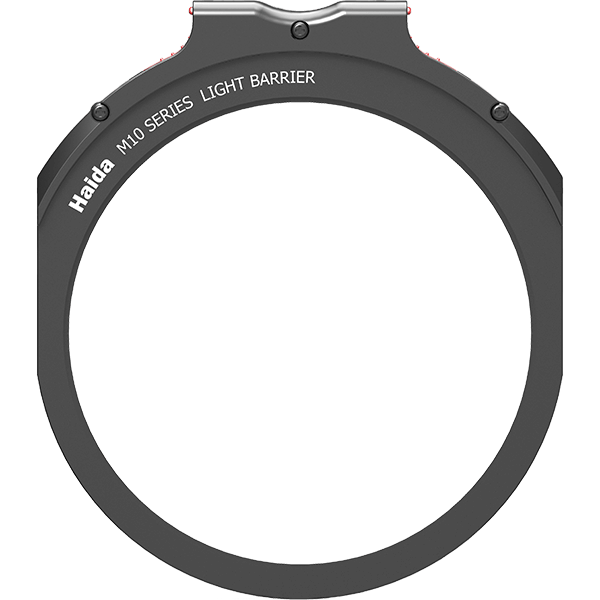
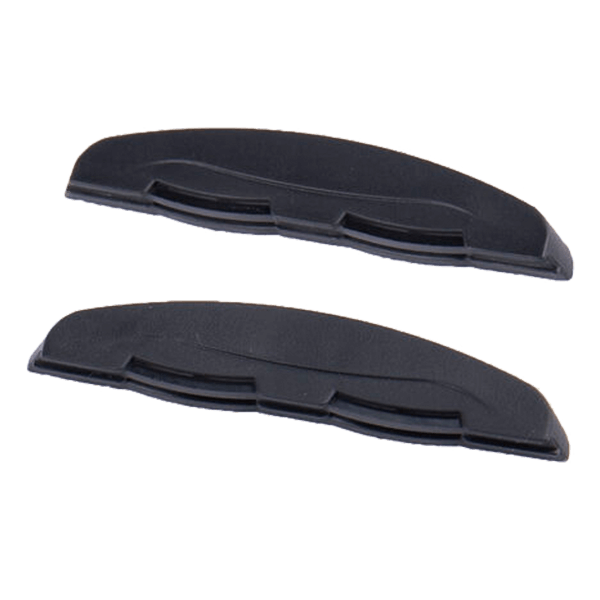
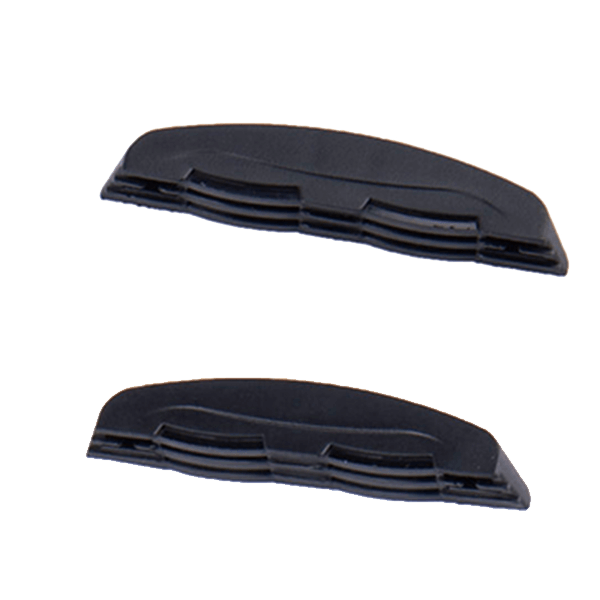
During long exposures, stray light can enter between the mount and the lens, causing a haze in the image. To prevent this, there are light barriers and seals that close the gap. At f/10 and exposures lasting several minutes, this isn’t just a theoretical problem—it’s the most common cause of unexplained bright spots in the image.
What Else You Need
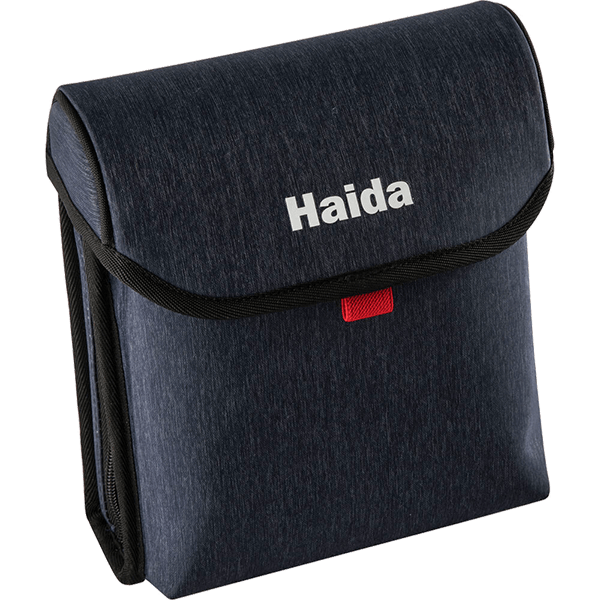
You can find the right filters under Plug-in Filters and Filter Systems and Gradient Filters, and transport solutions under Filter Bags and Accessories.