
Camera Accessories – Batteries, Remote Shutters, and Care Kits for Your Camera
With the right camera accessories, you can get more out of your gear—whether in everyday life, while traveling, or during demanding shoots. Here you’ll find everything else you need for your camera: spare batteries, chargers, camera bags, carrying systems, remote triggers, cleaning kits, and much more. Conveniently organized, tailored to the most important applications, and compatible with popular camera systems.

The Accessories That Really Belong in Your Bag
Camera accessories cover a wide range. Which ones are useful depends less on the camera model than on how and where you take photos. However, there are a few items that almost everyone should have in their bag.
Spare Batteries and Chargers
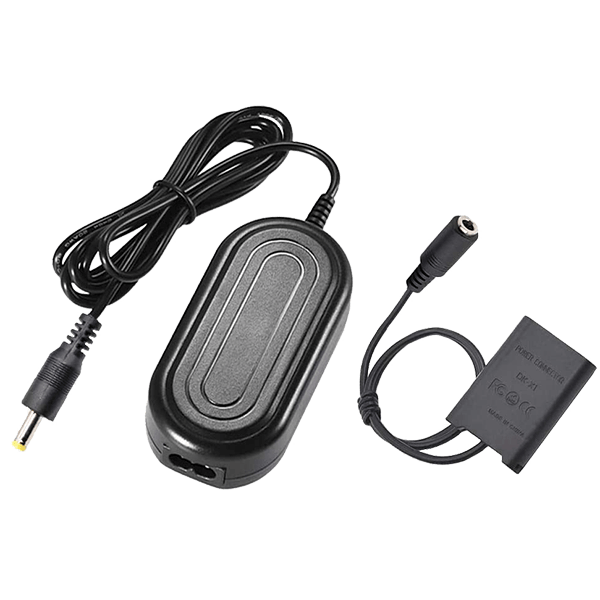
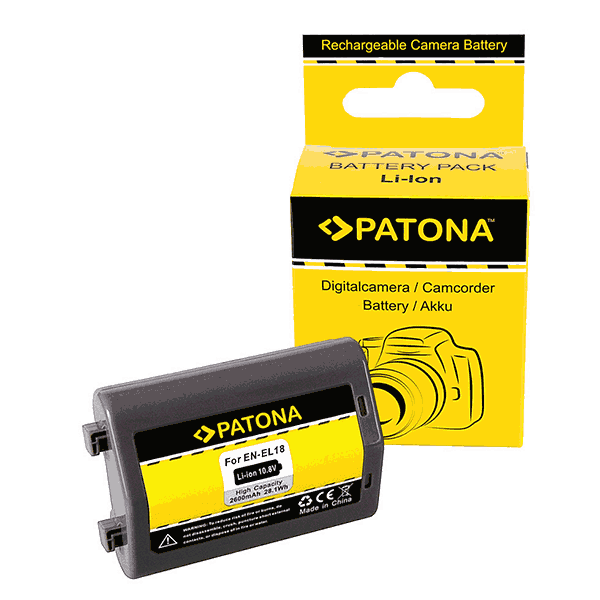
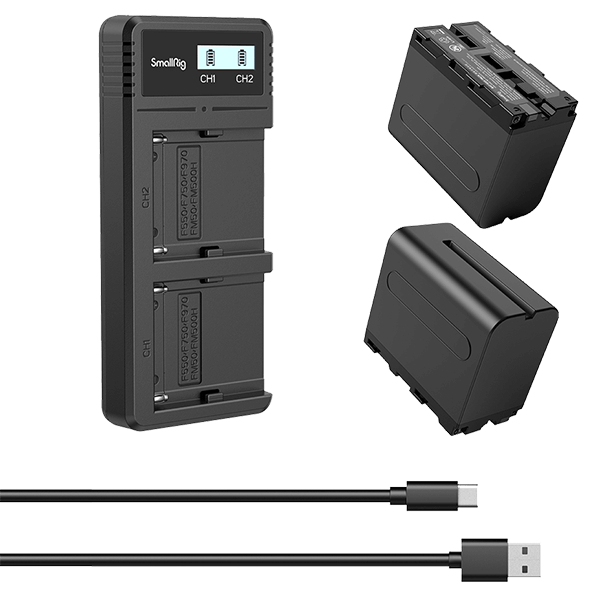
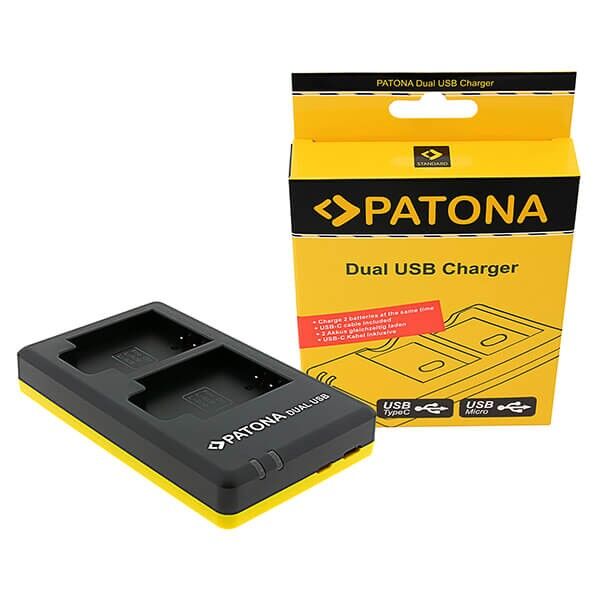
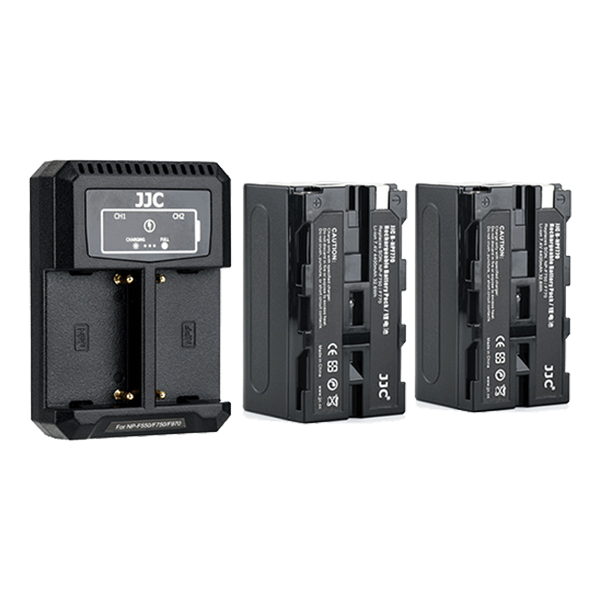
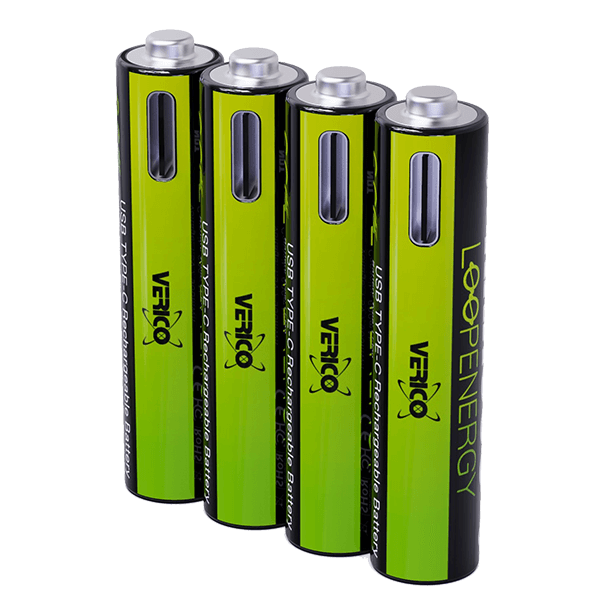
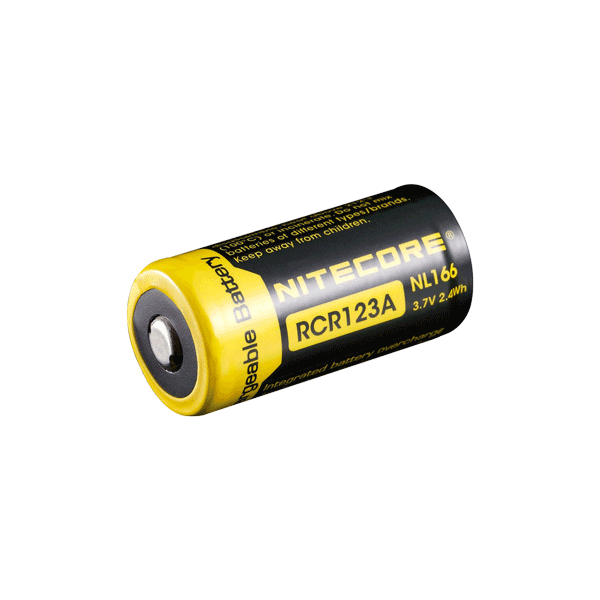
The battery is the most common reason why a day of photography ends earlier than planned. Mirrorless cameras consume more power than SLR models because the viewfinder and display are constantly running. In cold weather, battery capacity also drops noticeably. A second battery is therefore not a luxury purchase; for all-day shoots, a third one is recommended.
In addition to the manufacturers’ original batteries, there are alternatives from Patona that power the same cameras and can usually be charged in the original charger as well. Pay close attention to the exact model number, as the differences are small but crucial. With Canon, for example, the LP-E6, LP-E6N, LP-E6NH, and LP-E6P differ in capacity and features, but they all fit mechanically into the same camera body. Newer cameras use features that older batteries do not support.
When it comes to storage, keep in mind: Batteries do not like being either fully charged or fully discharged for extended periods. If you’re putting a camera away for weeks, it’s best to store the batteries half-charged and in a cool place. When traveling by air, lithium batteries must always be carried in your carry-on luggage—never in checked luggage—and the contacts should be taped over to prevent short circuits or packed individually.
Gray Card: Colors That Are Just Right
A gray card is a surface with a defined neutral gray that has no color cast and does not reflect light unevenly. You photograph it once under the same lighting conditions as your subject and later, during editing, use the eyedropper tool to set the white balance to it. This ensures that all images in the same series have neutral colors in one go.
The difference from a white card: White can blow out in the shot and then no longer provide a usable reading, while neutral gray remains within the safe range. Many cards combine both with a black field. This is particularly useful in mixed lighting, under artificial light, and whenever colors must be absolutely accurate—such as in product and reproduction photography.
Cleaning the Lens and Sensor
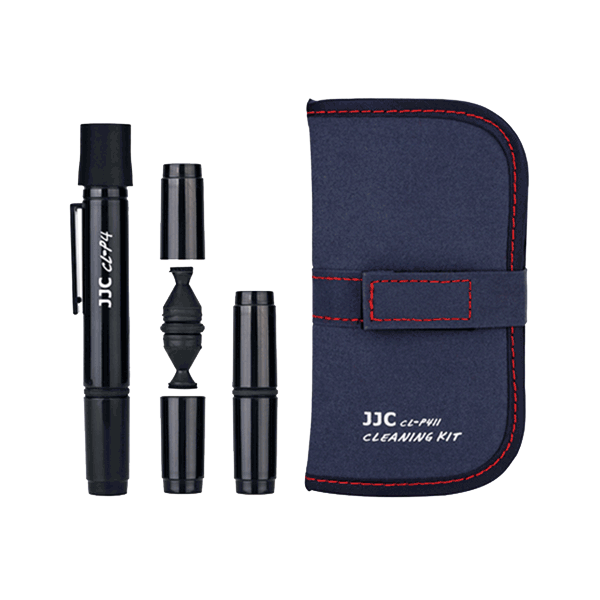
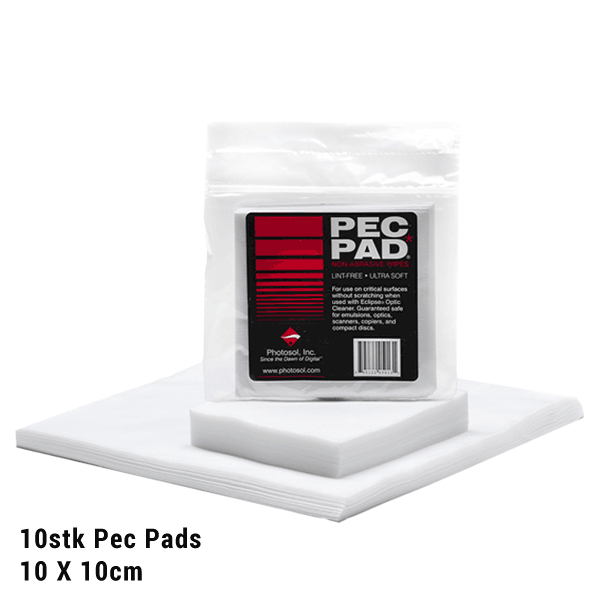
When cleaning, the rule is: as little as possible, but do it right. First, remove loose dust with a blower without touching the surface. Only then should you use a brush or a microfiber cloth. For fingerprints and smudges, use a special cleaning cloth with a drop of lens cleaner and work in a spiral motion from the center outward. Shirt cuffs and paper tissues have no place on the glass; they contain fibers and additives that can damage the coating.
The sensor is the trickier part. Visible dark spots on uniform surfaces with the aperture closed indicate dust. A blower often solves the problem. If spots remain, sensor swabs are available in the appropriate sensor size and come with cleaning fluid. If you don’t feel confident doing this yourself, take the camera in for service—a scratch on the filter glass is more expensive than any cleaning.
Remote Shutters and Memory Cards
A remote shutter prevents camera shake during long exposures and is essential for time-lapse photography; many models include an interval timer function. When it comes to memory cards, the guaranteed write speed is more important than the maximum read speed advertised. If you’re shooting 4K video or taking long bursts of photos, make sure to check for the appropriate video and UHS classes. A card reader connected to your computer is usually much faster than transferring data via the camera’s cable and also conserves the camera’s battery life.
Accessories for your camera model
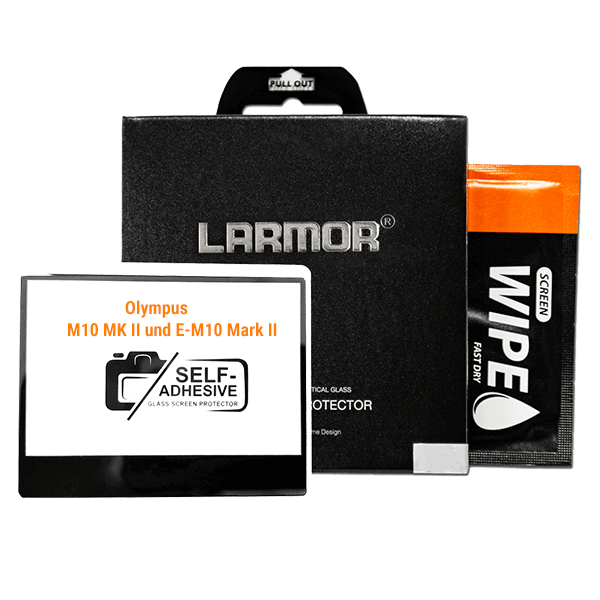
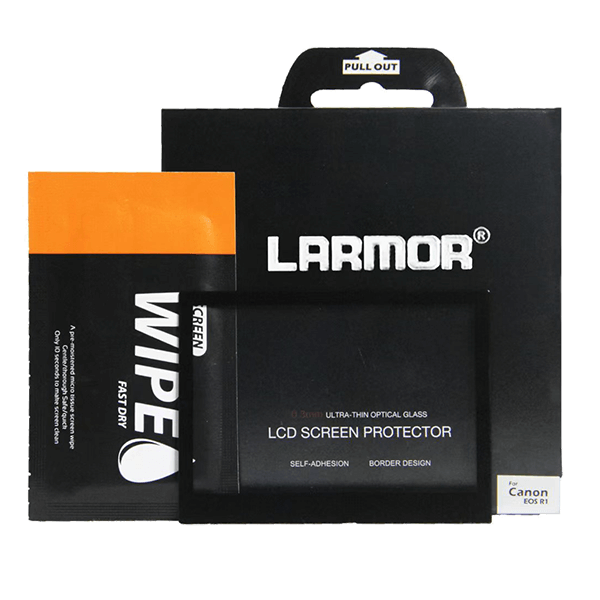
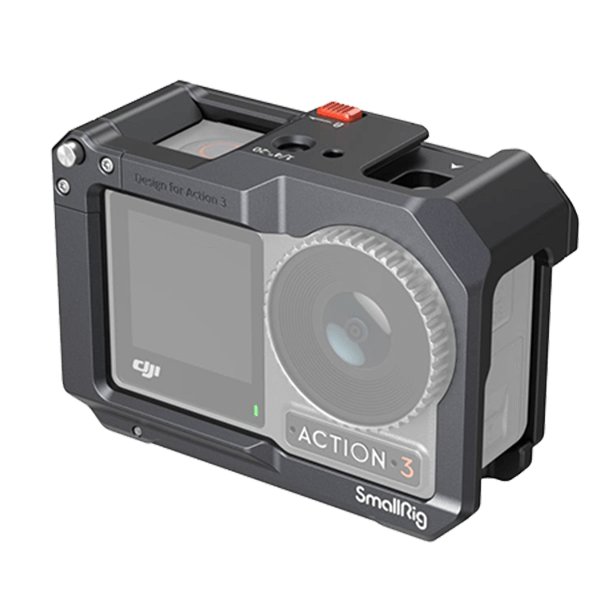
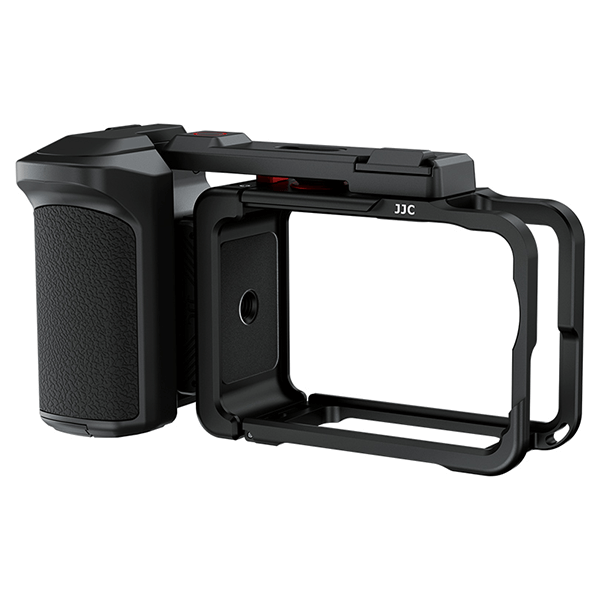
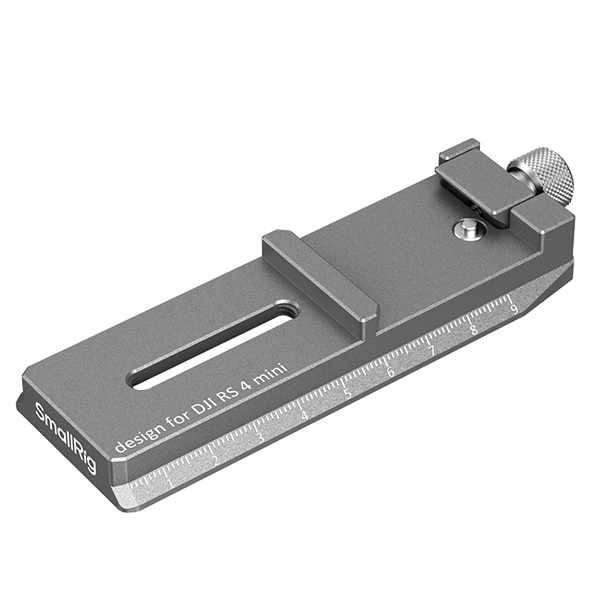
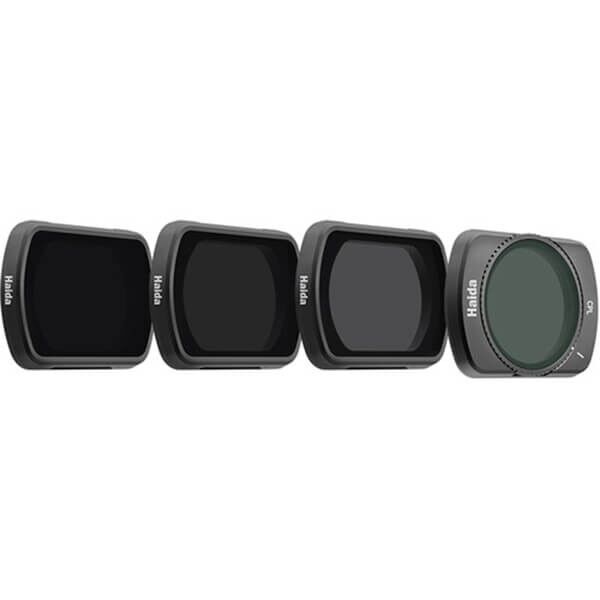
Popular cameras like the Fujifilm X100VI, the Ricoh GR, or the Sony RX100 have their own dedicated accessory lines: shutter release buttons, thumb grips, glass screen protectors, leather half-shells, and compatible filter adapters. These parts are precisely tailored to the respective camera body. So use the filter filters by camera model in the left column—that way, you’ll only see what actually fits.