
Lens Hoods and Sunshades
The lens hood is the accessory that many people leave in the box, yet it’s the one that improves your photos the most. It blocks stray light from the sides and protects the front element. Here you’ll find replacement hoods for popular lenses from Canon, Nikon, Sony, and other manufacturers.
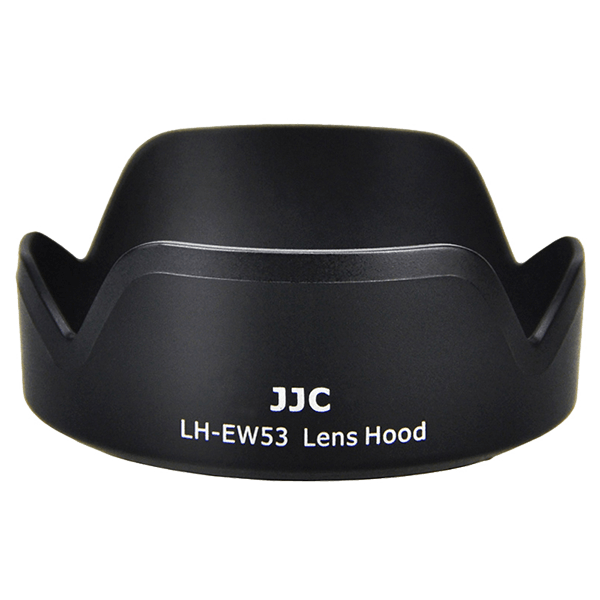
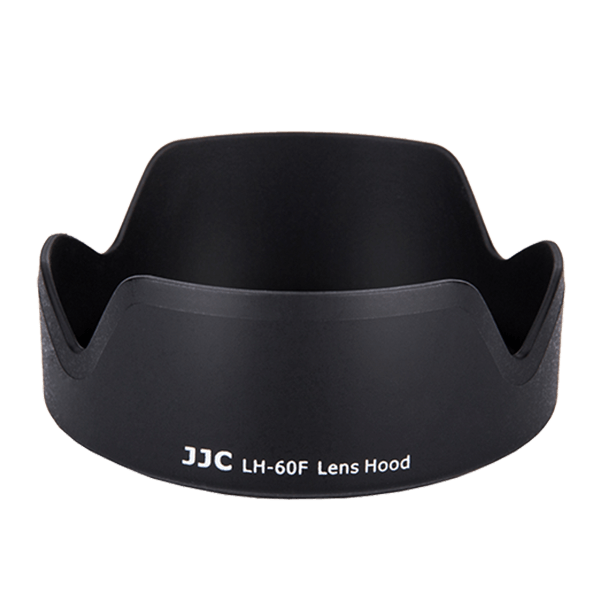
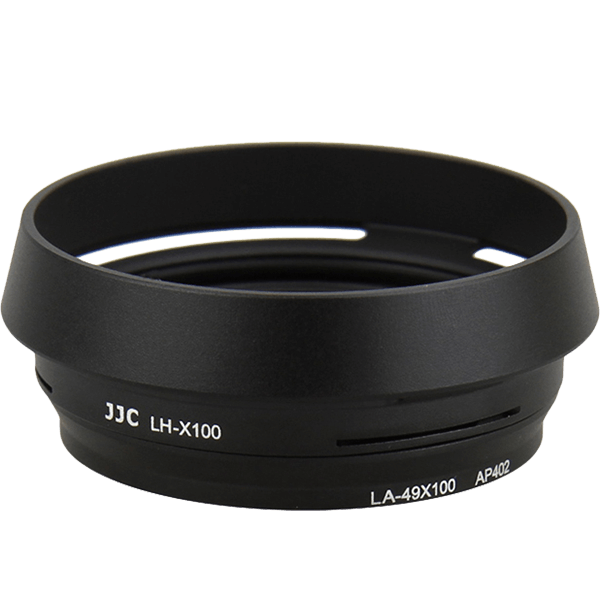
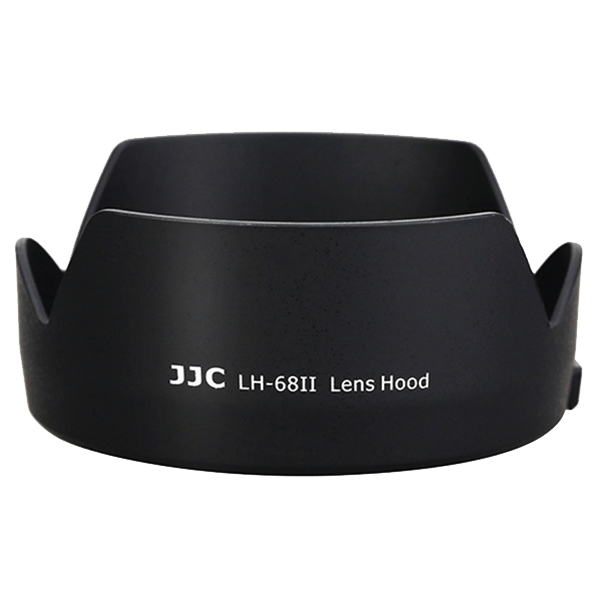
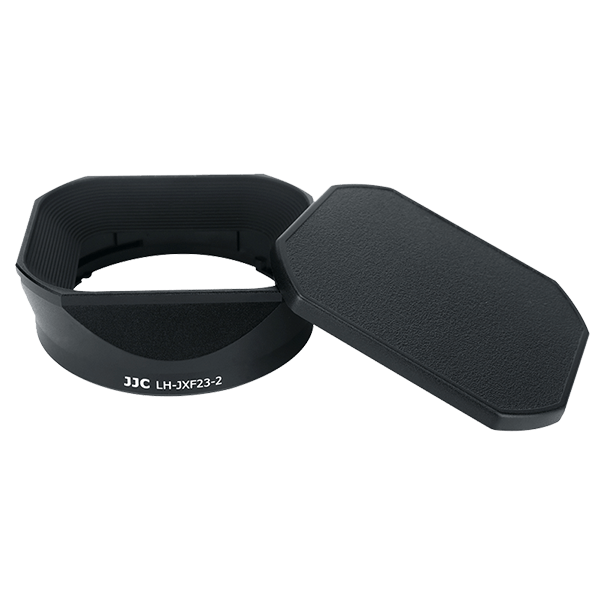
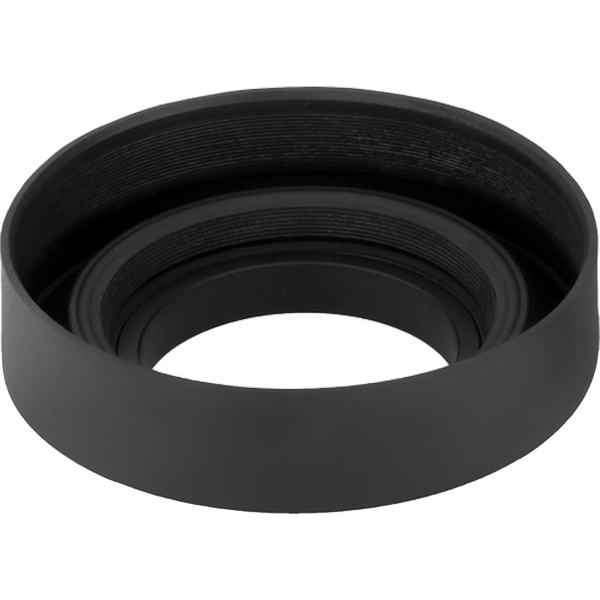
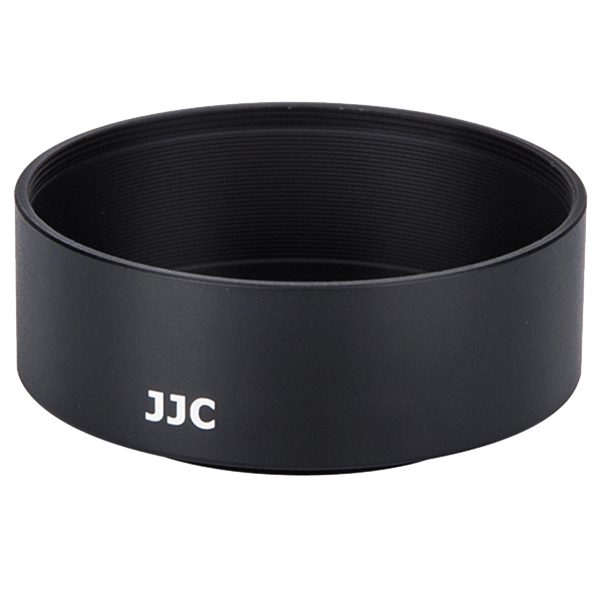
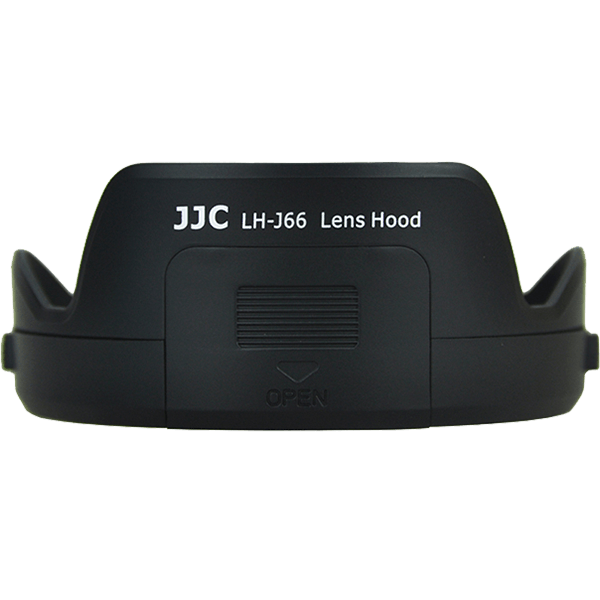
Why the Lens Hood Belongs on the Lens
Stray light falling on the front element from the side is reflected multiple times inside the lens. This results in reflections and, above all, a dull haze over the entire image that reduces contrast and color saturation. The lens hood blocks precisely this light before it reaches the lens.
Useful Even Without Sunlight
The name is misleading. Stray light is also present on cloudy days, indoors, and at night from streetlights. The second benefit is mechanical: The lens hood extends beyond the front element and absorbs the impact if the lens bumps into something. It is therefore the most affordable protection for the most expensive piece of glass.
Finding the Right Lens Hood
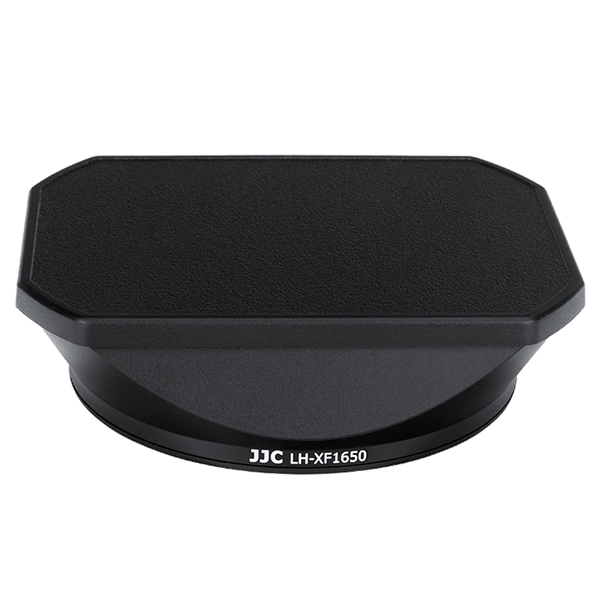
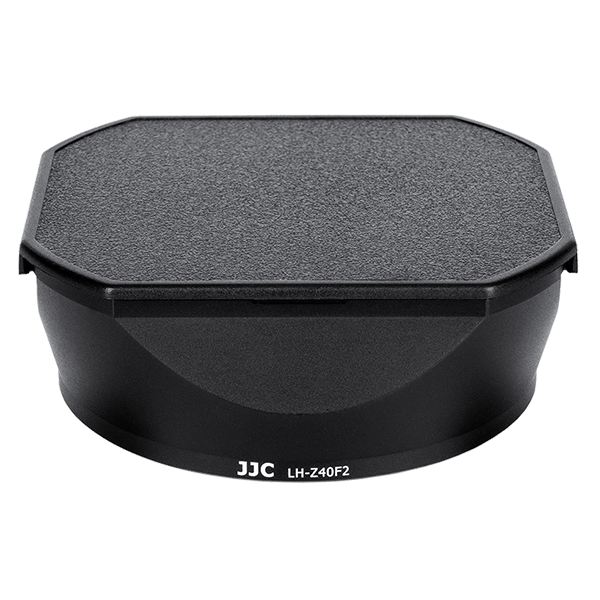
Lens hoods are lens-specific and bear a manufacturer’s designation such as ET-74B or EW-83. This designation can be found in your lens manual or on the original lens hood. It’s the surest way to find the right lens hood, because the filter diameter alone isn’t enough: The hood fits onto the bayonet mount in front of the filter thread, and this bayonet mount varies depending on the lens.
Round or Tulip
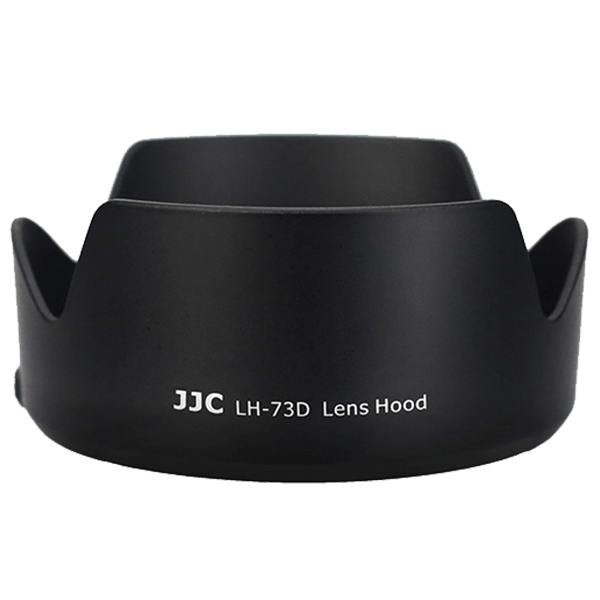
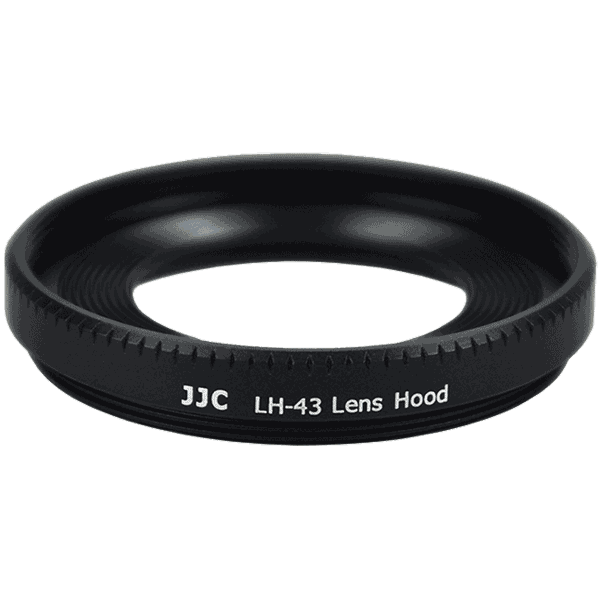
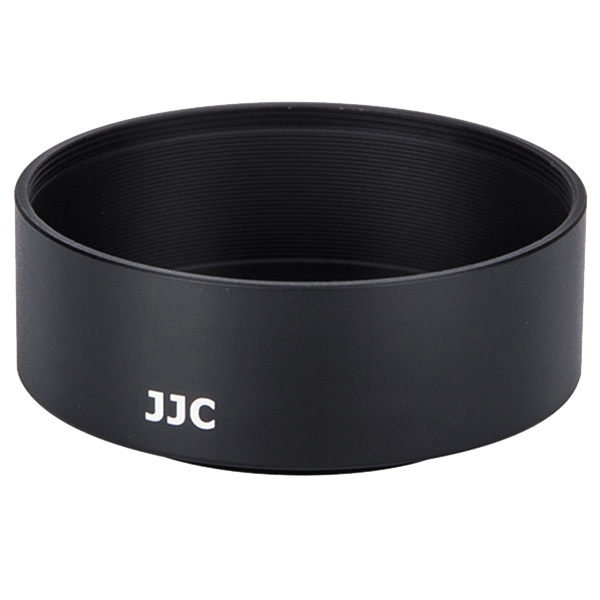
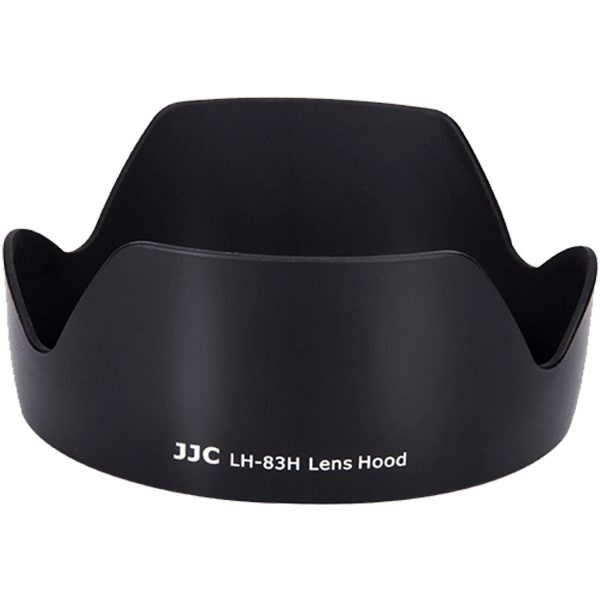
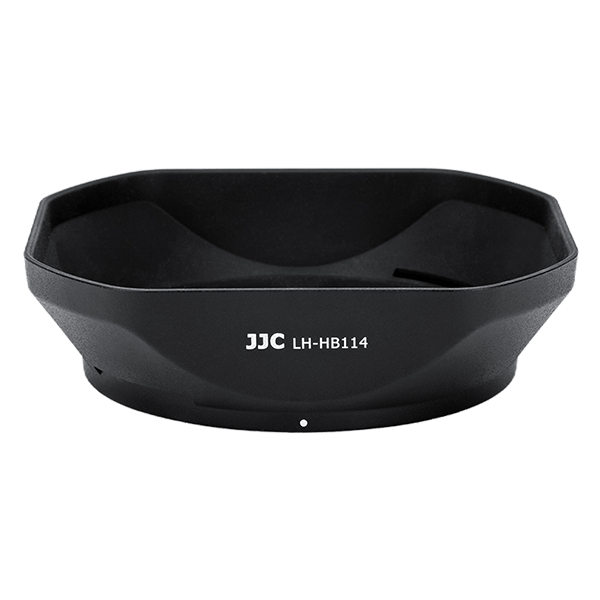
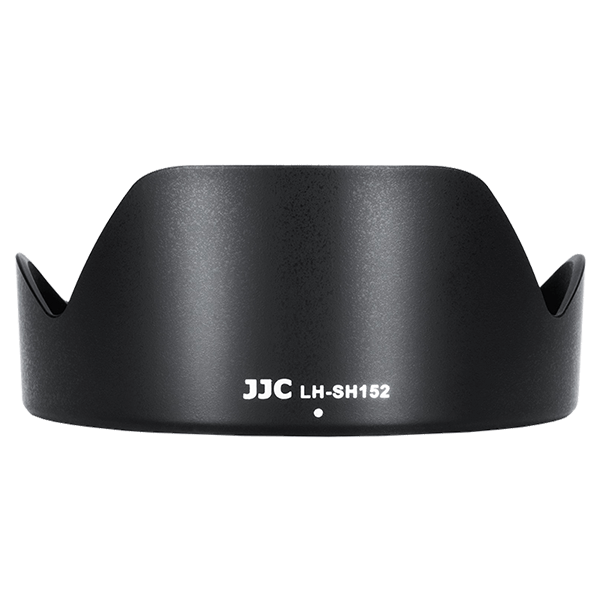
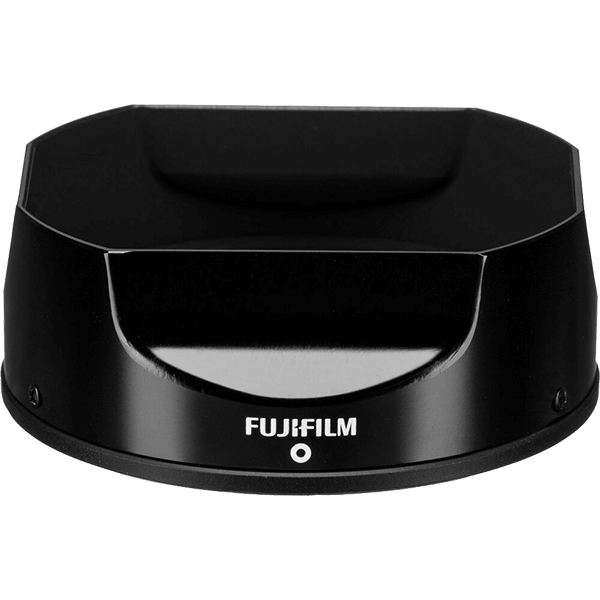
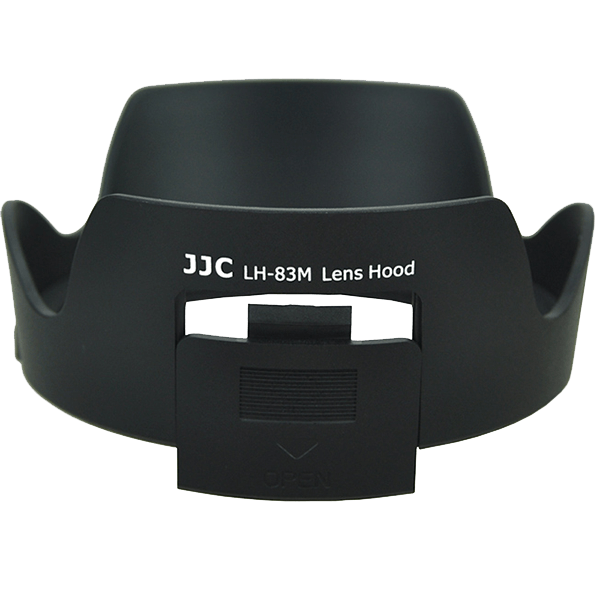
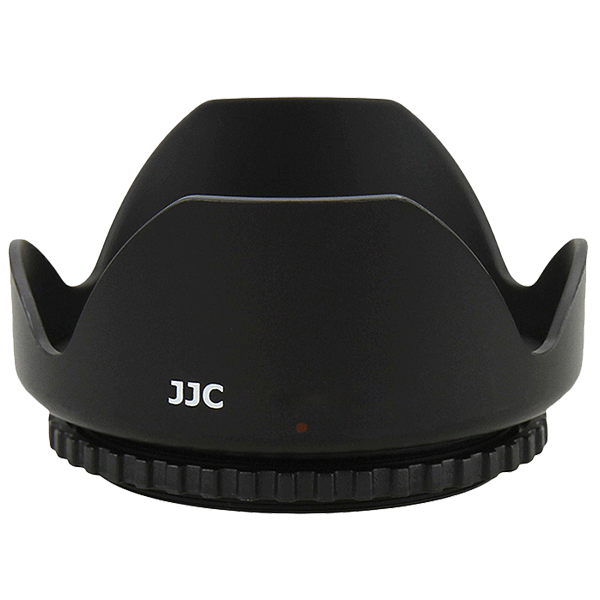
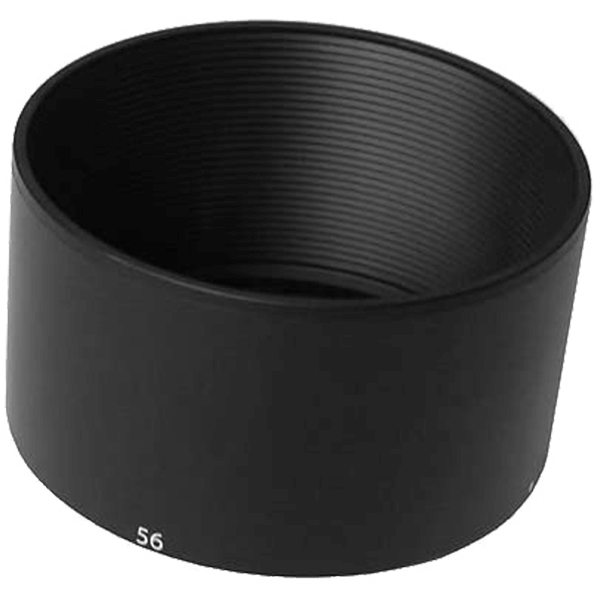
The shape isn’t just a design choice. Round hoods are used on telephoto lenses, where the angle of view is narrow and the hood can therefore be deeper. The tulip shape with cut-out corners is used on wide-angle and zoom lenses: Because the sensor is rectangular, the lens hood can protrude further forward on the short sides than on the long ones. An incorrect or too-deep lens hood leads to darkened image corners.
Lens hood and filter together
Using both at the same time is usually no problem, because the lens hood attaches in front of the filter thread. Things get tight with the polarizing filter, which you have to rotate: With the lens hood attached, you can barely reach the filter ring. That’s why many lens hoods have a small window with a sliding cover. When storing the lens hood, place it upside down on the lens; then you can only access the lens cap with a cap that has an inner grip.