
Screw-on filters for your lens
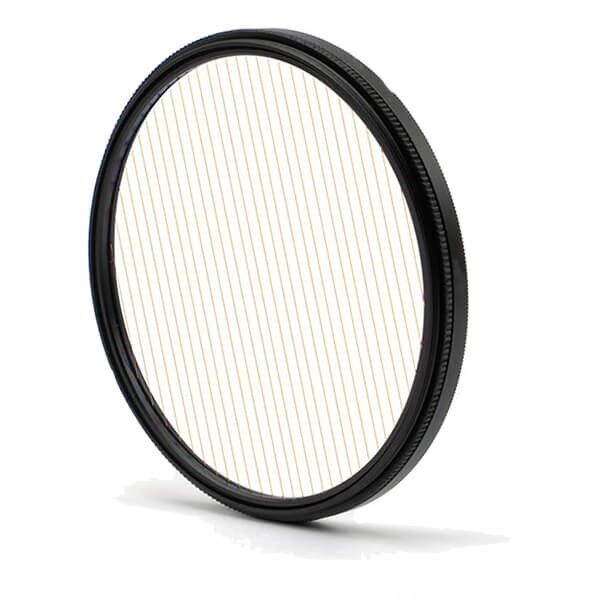
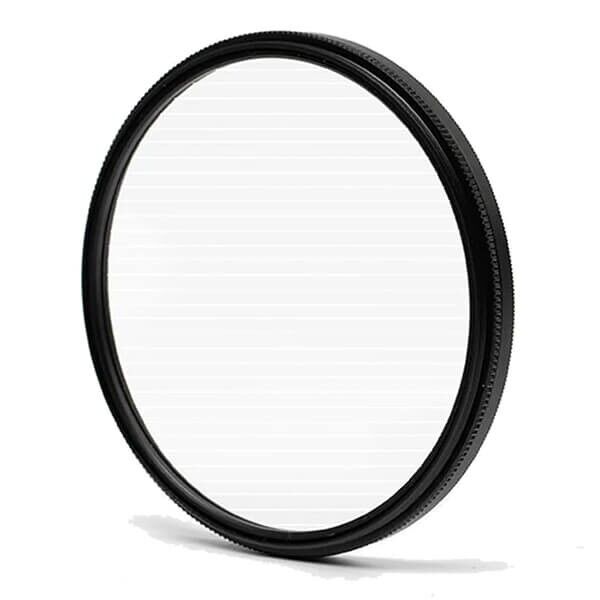
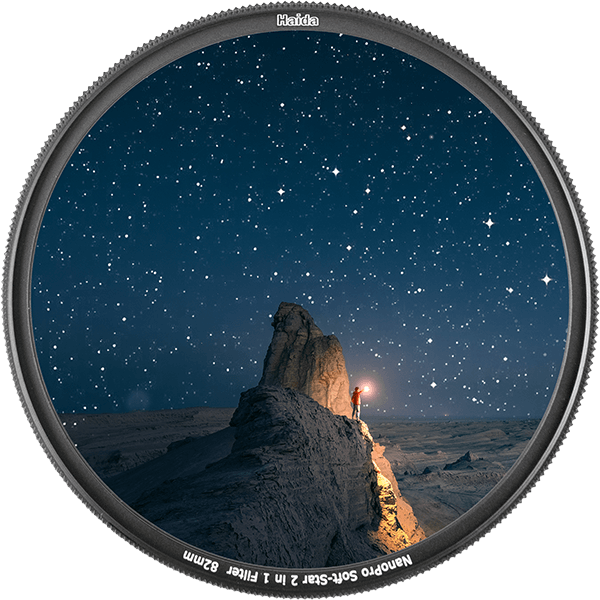
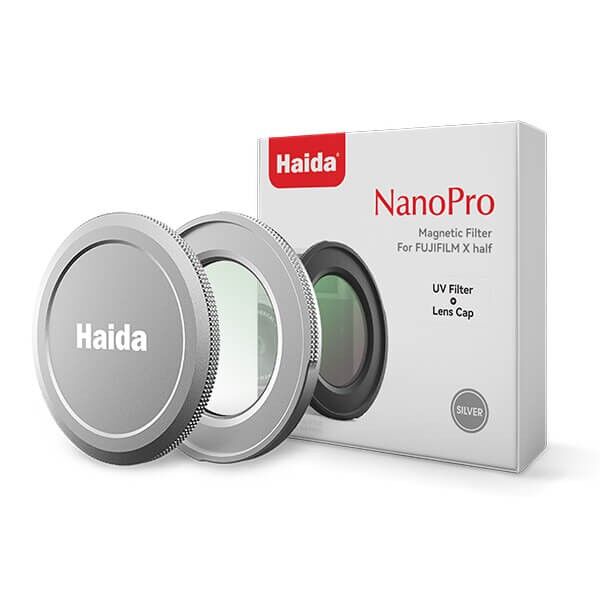
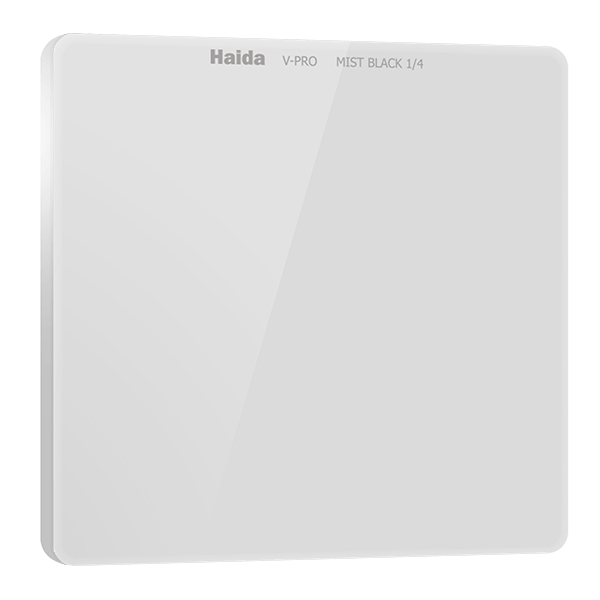
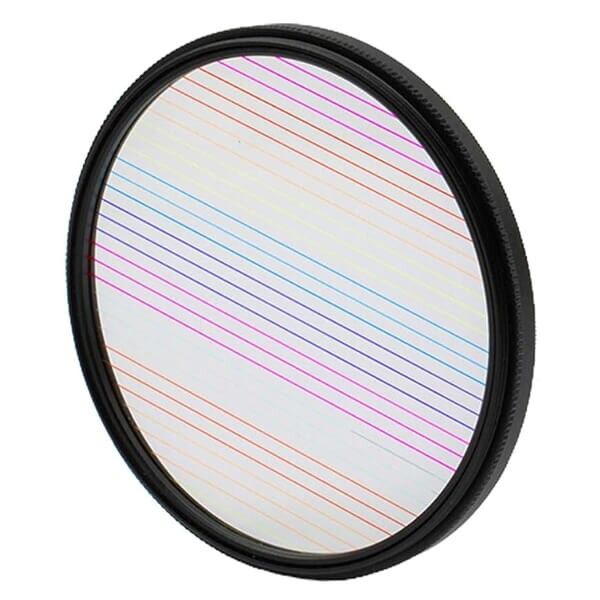
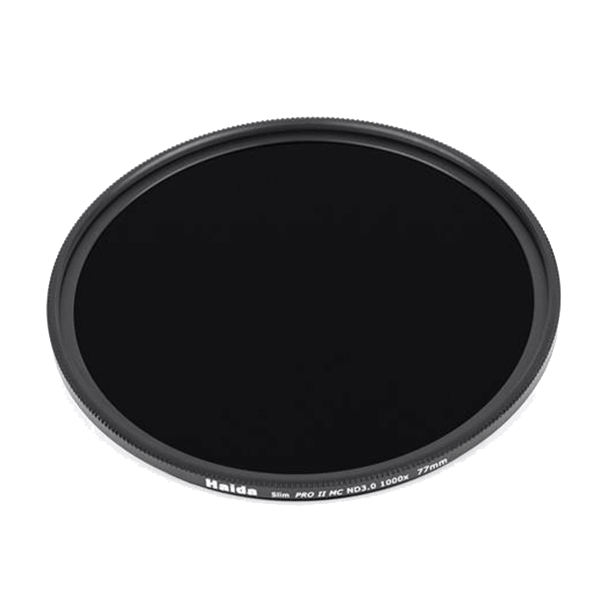
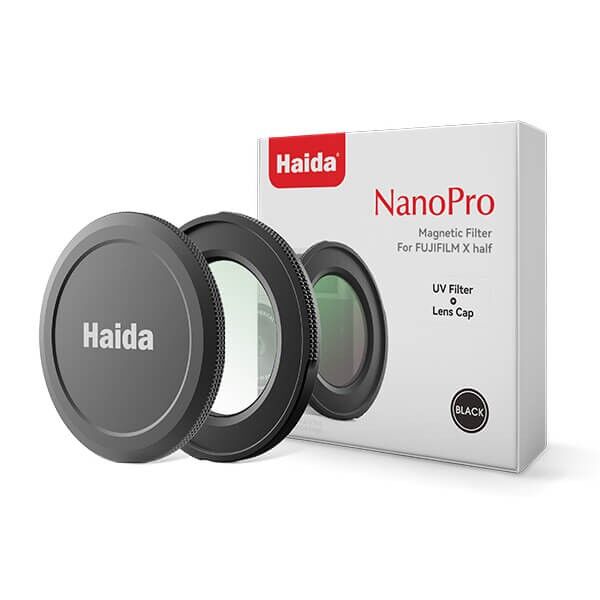
Screw-in filters are the simplest solution: just screw them on, take your photo, and you’re done. No mount, no system, no accessories. Here you’ll find ND filters, polarizing filters, UV and protective filters, black mist filters, and infrared filters from Haida in all standard diameters, plus magnetic versions for quick changes.
Which screw-in filter do you need?
Two to three filters cover almost every situation you’ll encounter in practice. The following overview will help you figure out which one to choose; details are provided in the respective subcategories.
The Selection
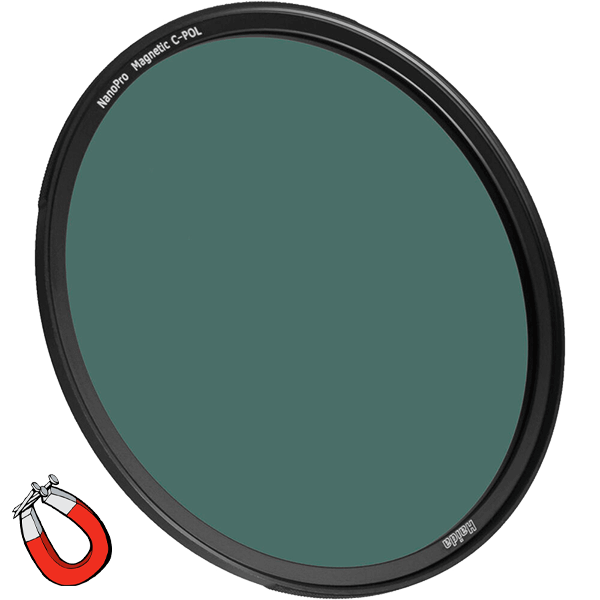
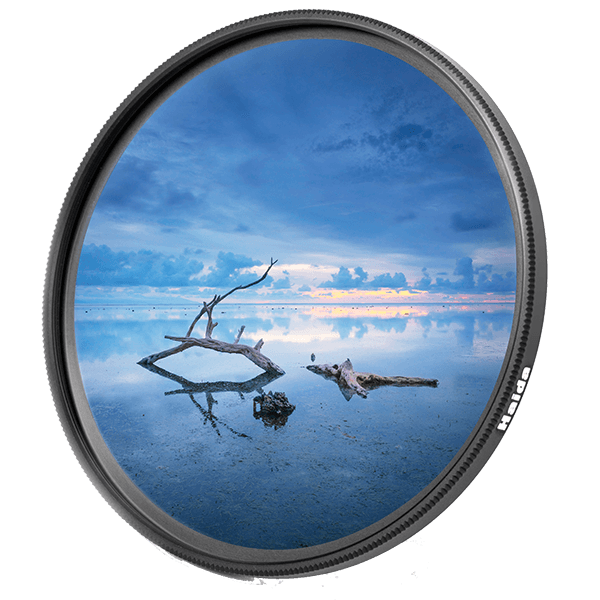
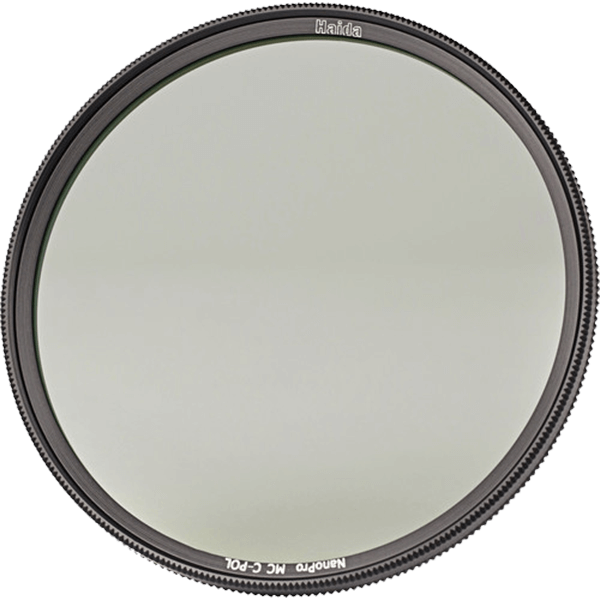
Polarizing filter removes reflections from water, glass, and foliage and makes colors richer. It’s the only filter whose effect cannot be simulated in post-processing. For landscape photography, this is the first filter you should buy.
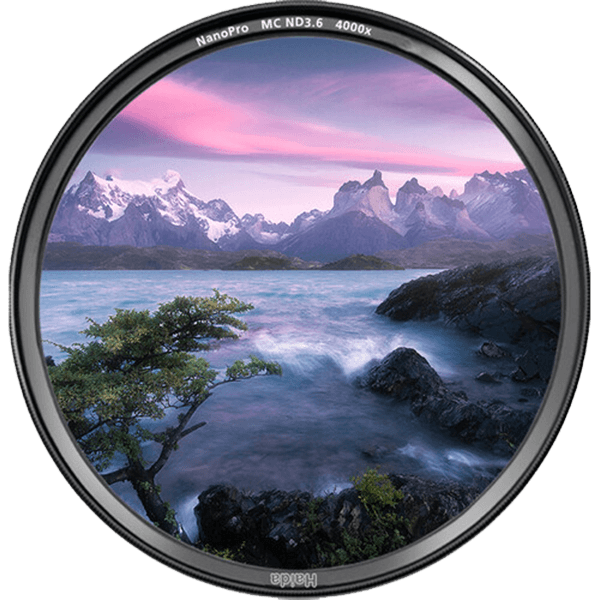
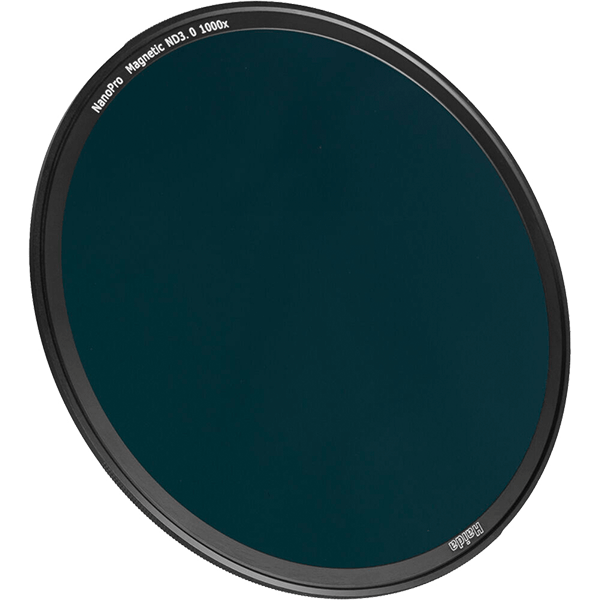
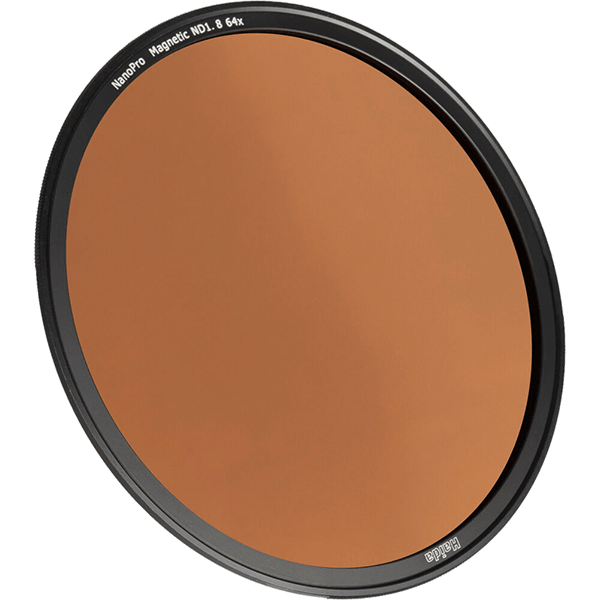
ND filters reduce light and allow for long exposure times in daylight. Ideal for creating a soft, watery effect and capturing moving clouds.
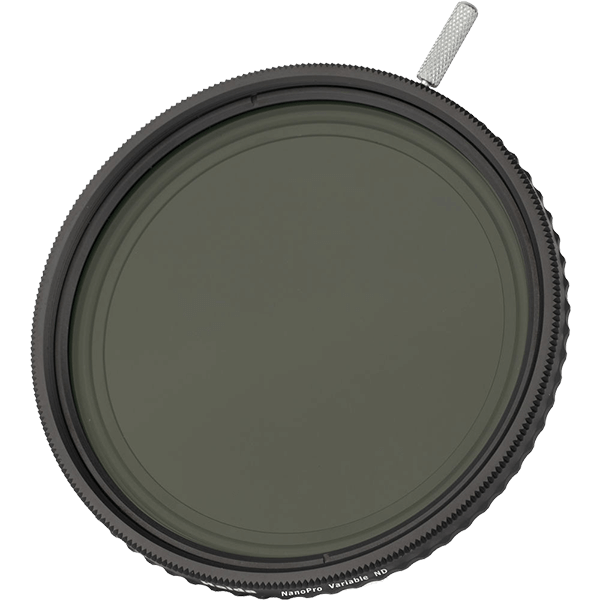
Variable ND covers a wide range of densities in a single filter. Practically indispensable for video shooting.
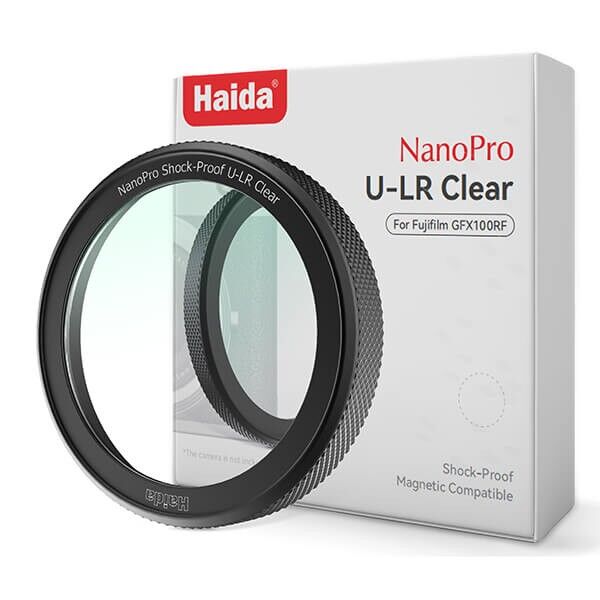
UV and protective filters protect the front lens from dust, sand, and splashes.
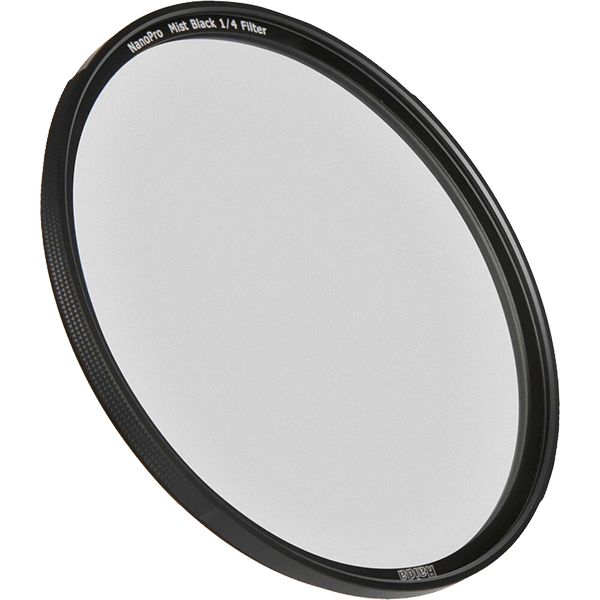
Black Mist tones down highlights and gives the image a cinematic look.
Infrared filters for infrared photography with white foliage and a black sky.
The Right Size
The diameter is marked on the front of your lens after the symbol ø; common sizes are 49, 52, 58, 62, 67, 72, 77, and 82 mm. However, you don’t need to buy multiple filters: Purchase the largest diameter you need and adapt it to all smaller lenses using step-up rings. It doesn’t work the other way around—a filter that’s too small will darken the corners of the image.
Magnetic Instead of Screw-On
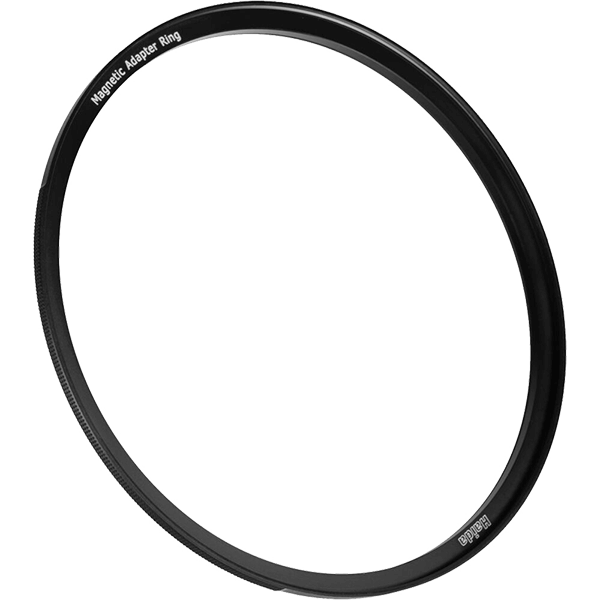
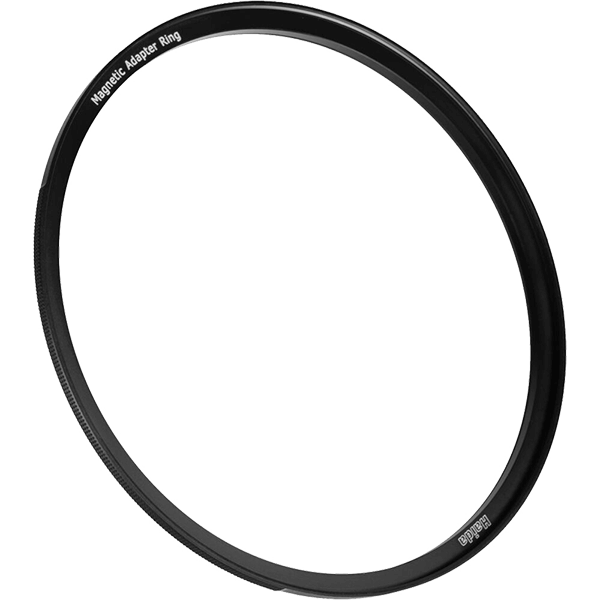
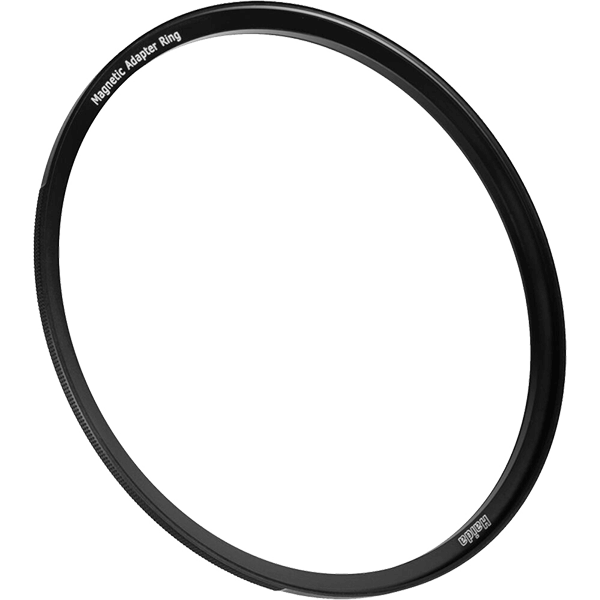
An adapter ring stays permanently in the thread; the filter is held in place magnetically and can be changed in a second. This is worth it if you change the filter density multiple times in varying light conditions, and it prevents filters from getting stuck at an angle and becoming impossible to remove. Available at magnetic filters.
When screw-in filters reach their limits
As soon as you want to combine multiple filters, the stack in front of the lens becomes too high and causes vignetting. And a graduated neutral density filter cannot be shifted to align with the horizon line once it’s screwed on. For both of these situations, you’ll need a slot-in filter system with a holder.