
Gradient Filters and Gray Gradient Filters
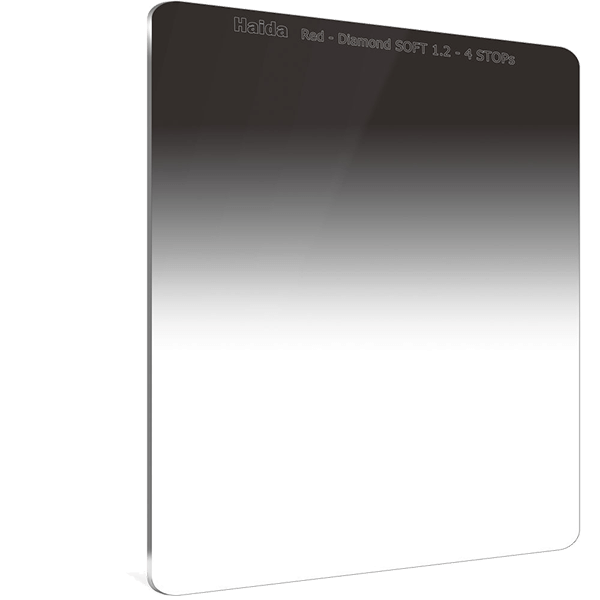
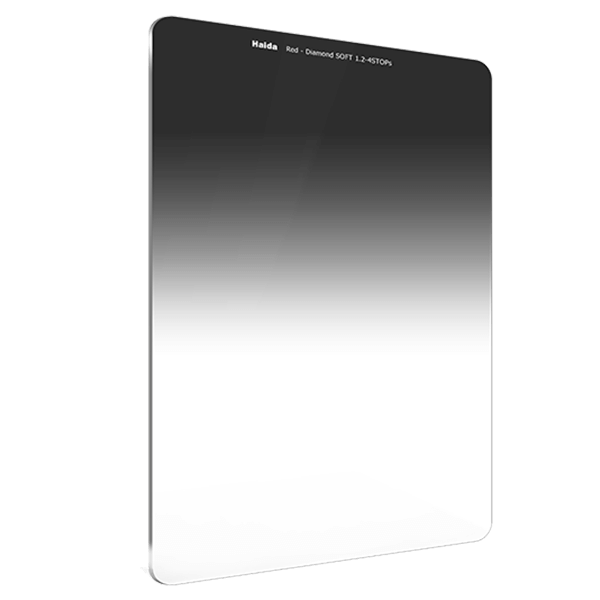
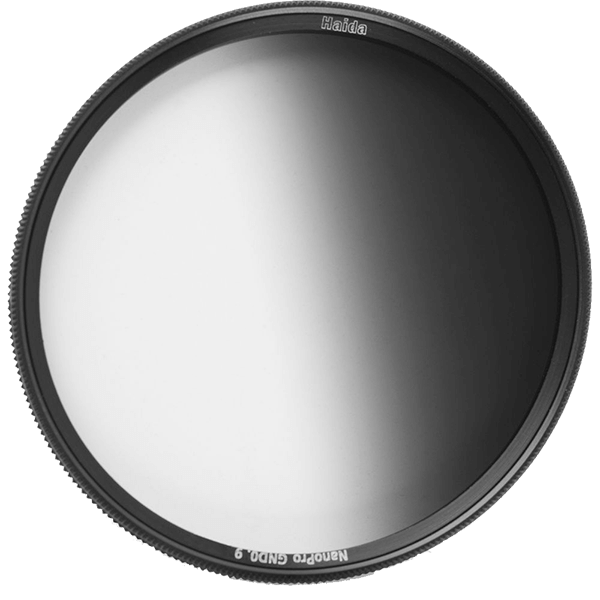
A gray graduated filter is dark on one half and gradually fades to clear on the other. This allows you to darken the bright sky while maintaining the exposure of the foreground. Here you’ll find gray graduated filters from Haida with soft, hard, and reverse gradients, for 100-mm and 150-mm holders, sold individually and as a kit.

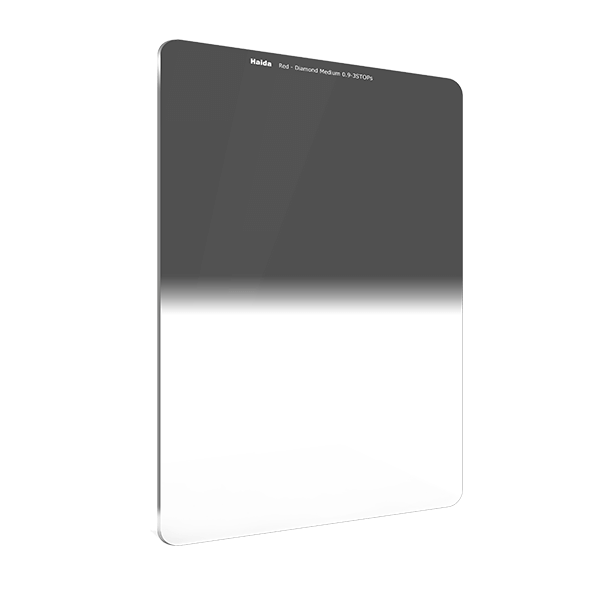
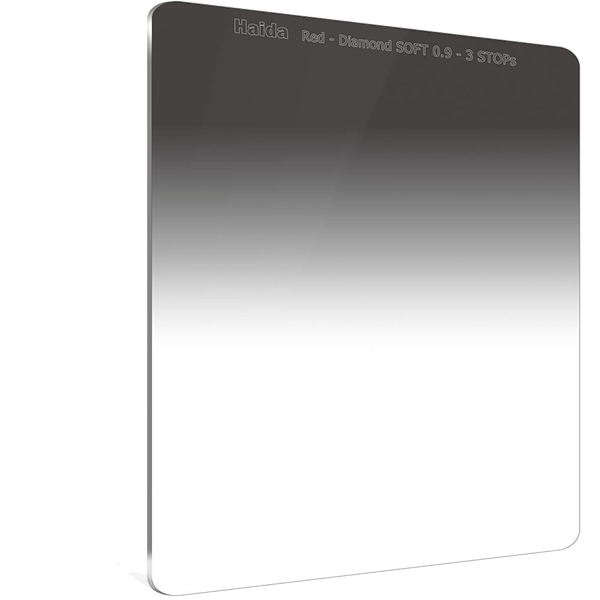
Soft, hard, or reverse gradient?
The difference lies in how quickly the filter transitions from dark to light. That may sound like a minor detail, but it determines whether or not you can see the filter in the image.
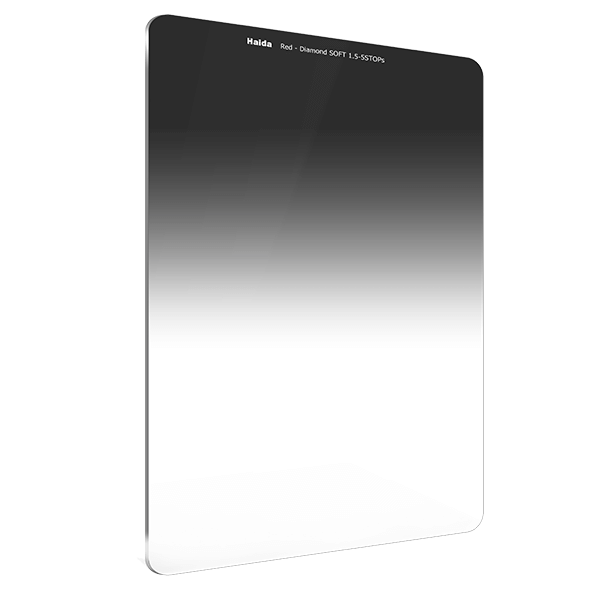
Soft: the soft gradient
The transition extends across a large portion of the filter. This means it remains unnoticeable even if the horizon line isn’t straight. For landscapes with mountains, trees, or buildings rising into the sky, this is the right choice. If you can’t decide, go with Soft.
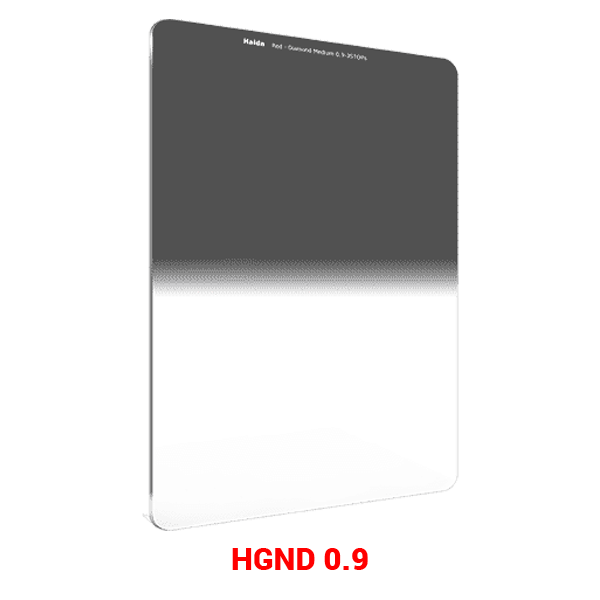
Hard: the hard gradient
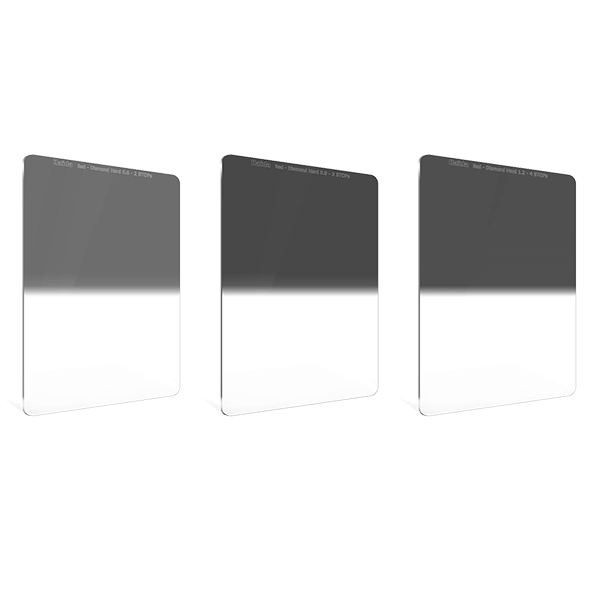
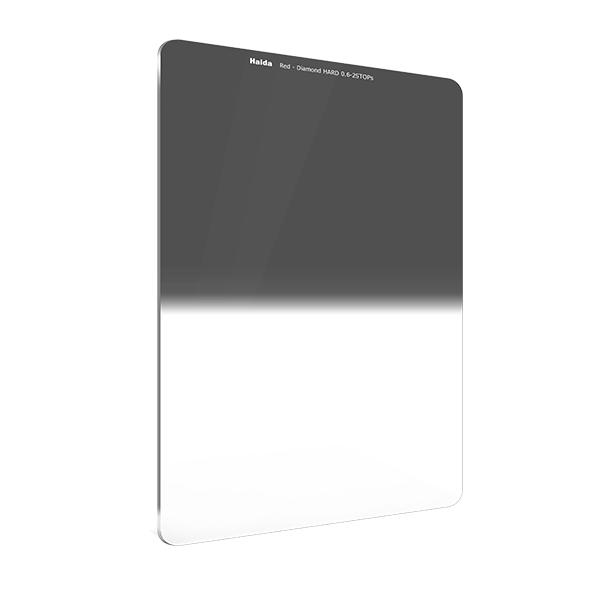
The transition occurs over just a few millimeters. This is more precise and darkens the sky right up to the edge, but requires a straight horizon line. At the ocean, over a lake, or on flat terrain, “Hard” is superior because the sky is darkened evenly all the way to the horizon. If a tree extends into the frame, its upper half suddenly appears dark.
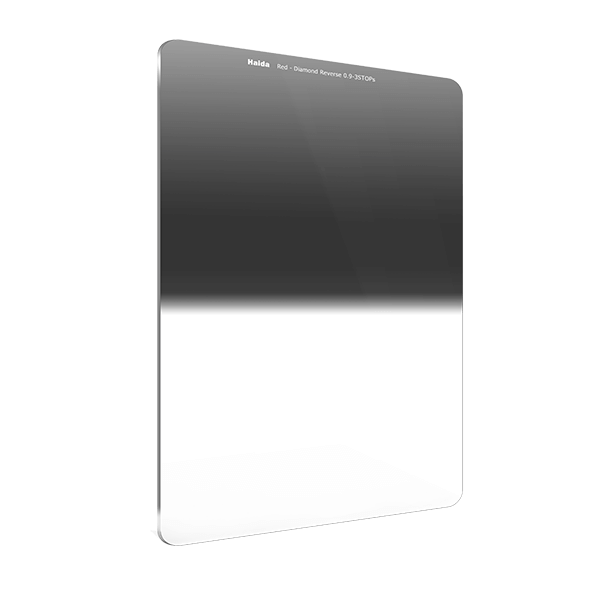
Reverse: for sunsets
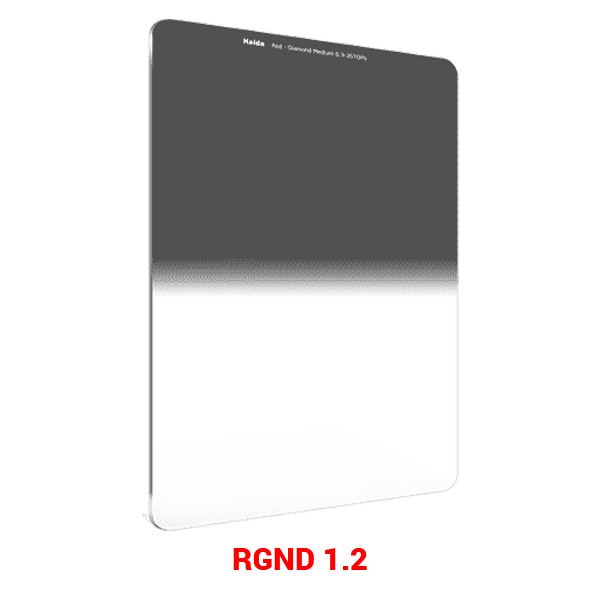
The reverse gradient is darkest right at the horizon and gets lighter again toward the top. At first glance, this seems illogical, but it perfectly matches the situation at sunrise and sunset: The brightest spot in the image isn’t the upper sky, but the sun directly on the horizon. For this specific situation, there’s no better solution.
The Density
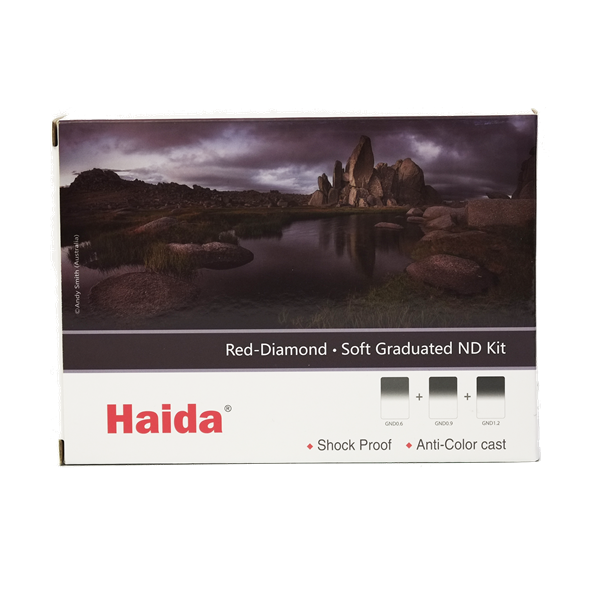
The density is specified: ND0.6 is 2 f-stops, ND0.9 is 3, and ND1.2 is 4. For most situations, a difference of 2 to 3 f-stops between the sky and the foreground is sufficient. If in doubt, expose for both: Expose once for the sky and once for the foreground; the difference in f-stops is the density you need. Kits with multiple densities cover the entire range.
Why Slip-On Filters
Gradient filters only work as slip-on filters in the holder. The reason: The gradient edge must be shifted to align with the horizon line in the image, and that line is rarely exactly in the center of the frame. If screwed onto the lens, the edge would be fixed, and the result would be correct only by chance. In the holder, you slide the filter up or down until the transition is just right, and if the horizon is slanted, you can also rotate it.