


For "ver" the following results were found: 116 products, 4 categories, 2 manufacturers
%
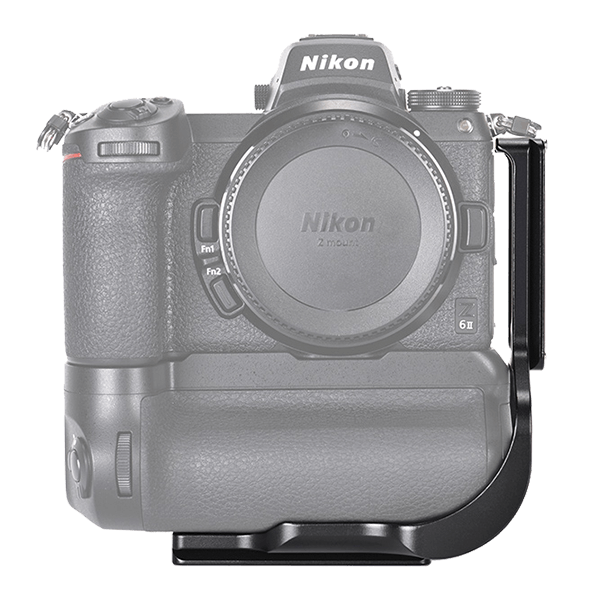
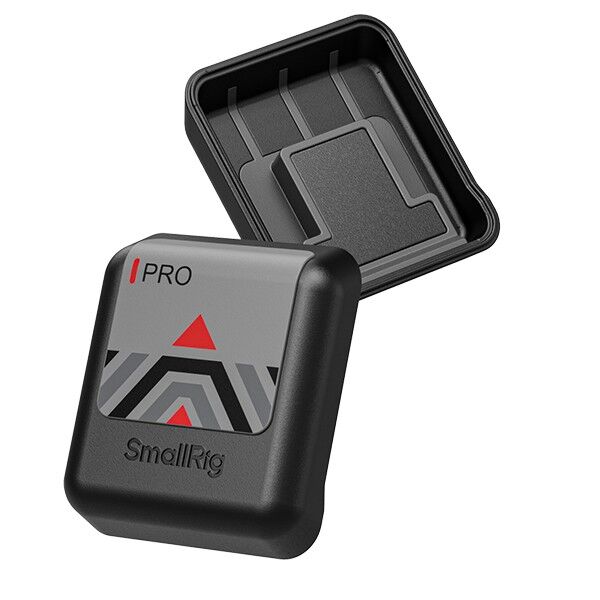
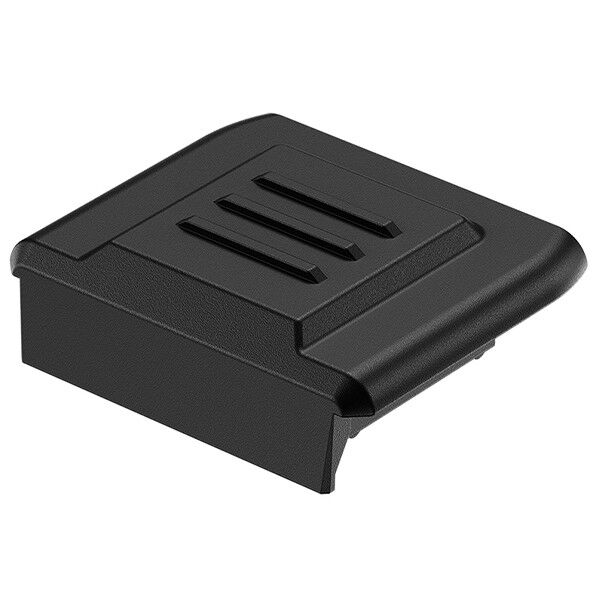
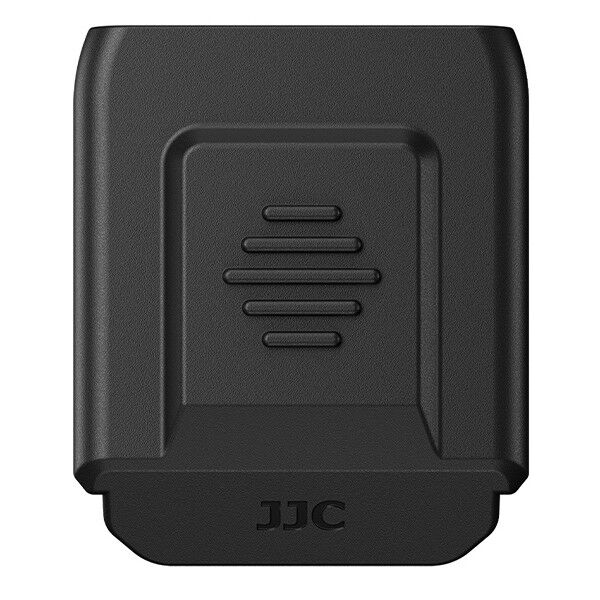
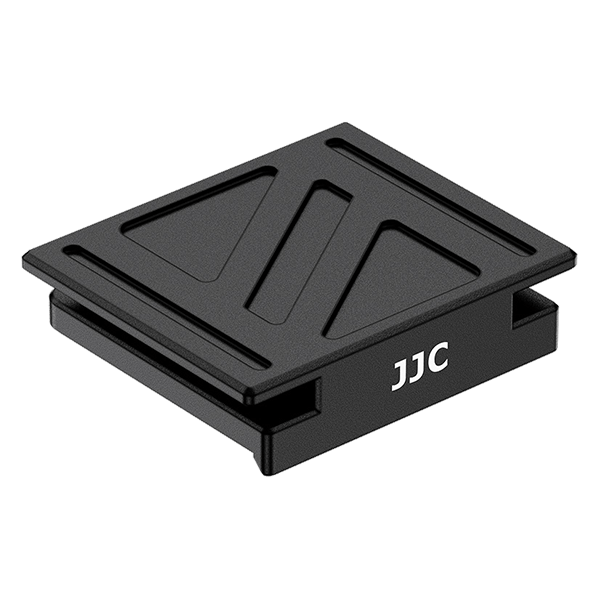
Custom L-Bracket for Nikon Z6 and Z7 Body with battery grip Ver. 2
CHF 74.00* CHF 99.00* (25.25% saved)
Only 3 available
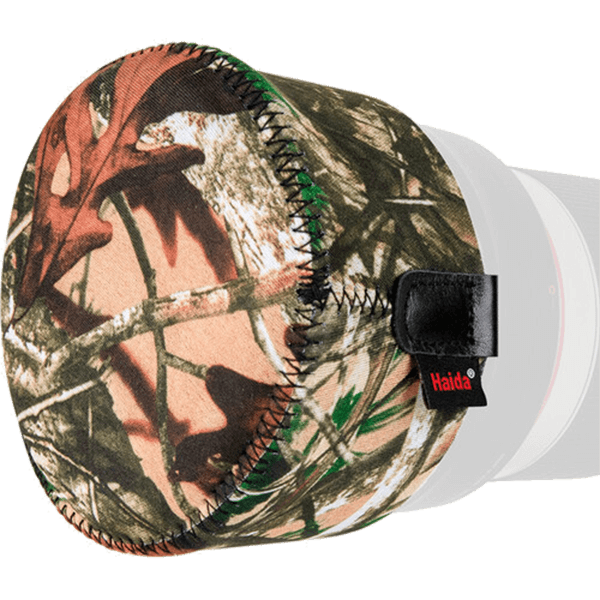
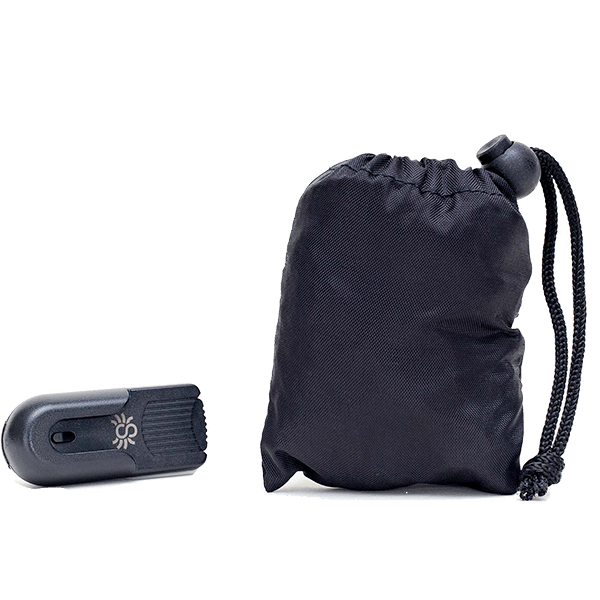
Lens protection cover made of neoprene in camouflage Large 1 from Haida CHF 13.00*
Size: Large-1
Variants from CHF 12.00*
Only 2 available
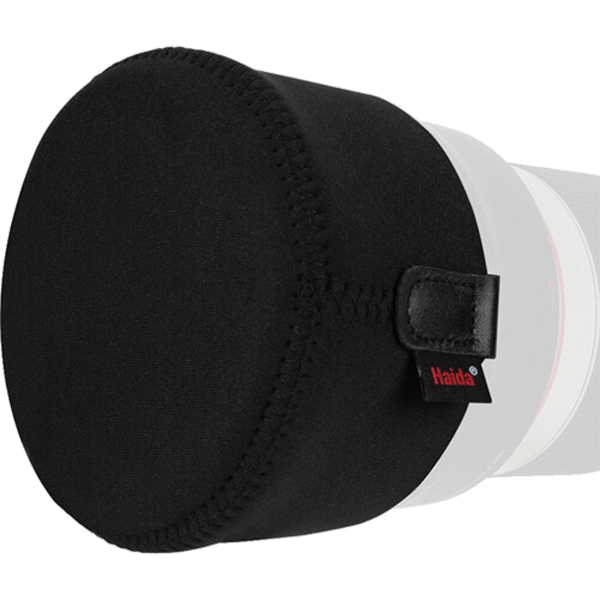
Lens protection cover made of neoprene in black Large 1 from Haida CHF 13.00*
Size: Large-1
Variants from CHF 10.00*
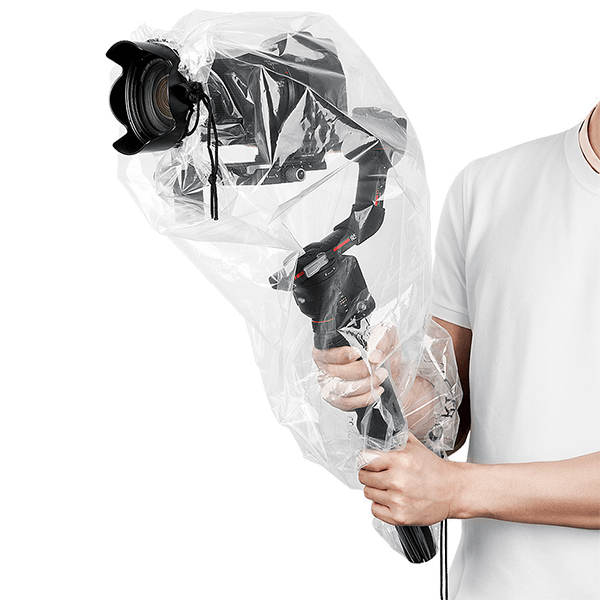
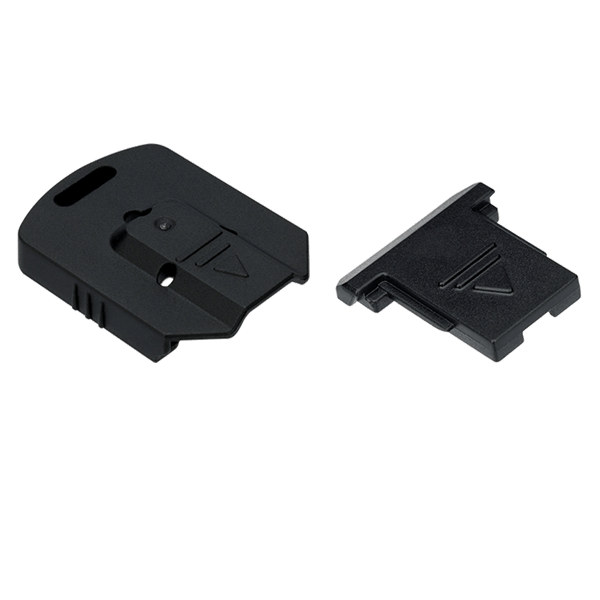
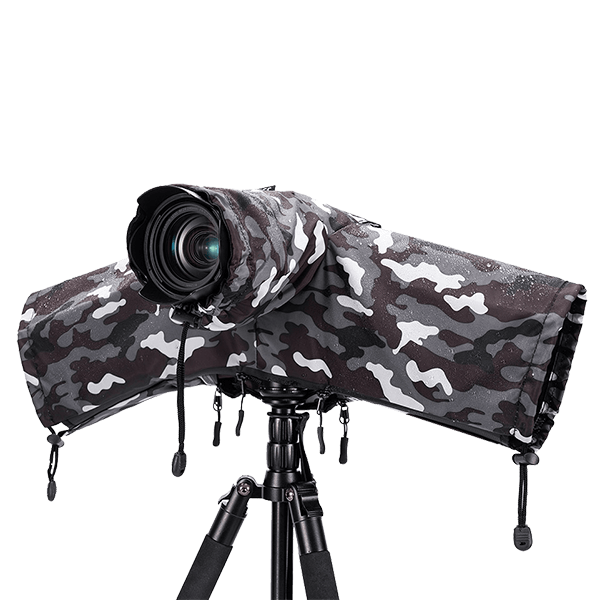
Temporarily Out of Stock
Manufacturer
Categories
Universal rechargeable battery
Rechargeable battery AA and AAA batteries are used in many different devices. In photography, for example, AA batteries are used in Godox remote triggers. AAA batteries are sometimes used in remote triggers from Yongnuo. AA batteries are also frequently used in wireless keyboards, and such lithium-ion batteries are also used in computer mice. The advantage of these batteries is that they can be recharged countless times and therefore have less impact on the environment. Newer batteries can even be recharged via a USB-C connection.
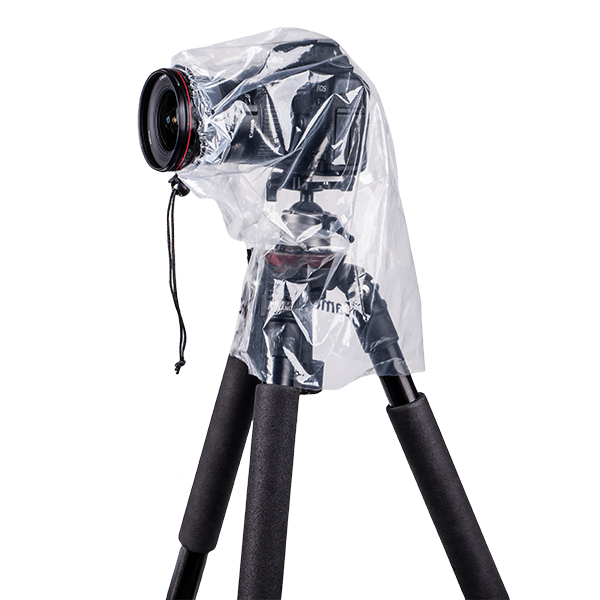
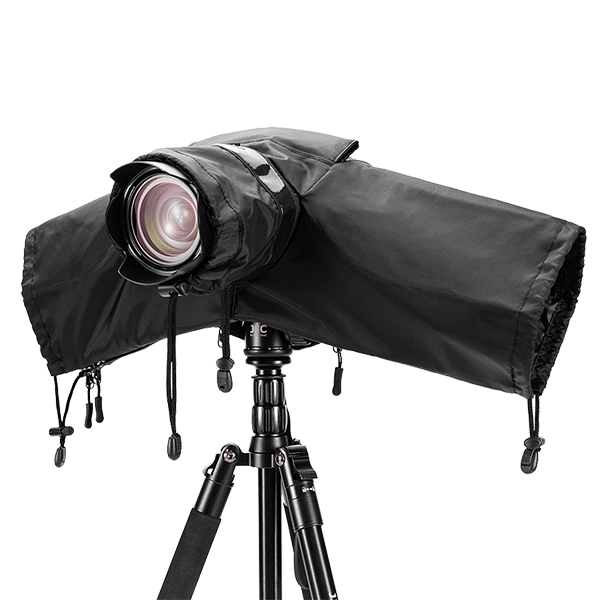
Camera rain cover
Rain cover for camera and lens A rain cover is easy to carry in the bag and can be quickly mounted on the camera when needed. The rain cover protects the camera from rain, dust and fog.
Teleconverter
Teleconverters extend the focal length by a certain extension factor. Two standards have become established: the factors 1.4 and 2. 3x converters are also offered on the market. However, these converters do not offer very good image results and that is the reason why Fotichaestli does not carry them. The teleconverter extends the focal length by exactly this factor. Thus, with a double teleconverter, the focal length of a telezoom 70 - 200 mm can be converted into a 140 - 400 mm focal length. However, the light intensity must then also be taken into account, which also changes. Because it also doubles (factor 2x) and an original starting aperture of 4.0 becomes an aperture of 8.0. A tripod may then have to be used if the exposure time becomes too long. An appropriately up-regulated light sensitivity (ISO) also helps to master this problem. For whom is a teleconverter suitable? Anyone who shoots in good daylight should be fine with a converter and the associated loss of light. However, those who shoot wildlife at dusk may run into limitations. Before purchasing a teleconverter, a typical situation should be photographed as a test to assess up to what aperture can still be worked well. If the limit of the feasible exposure time is exceeded - photographed handheld or with a tripod - one knows that a teleconverter is not a good idea and the money should better be invested in a fast lens. Lenses with focal lengths around 300 mm and a speed of 4.0 are then a good alternative. You can also judge this from photos you have already taken and factor in the light reduction. If it then fits, a converter is a good investment. It is small and compact and fits in any photo bag or backpack.
Reversing Ring
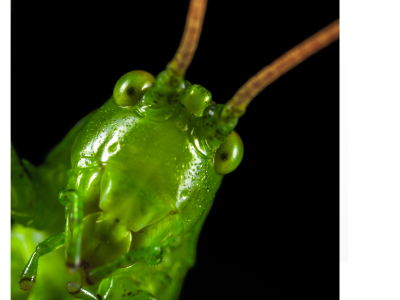
Reverse rings Retroring There are different names for the retroring that can be found on the web. Reverse rings are also called retroring or retroadapter. The principle is simple: you take a lens and turn it around. Turned this way, it is either attached directly to the camera or combined with other lenses or with extension rings and placed in front of the extension rings or lenses. Due to the design, the focal plane is closer at the back of the lens than at the front. By turning the lens, you can get much closer to the object. Reversing rings therefore allow image scales that are significantly larger than 1:1 and you thus enter the realm of microphotography. Compared to close-up lenses, the biggest advantage is certainly that a reversing ring does not interfere with the optical calculation of the lens, since no further optical elements are brought into the optical path. As long as there are suitable reversing rings, you are no longer dependent on the bayonet or the lens brand. Almost any lens of any manufacturer can be mounted with a reversing ring. Lenses in retro position can be combined with other accessories (extension rings or bellows) without major problems. However, not every lens really makes sense. By mounting the lens "upside down", you will also incur some minor disadvantages. Since the bayonet is now on the front side, the lens has no more contact with the camera or with the camera control. Exposure metering is only possible via the working aperture metering, autofocus no longer works and the aperture has to be set manually (lenses without aperture ring are therefore only suitable for the retro position to a very limited extent). There are, however, special solutions that remedy this problem and which we will also present to you in this article. Long focal lengths (telephoto) have a narrow angle of view. The rear lens (pupil) therefore needs a greater distance from the sensor than lenses with a large angle of view (wide angle), whose pupil is much closer to the image sensor. In general, therefore, the following order applies for the suitability as a retro lens: wide angle - normal - telephoto. Wide-angle lenses permit the largest imaging scales. Only extremely short focal lengths (super wide-angle) are out of the question, because they usually have very large and curved front lenses and therefore there is no filter thread to attach such lenses to the camera in retro position. By the way, a good start are the classic KIT lenses (often in the focal length range 18 - 55 mm). But also old lenses, which you can buy for a few francs at the flea market or on ebay, are well suited, as long as they have a filter thread. Especially old lenses still have a mechanically adjustable aperture by means of an aperture ring.