




For "d-ring" the following results were found: 204 products, 5 categories
Or did you mean: d-ring
%
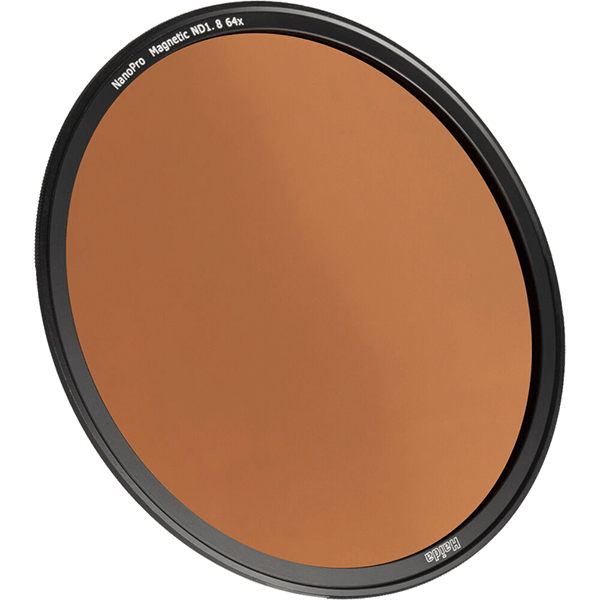
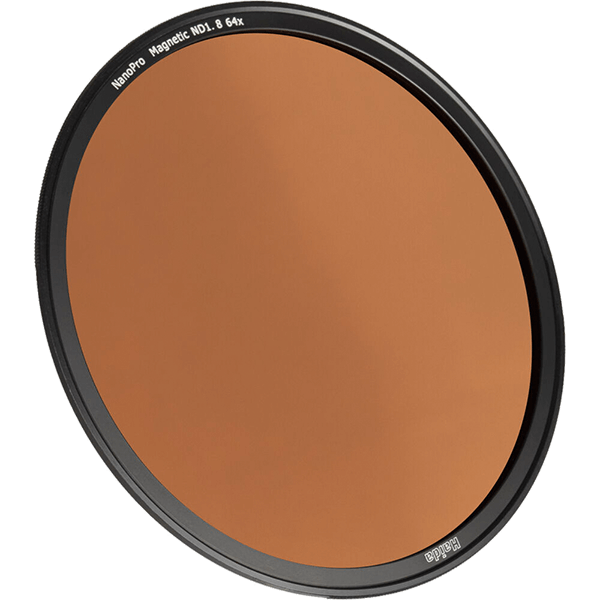
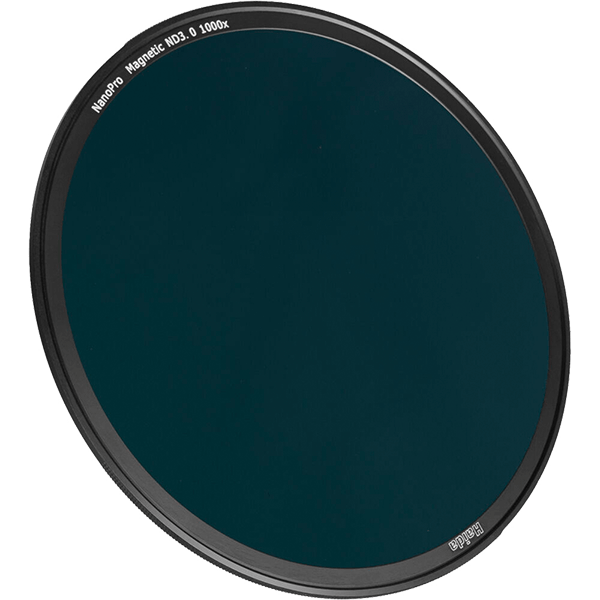
Haida NanoPro Magnetic ND1.8 Filter with Adapter Ring 72 mm
Diameter: 72mm
CHF 69.00* CHF 79.00* (12.66% saved)
Categories
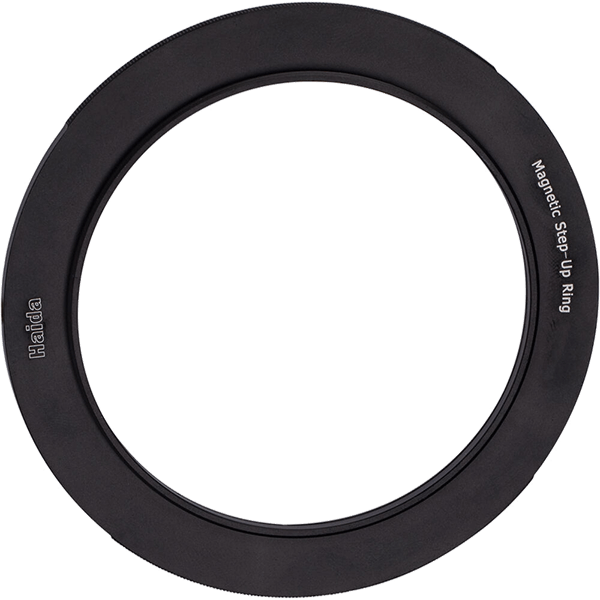
Metal Adapter Ring for 150mm Filter Holder
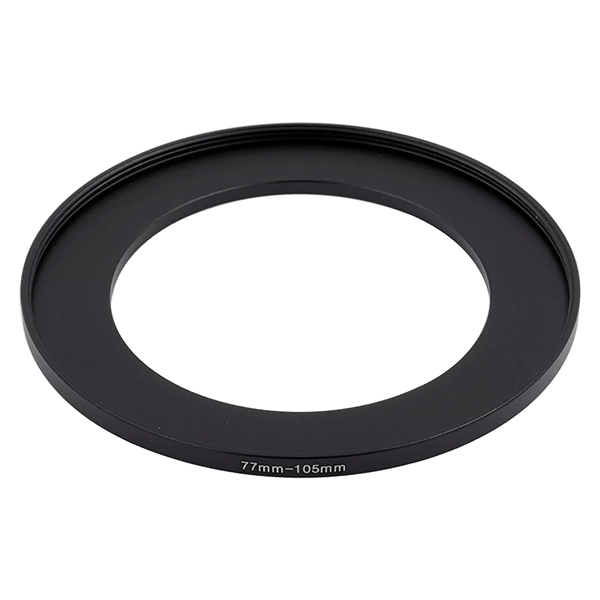
Lens adapter for the Haida 150mm system Here you will find adapters to attach the 150mm filter holder to your lens. We carry the entire range of Haida filters.
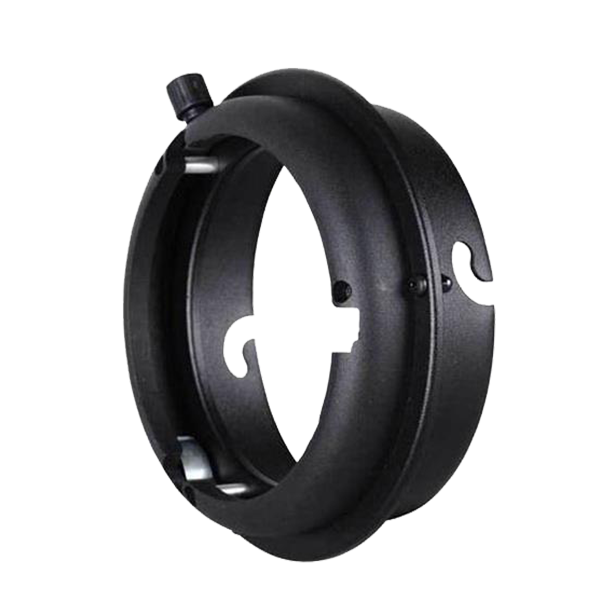
Softbox Speedring Adapter
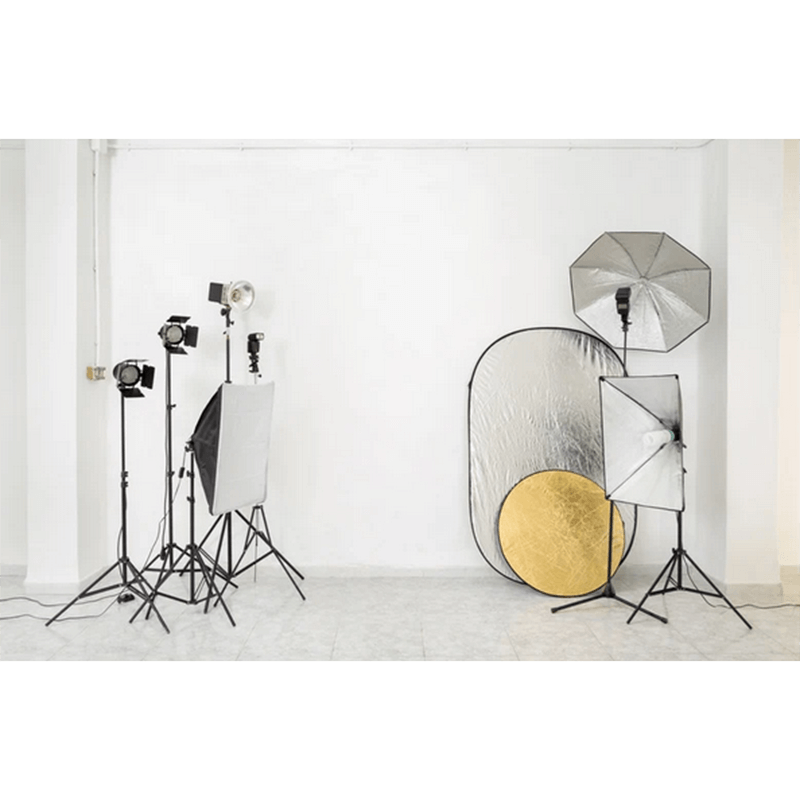
Softbox Speedring Adapter Softbox adapters are suitable for universal use of softboxes. Softbox adapters make Jinbei softboxes suitable for flash heads from other manufacturers. With an appropriate softbox adapter, you can use your Jinbei softboxes on flash heads from numerous other manufacturers. We carry adapters for Elinchrom, Multiblitz, Broncolor, etc.
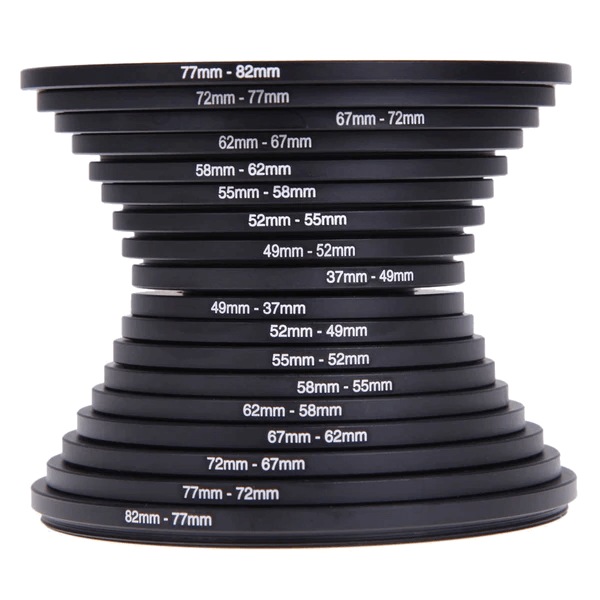
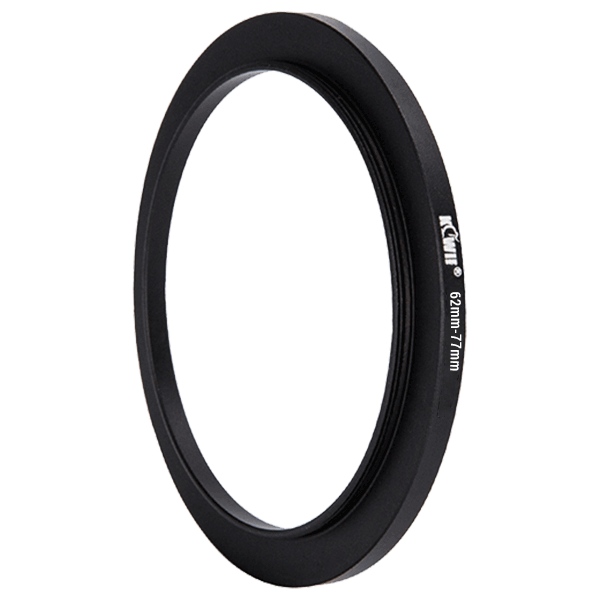
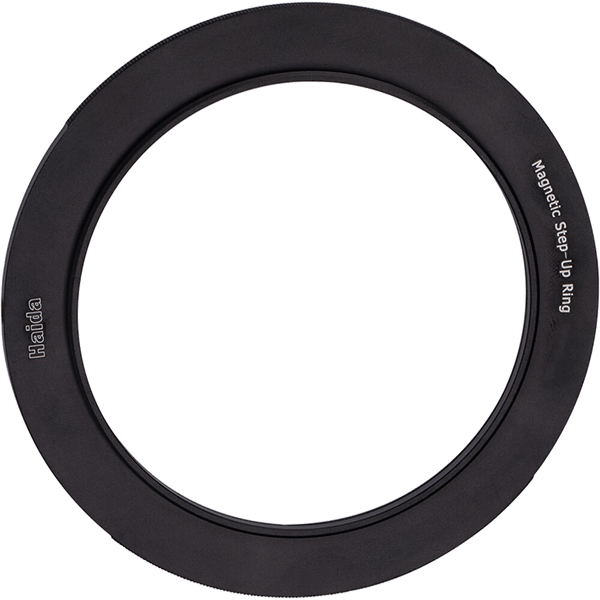
Haida Adapter Ring
Stable adapter ring for the Haida filter holder The adapter ring with a connection thread is made of durable aluminum. With this connection ring, you attach the filter holder to the lens. To avoid reflections, the aluminum ring has a black, matte surface. The connection ring is part of the universal filter system Haid M10 M10-II or Haida M15 for landscape photography. Universal filter system The special advantage of this system is its versatility. The filter, filter holder and matching connection rings are sufficient to use it together with several lenses (and several cameras).
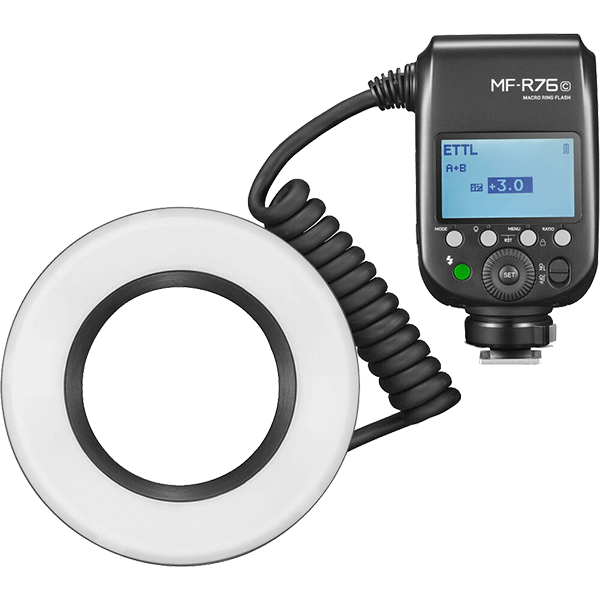
Ringlight
Ring light for photo and video A ring light is an essential piece of equipment. This lighting makes a significant contribution to ensuring that the photo or video recordings are perfectly illuminated and thus create a beautiful motif. The ring light can be powered by rechargeable batteries or directly from the mains via the mains connection. The larger the ring light, the more beautiful the ring effect in the model's eyes. Fünf fun reasons why you absolutely need a ring light: You don't want to look like a zombie: If you shoot without a ring light, you may end up looking like the undead. But with a ring light, you'll look fresh and alert, even if you've been working for three days straight. You don't want to look like an Oompa Loompa: Without ring light, it can be difficult to get the colours right on your model. But with ring light, all the colours look as they should - without you accidentally turning a person into a carrot. You don't want to cast shadows: If you work without a ring light, you may end up casting unwanted shadows. But with ring light, there are no more shadows - unless you want them. Don't be a lost sheep: If you're working without a ring light, it can be difficult to light your model's face perfectly. But with a ring light, you always have full control over the light - and never look like a lost sheep again. You don't want to look like an alien: If you work without a ring light, your eyes may look red or yellow. But with a ring light, your eyes will be so bright and beautiful that you'll look like an alien - but in a good way. So, what are you waiting for? Buy your ring light now and avoid looking like a zombie, oompa loompa, shadow warrior, lost sheep or alien!
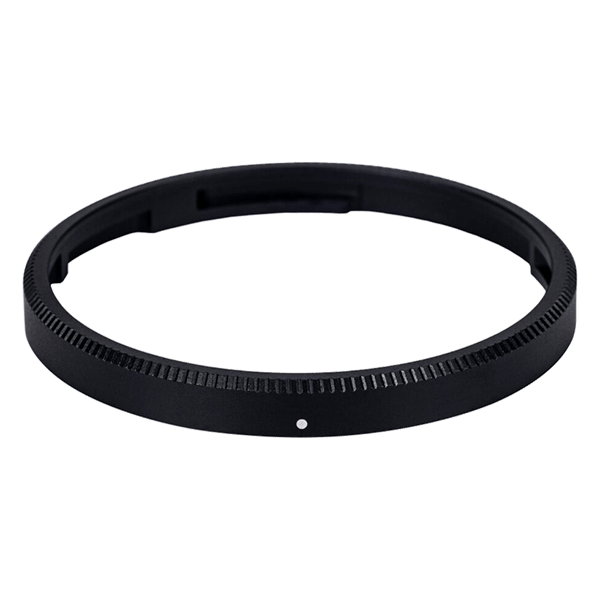
Reversing Ring
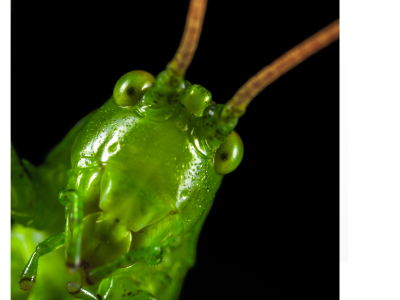
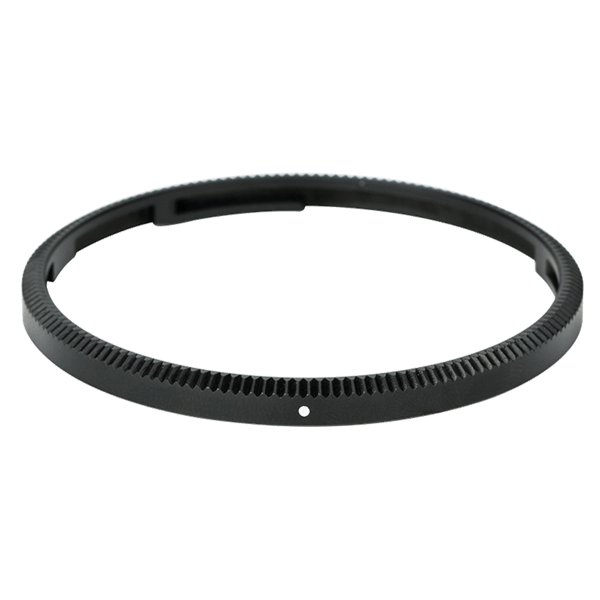
Reverse rings Retroring There are different names for the retroring that can be found on the web. Reverse rings are also called retroring or retroadapter. The principle is simple: you take a lens and turn it around. Turned this way, it is either attached directly to the camera or combined with other lenses or with extension rings and placed in front of the extension rings or lenses. Due to the design, the focal plane is closer at the back of the lens than at the front. By turning the lens, you can get much closer to the object. Reversing rings therefore allow image scales that are significantly larger than 1:1 and you thus enter the realm of microphotography. Compared to close-up lenses, the biggest advantage is certainly that a reversing ring does not interfere with the optical calculation of the lens, since no further optical elements are brought into the optical path. As long as there are suitable reversing rings, you are no longer dependent on the bayonet or the lens brand. Almost any lens of any manufacturer can be mounted with a reversing ring. Lenses in retro position can be combined with other accessories (extension rings or bellows) without major problems. However, not every lens really makes sense. By mounting the lens "upside down", you will also incur some minor disadvantages. Since the bayonet is now on the front side, the lens has no more contact with the camera or with the camera control. Exposure metering is only possible via the working aperture metering, autofocus no longer works and the aperture has to be set manually (lenses without aperture ring are therefore only suitable for the retro position to a very limited extent). There are, however, special solutions that remedy this problem and which we will also present to you in this article. Long focal lengths (telephoto) have a narrow angle of view. The rear lens (pupil) therefore needs a greater distance from the sensor than lenses with a large angle of view (wide angle), whose pupil is much closer to the image sensor. In general, therefore, the following order applies for the suitability as a retro lens: wide angle - normal - telephoto. Wide-angle lenses permit the largest imaging scales. Only extremely short focal lengths (super wide-angle) are out of the question, because they usually have very large and curved front lenses and therefore there is no filter thread to attach such lenses to the camera in retro position. By the way, a good start are the classic KIT lenses (often in the focal length range 18 - 55 mm). But also old lenses, which you can buy for a few francs at the flea market or on ebay, are well suited, as long as they have a filter thread. Especially old lenses still have a mechanically adjustable aperture by means of an aperture ring.