

For "ns-oa1" the following results were found: 303 products, 12 categories, 2 information
Only 2 available
%
Categories
Lens Plates
Lens plates especially for telephoto lenses The adapter plates are slightly longer than normal quick release plates. They are attached to the tripod base of the telephoto lens and usually also have a stop on one side. The length of the quick release plate makes balanced mounting on the ball head of the camera tripod a breeze.

Filter and Lens
Optical filter systems in photography The precise selection of filters enables you to perfect any type of photography - from breathtaking landscape shots to expressive portraits and creative works of art. Why do you need photo filters? Optimise colours, contrasts and add creative effects to your shots with our extensive range of photo filters. Discover the variety of carefully selected UV, polarisation, ND, graduated, colour, infrared and close-up filters. We offer photographers of all experience levels the highest quality and innovative filter technologies. Our Haida filters are designed to precisely realise your photographic vision and help you create unique and stunning images. Discover the right filters to express your creative ideas in photography
Lens Hoods
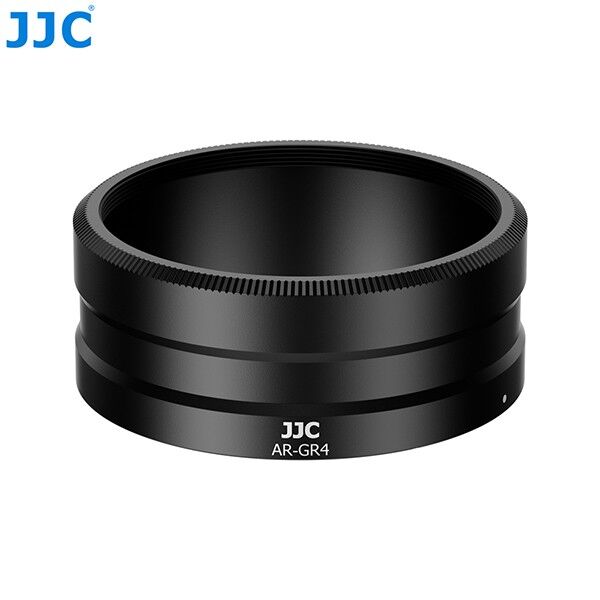
Lens hood or lens shade Lens hoods are much more than a sunshade and absolutely belong on every lens - regardless of whether there is a low sun at the moment or not. Any light source is a double-edged sword in photography - because when light hits the lens at an unfavorable angle, disturbing flares occur and contrasts are lost. That's why a lens hood is always a good choice when there are electric light sources in the room. In addition, they provide excellent protection against damage to the lens, as they overhang the front element of the lens.
Lens Adapters
Lens adapter A lens adapter is a component with which a lens can be attached to a camera body, although the lens and the camera body do not have the same bayonet or thread. In other words, it is possible to use an old Contax Yashica Zeiss lens on a current Sony A7 III. Since the aperture and focus can be adjusted manually with such a lens, the old lens can be used without restrictions. There are lens adapters with or without data transfer. With the transfer of all automatic functions, it is possible to control the aperture of the lens via the camera and the Exif data is correctly stored in the image data. Autofocus is also supported, but our experience is that it is not as fast and accurate as when the lens is used regularly on the right camera without a lens adapter.
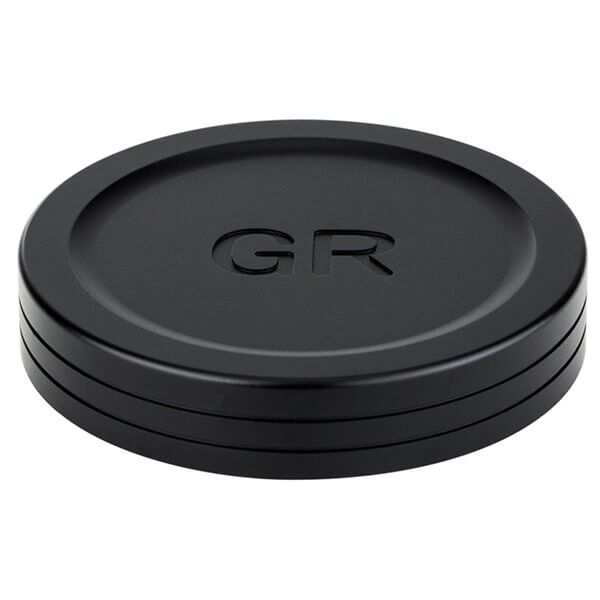
Lens Caps
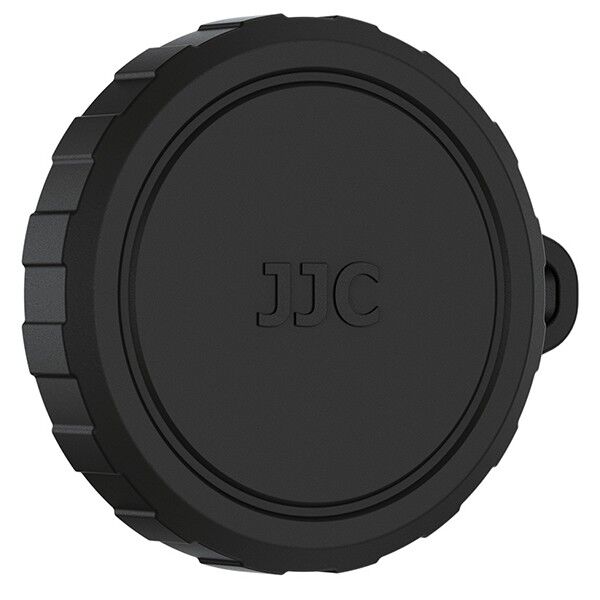
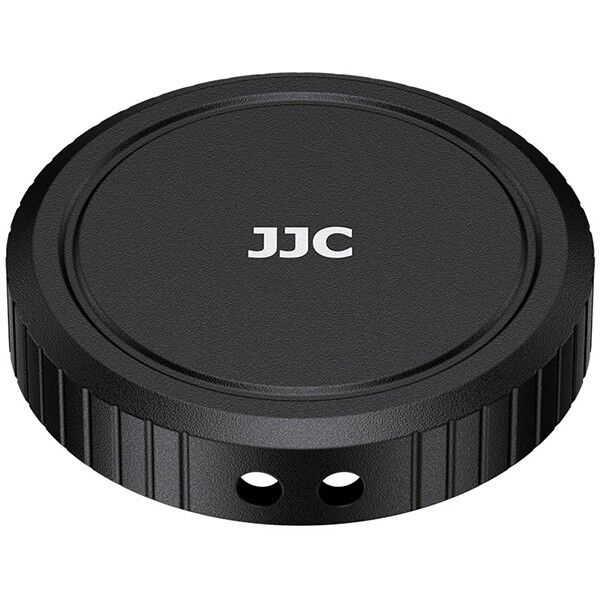
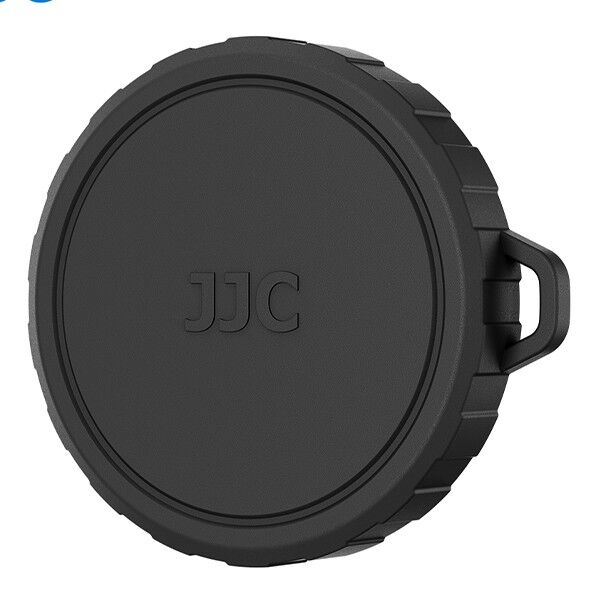
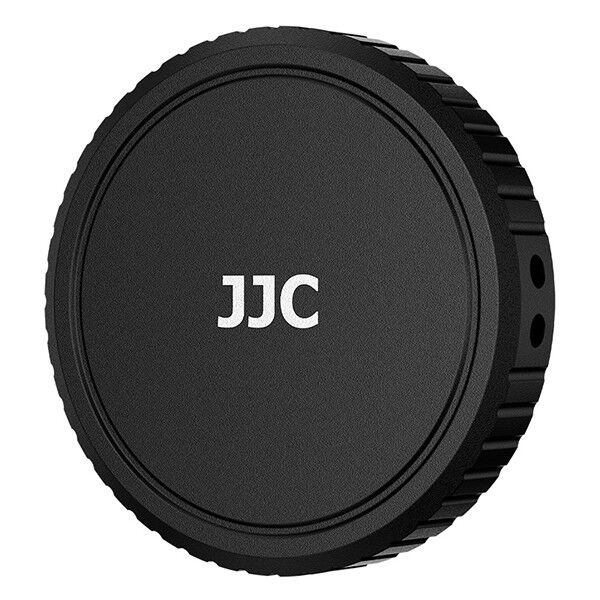
Universal Easy-Snap lens cap with two-finger pressure principle The Universal Easy-Snap lens cap made of sturdy plastic easily snaps into the filter thread of the lens thanks to the two-finger pressure principle and - very practical - the cap can be used together with a lens hood. The protective cap is indispensable for transport and storage and protects the lens front element (with or without filter) from dust, dirt, scratches and moisture. A safety cord prevents loss of the cap.
LED Studio light with Bowens bayonet
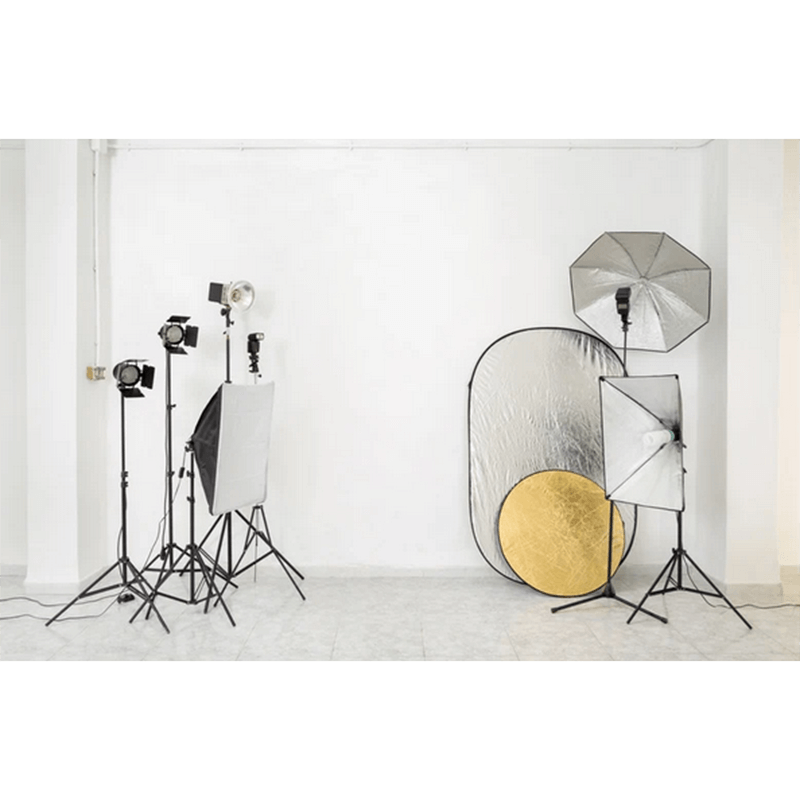
Studio light with Bowens connection Shooting with continuous light or flash? Quite a few experts have racked their brains over this question. Both types of lighting have strengths and weaknesses, which depend on the respective task and subject. Innovative studio lights with LED technology Flash light has dominated photography until now. The new LED technology has now made the studio light much more attractive, as it overcomes the shortcomings of the „conventional“ continuous light. LED studio lights have found friends in sensitive portrait and animal photography as well as in macro and product photography. LED lights are increasingly being used for parallel shoots, photos and making-of videos. In the field of videography, there is no alternative to a studio light anyway. Our continuous lights from Godox, Jinbei and Yongnuo are equipped with the latest LED technology. Benefit from this innovative technology with impressive advantages: constant control over subject illumination, more relaxed working for photographer/videographer and model reproducible work guaranteed an LED light with 100 watts is just as bright as a conventional 1000 watt halogen lamp targeted adjustment to the subject narrow light shapers and foils can be used, no lead or lag times up to 90 per cent reduced power consumption ideal for video recordings up to 100,000 operating hours
Haida Neutral Density Filter
ND filters in landscape photography: the most important information Neutral density filters (ND filters) are an indispensable tool in landscape photography. These filters reduce the amount of light without changing the colours. By reducing the light intensity, ND filters enable longer exposure times in daylight, which leads to spectacular effects in your shots. Why do we use ND filters? The exposure time is extended One reason for using ND filters is the ability to extend the exposure time. It is particularly useful for documenting movement in your images, such as flowing water or drifting clouds. A longer exposure time gives your landscape photos a soft, flowing expression. Control over lighting ND filters also give you more control over the exposure of your images. In situations with strong sunlight, it can be difficult to achieve a correct exposure. The problem can be solved with an ND filter by reducing the amount of light emitted by the sensor. This allows you to work with larger apertures, resulting in a shallower depth of field and better background blur.
Flash Radio Transmitters
Remote flash triggers transmit over long distances The remote flash control consists of a transmitter for operation and a receiver, which is usually already present in the receiver flash. Particularly advantageous with them is that: no direct visual contact is required between the transmitter and receiver massive obstacles do not restrict its operation it works over long distances (usually up to about 100 meters) there are no cables lying around The flash remote control is a real multi-talent and can be used for the most part in manual and TTL mode. It often also offers a multi-flash mode. High-speed synchronisation up to 1/8000 second is also no particular challenge for many of these remote controls.
Sensor cleaning system for digital camera
Utensils for cleaning the camera's sensor Every digital camera with interchangeable lenses has the problem that the statically charged image sensor can become soiled by dust. As a camera owner, you should be prepared to check your camera sensor every 1-3 months and "dust" it off if necessary. It is usually sufficient to blow off the camera sensor with a blower, with the sensor pointing downwards so that the dust can fall out. If there is still dirt on the sensor after two or three cleanings, the sensor must be wet-cleaned.
Transport Bags
Transport and storage A carrying case is great for transporting products from your photo studio onto a set. Photo backgrounds can also be transported in such bags. Most transport cases can hold two to three studio lights including tripods and light shapers. For the transport of small accessories, these transport cases also have small pockets for cables, memory cards or the like.
Extension Tube
Extension rings for macro photography An extension ring is simply a hollow cylinder that slides between the camera and lens, moving the lens further away from the sensor. This extra distance allows the lens to focus more precisely, which in turn offers more magnification possibilities. Unlike many macro accessories, extension rings do not add any extra optics and are therefore relatively inexpensive and simple. They can be used individually or together. Since extension rings attach to the bayonet of the lens, they can be used with different lenses. Unfortunately, this is not possible with products that are attached to the filter thread. This is a clear advantage of extension rings. These extension rings are available in the simple form without data transmission; they are particularly suitable for older lenses that have a manual aperture. For lenses that have an electronic aperture control, the so-called automatic extension rings are more suitable. With these, the aperture can be set in the camera.
Lens adapter for M10 system
Lens adapter for Haida M10 & M10-II - your perfect connection for creative filter photography With the right lens adapters, you can connect your Haida M10 or M10-II filter holder securely and precisely to your lens. The adapter rings are an indispensable filter accessory if you work with graduated filters, ND filters or polarizing filters and rely on reliable technology. Our adapters are made of high-quality, anodized aluminium and are available in many common thread sizes from 49 mm to 82 mm. So you are guaranteed to find the right connection for your lens. Installation is quick and tool-free - perfect when every second counts outdoors. Whether for landscapes, long exposures or creative effects - with the right lens adapter, your filter holder is secure, light-tight and stable. You can switch flexibly between different lenses and make optimum use of your Haida filter system. Buy the right lens adapter now and complement your equipment perfectly - for more creative control and razor-sharp results in every shooting situation.
Information
Frequently asked questions
Frequently asked questions How quickly will my emails be answered? We are happy to answer your e-mail within 48 hours on working days (Monday-Friday). Will you make me an offer? We invest a lot of time and effort in our webshop. You can put together a quote via your shopping basket. Are there any discounts or price reductions? We calculate our prices very precisely and base them on market prices, incidentally also with regard to Germany. We therefore do not grant any discounts. What is the best way to contact you? The best way to contact us is by e-mail. Do you really have everything in stock? YES. We have everything in stock that is labelled "in stock, immediately available" in our online shop. Unless we have an error in stock, which can happen. Rarely, but possible. How fast do you dispatch? We are as fast as Speedy Gonzales: if the order and the money are received by 3.00 pm, we dispatch on the same day. The rest is done by the post office. If you pay in advance, we dispatch on the day we receive payment. You can read more about thishereWhat to do in the event of defective products, complaints and returns?In such cases, please contact us directly via the contact form on our main page under the heading Service hotline. To ensure that the process runs as smoothly and quickly as possible, please describe your complaint as precisely and in as much detail as possible. Why do you charge a flat-rate service fee? We charge a service fee of CHF 9 for orders with a value of less than CHF 100. The cost of processing the order is the same for every order process. No matter how high the order value is. We want to continue to offer fair prices for everyone. Can I order on account? No, you can pay in advance by credit card, Paypal, e-finance, Twint and bank transfer. We make an exception for public institutions such as colleges, schools, hospitals and universities. In this case, please contact us by email.Why don't you deliver to Germany/Austria?Switzerland is an island within the EU and not a member state. That means it's complicated. Postage costs are high and everything has to be cleared through customs. Therefore, we only ship within Switzerland/Liechtenstein. We kindly ask you not to trick our system by placing an order and entering a Swiss country code. We will not accept an order placed in this way and will cancel it.Keyword: GDPR Collection vs. consultation You can pick up your desired items during our opening hours. As we want to keep our prices competitive, we cannot provide resources for comprehensive advice. We are happy to answer questions about products, but we cannot answer questions about photographic challenges. We recommend tutorials on YouTube or attending photography courses. Can I try out the products in the shop? We have some products on display in the shop. New products cannot be unpacked and tested, otherwise we can no longer sell them as new. For bags, you are welcome to try out the exhibitors to see if your equipment fits in. It's easy to make mistakes. We have extra exhibitors of all bags on the shelf. What should I do if my parcel has been damaged by the post? Despite all the care we take when packing your order, there is still a certain residual risk. If you receive a damaged parcel, please check briefly whether the contents have also been damaged. If so, take the parcel to your post office as you received it. The staff there must determine and record the damage. Only then can compensation be initiated.