06/03/2026
Lens Adapters – Explained Simply
How lens adapters work
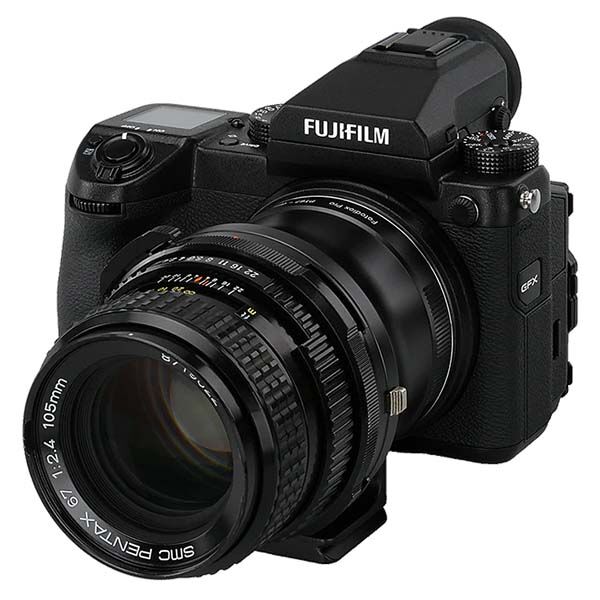
Lens adapters are small, unassuming accessories—yet incredibly practical. They allow you to use lenses from different manufacturers or systems on a camera for which they were not originally designed. Especially in the age of mirrorless cameras, lens adapters are becoming increasingly important. But what exactly are they, who should use them, and what should you look out for? In this article, we explain the topic of lens adapters in a simple and easy-to-understand way.
Who uses lens adapters?
Owners of older lenses from the analog era
Photographers switching to a new camera system
Creatives who consciously work with manual focus and image style
Videographers who use cine lenses
In short: Anyone who wants to get more out of their existing equipment will benefit from lens adapters.
What is a lens adapter?
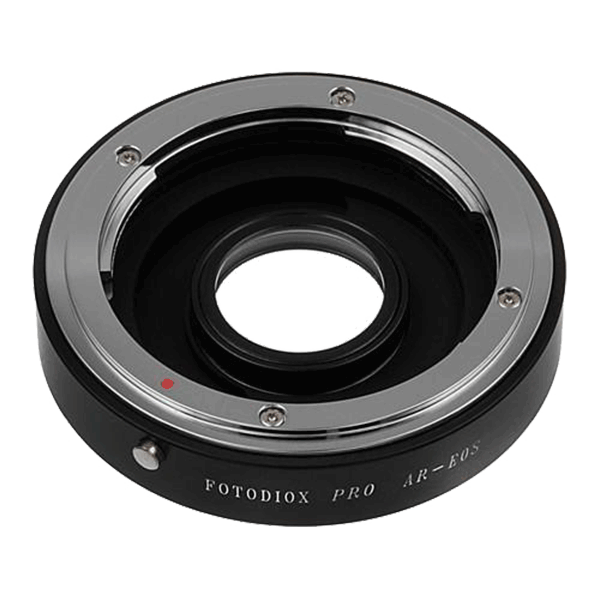
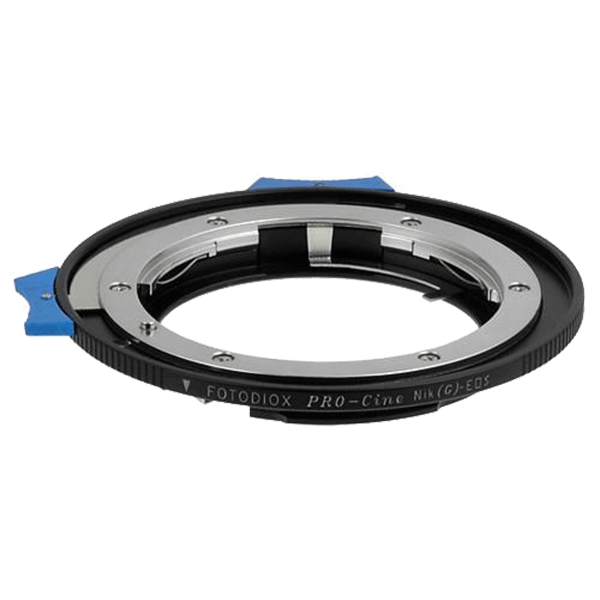
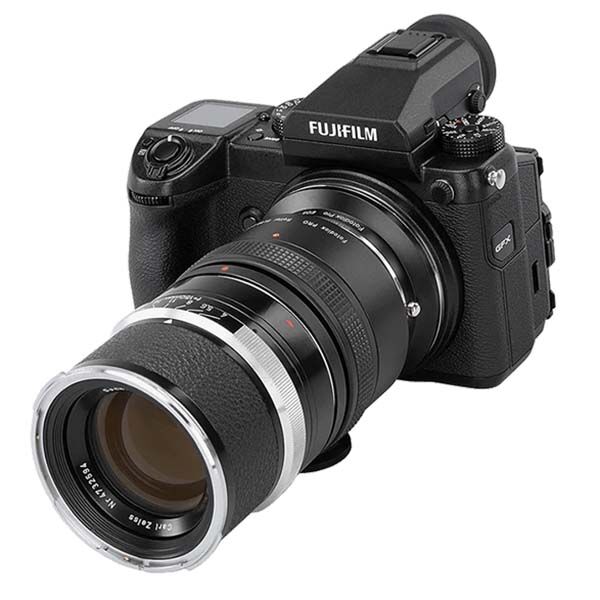
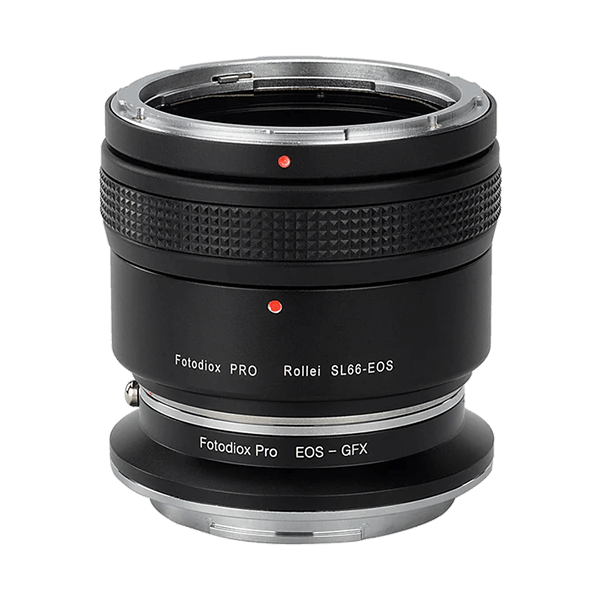
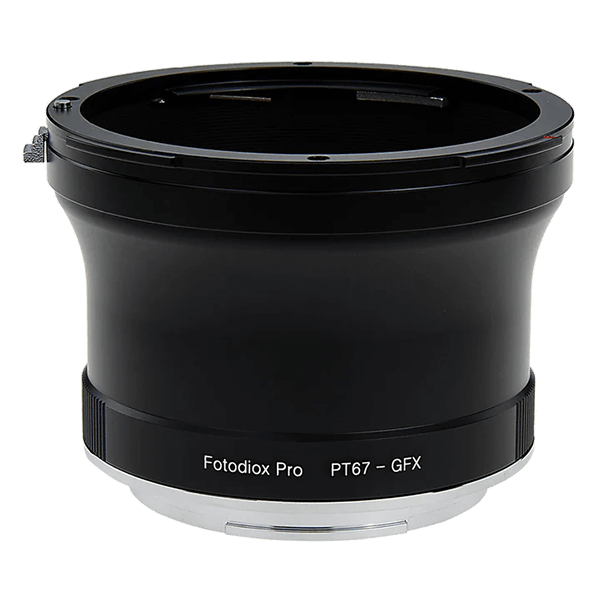
A lens adapter is a connector between the lens and the camera. It compensates for the differences between various mounts—that is, the mechanical connections between the lens and the camera body.
There are two basic types of lens adapters:
Mechanical adapters
No electronics
Focus and aperture are adjusted manually
Very robust and affordable
Electronic adapters
Transfers autofocus, aperture control, and EXIF data
More expensive and technically complex
Ideal for modern lenses
Autofocus sometimes not as fast as on the original camera
Why are lens adapters useful?
The biggest advantage of lens adapters is flexibility. Instead of selling or buying new lenses, you can continue using your existing ones. This saves money and often preserves unique image characteristics that modern lenses don’t always offer.
Other reasons to use them:
Sustainability through the reuse of existing equipment
Access to special focal lengths or vintage looks
Wide selection of lenses across different camera systems
Creative control through manual operation
Where are lens adapters used?
Lens adapters are used in nearly all areas of photography:
Portrait photography – for soft bokeh and images with strong character
Macro photography – older macro lenses can be adapted perfectly
Landscape photography – manual focusing is often not a disadvantage here
Videography – smooth focus transitions are ideal for filming
They are used both in the studio and outdoors—anywhere where work is done with precision.
How does a lens adapter work?
A lens adapter establishes the correct distance between the lens and the camera sensor. This distance is crucial for the lens to focus correctly—especially at infinity.
Installation is easy:
- Attach the adapter to the lens
Attach the lens and adapter to the camera
Set the camera to manual mode (if necessary)
With purely mechanical adapters, focus and aperture are controlled directly on the lens. The camera usually measures the light correctly anyway—modern cameras handle this very well.
What should you look out for?
Not all adapters are created equal. Pay special attention to:
Fit – no play between the lens and the camera
Material quality – metal adapters are more durable
Compatibility – not every lens supports every feature
Light tightness – Poor-quality adapters can cause stray light
A high-quality adapter makes photography a joy – a cheap one can quickly lead to frustration.
Conclusion
Lens adapters are a simple yet powerful tool. They open up new creative possibilities, save money, and make it possible to continue using old, treasured lenses. They are a real asset, especially for photographers who love to experiment.
Those willing to embrace manual operation or specifically choose an electronic adapter will be rewarded with unique images.