
Screw-in filters for your lens
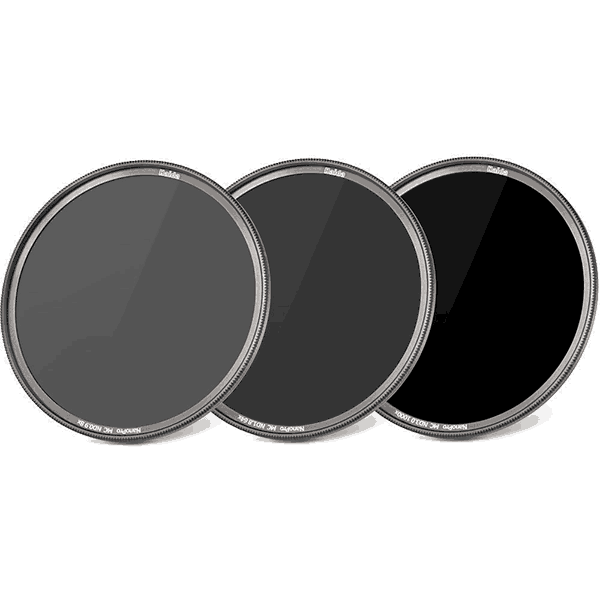
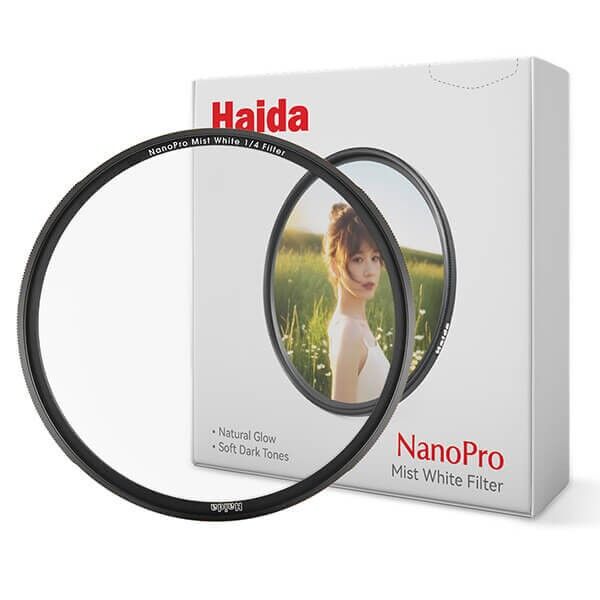
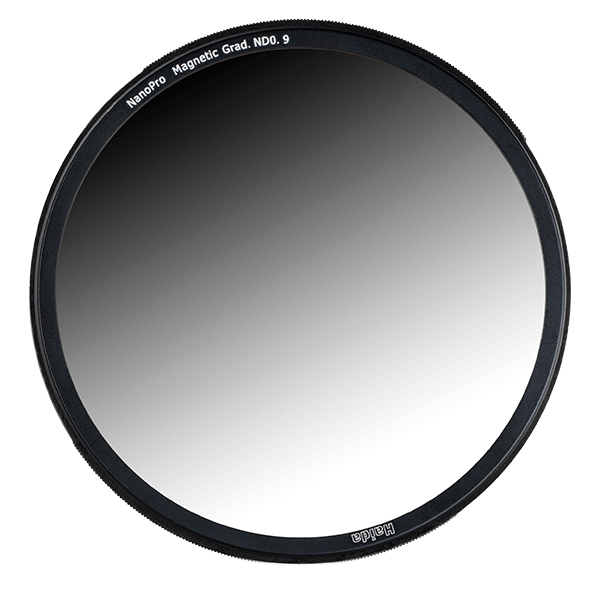
Screw-in filters are the direct route: screw on, shoot, done. No holder, no system, no accessories. Here you'll find ND filters, polarisers, UV and protection filters, Black Mist and infrared filters from Haida in all common diameters, plus magnetic versions for quick changes.
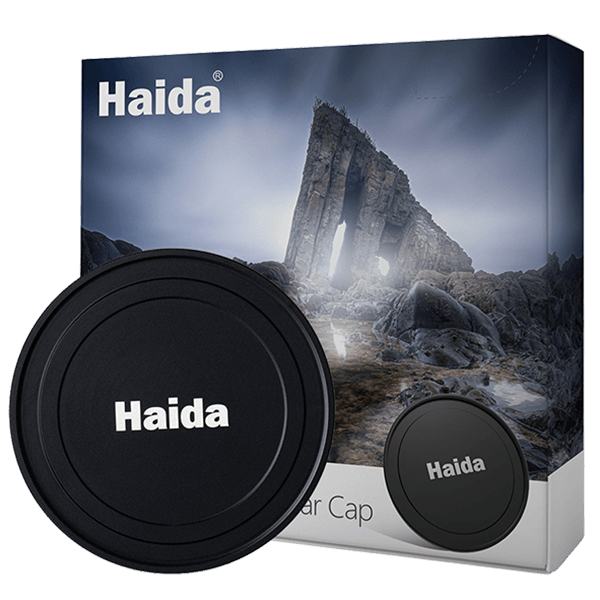
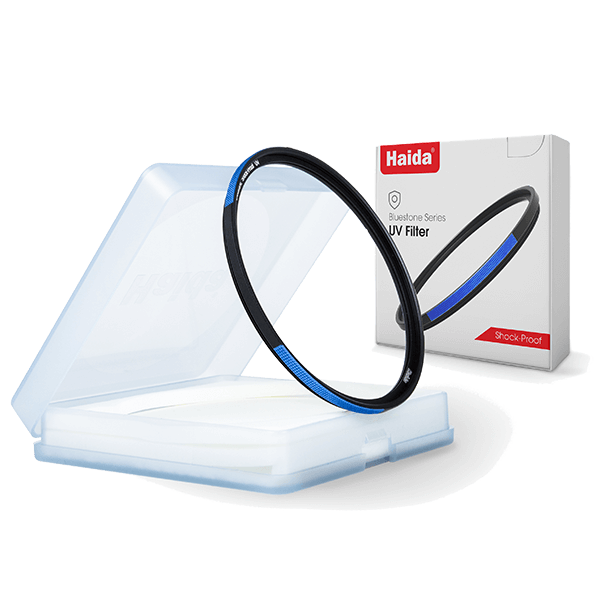
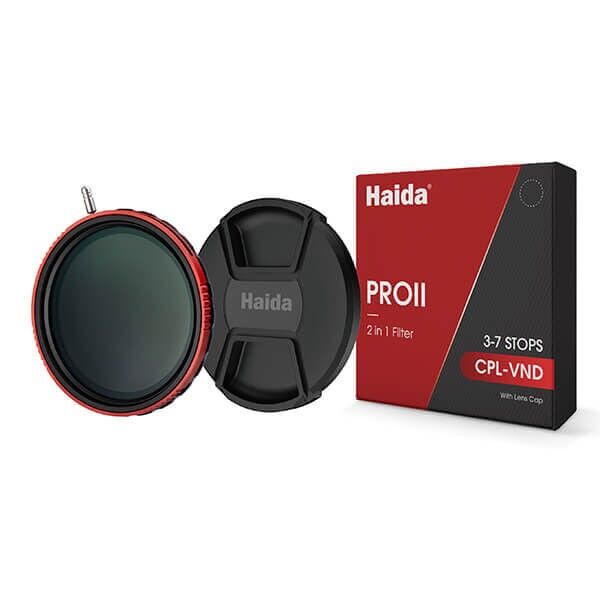
Which screw-in filter do you need?
Two or three filters cover almost everything that comes up in practice. The following overview helps you find your way, the details are in the respective subcategories.
The selection
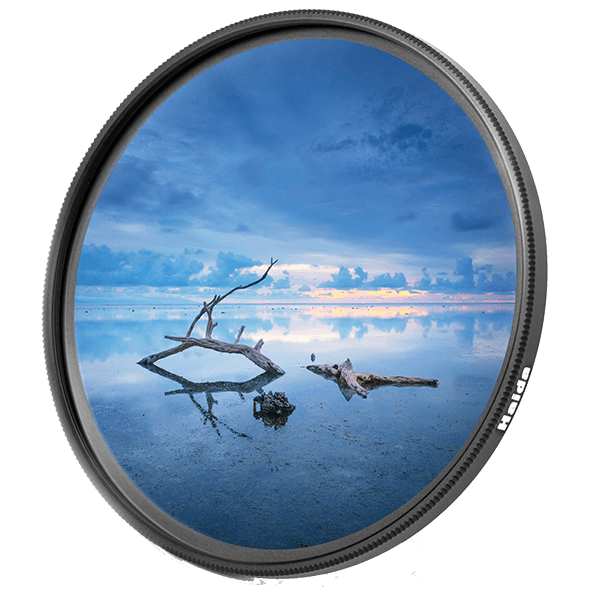
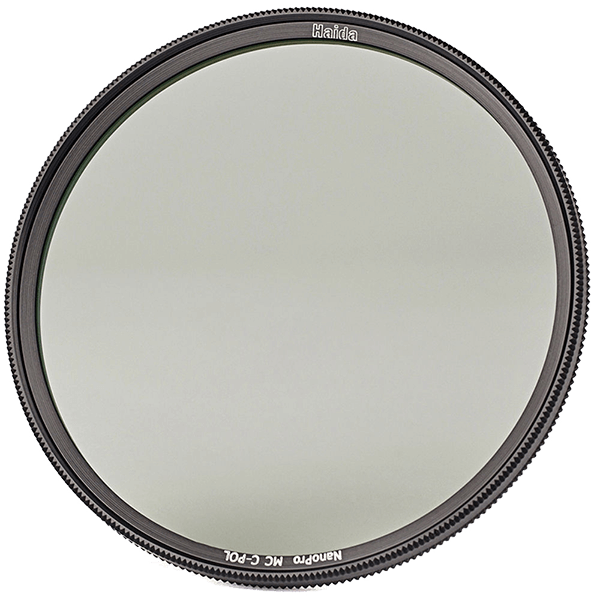
Polarising filters remove reflections on water, glass and foliage and make colours richer. The one filter whose effect can't be simulated afterwards. For landscape, the first filter you should buy.
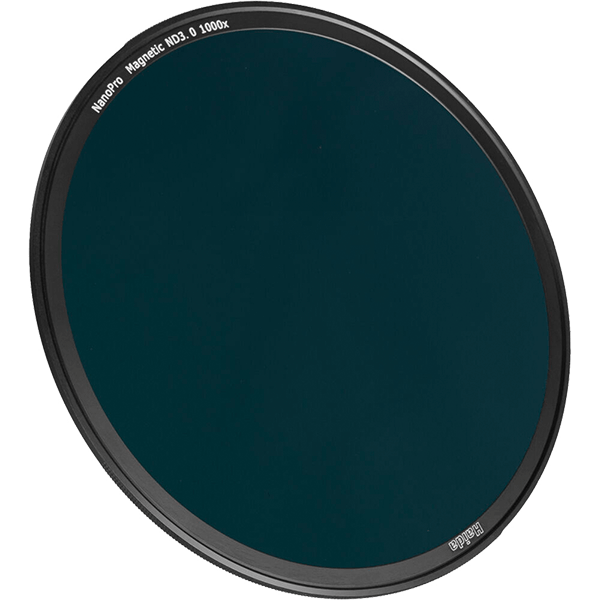
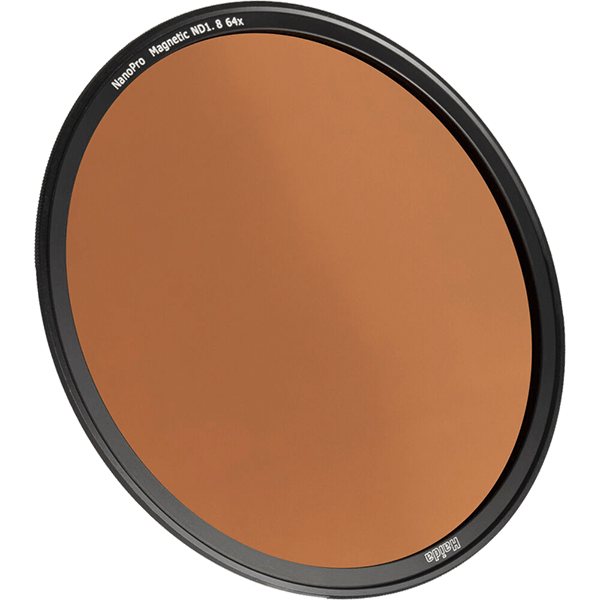
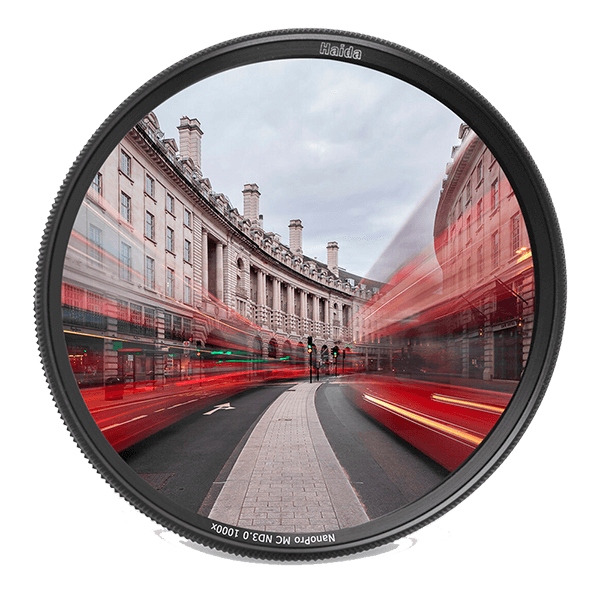
ND filters absorb light and allow long exposures in daylight. For smooth water and moving clouds.
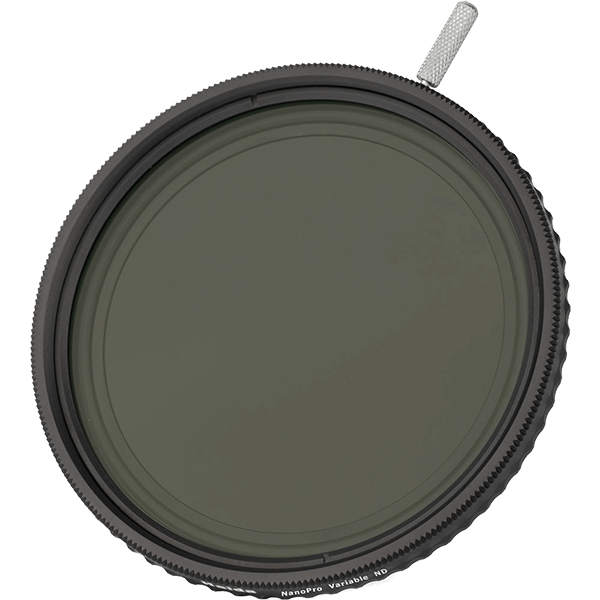
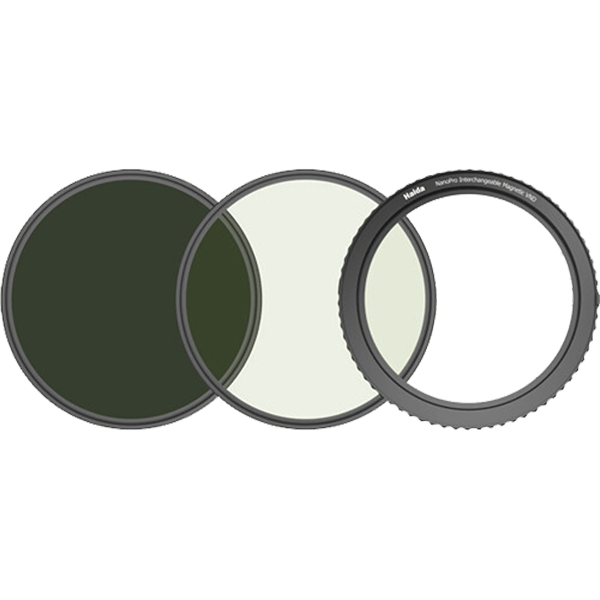
Variable ND filters cover a whole range of strengths in one filter. Practically indispensable for filming.
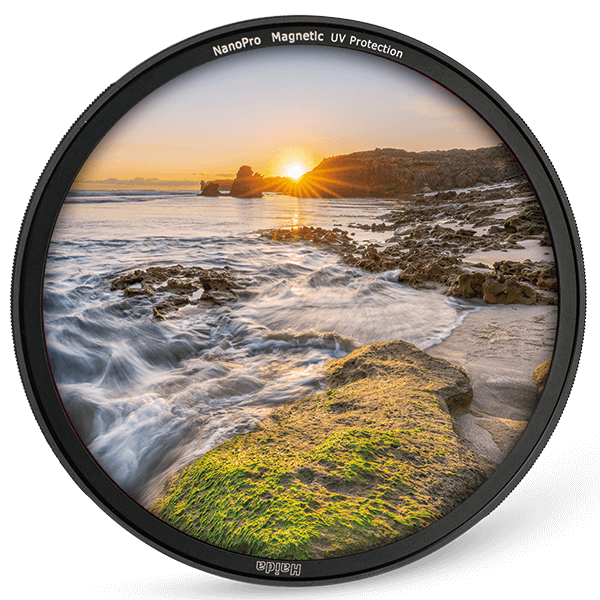
UV and protection filters protect the front element from dust, sand and spray.
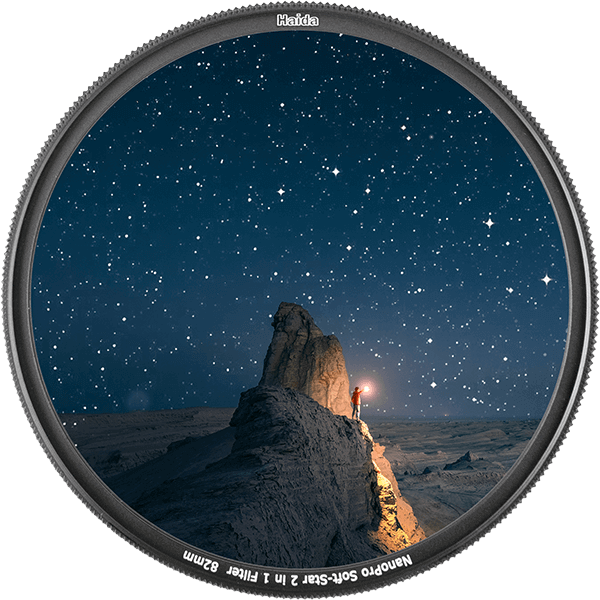
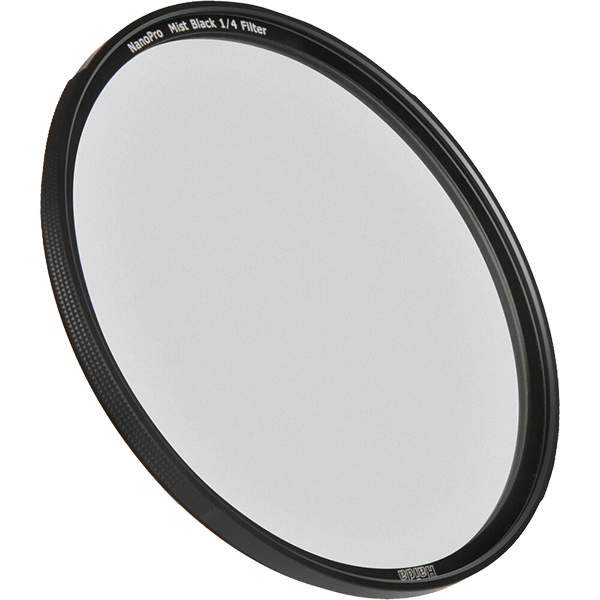
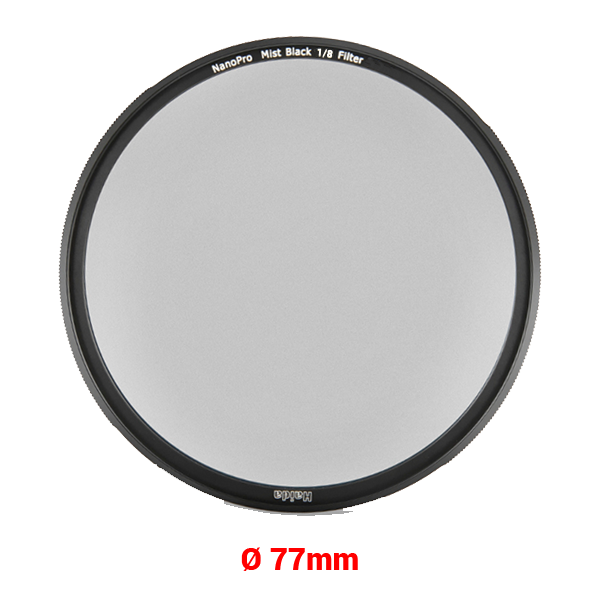
Black Mist filters take the edge off highlights and give the image a cinematic character.
Infrared filters for infrared photography with white foliage and black skies.
The right size
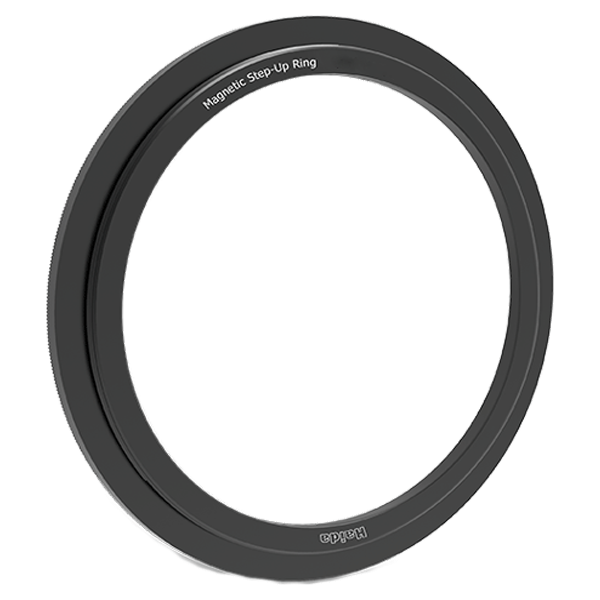
The diameter is on the front of your lens after the ø symbol, common sizes are 49, 52, 58, 62, 67, 72, 77 and 82 mm. But you don't need your filters several times: buy in the largest diameter you need and adapt it to all smaller lenses with step-up rings. It doesn't work the other way round, a filter that's too small darkens the corners.
Magnetic instead of screw-on
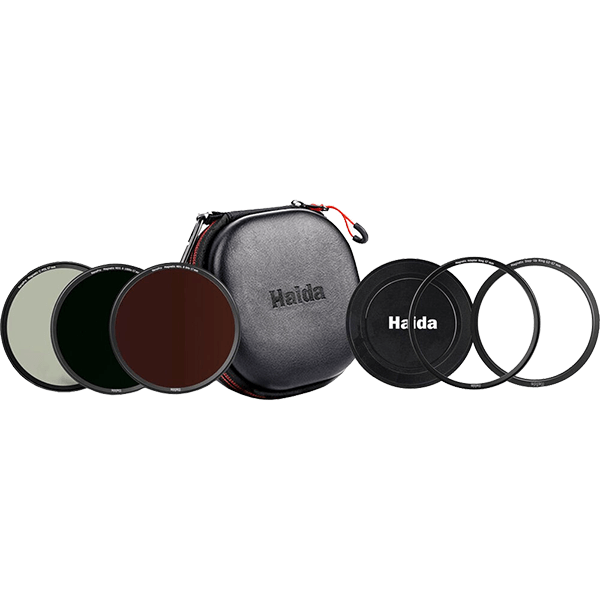
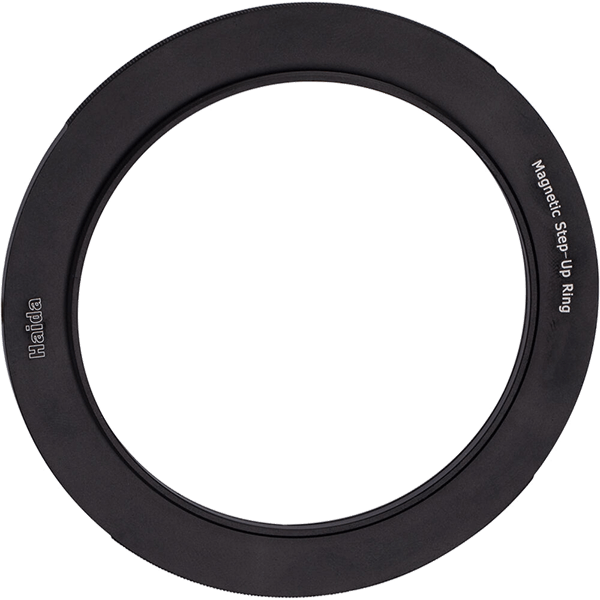
An adapter ring stays permanently in the thread, the filter attaches magnetically and is changed in a second. That's worthwhile if you change strength several times in changing light, and it prevents jammed filters that won't come off. You'll find them under magnetic filters.
When screw-in filters reach their limits
As soon as you want to combine several filters, the stack in front of the lens gets too tall and vignettes. And a graduated filter can't be shifted to the horizon line when it's screwed on. For both you need a square filter system with a holder.
The Right Size
The diameter is marked on the front of your lens after the symbol ø; common sizes are 49, 52, 58, 62, 67, 72, 77, and 82 mm. However, you don’t need to buy multiple filters: Purchase the largest diameter you need and adapt it to all smaller lenses using step-up rings. It doesn’t work the other way around—a filter that’s too small will darken the corners of the image.
Magnetic Instead of Screw-On
An adapter ring stays permanently in the thread; the filter is held in place magnetically and can be changed in a second. This is worth it if you change the filter density multiple times in varying light conditions, and it prevents filters from getting stuck at an angle and becoming impossible to remove. Available at magnetic filters.
When screw-in filters reach their limits
As soon as you want to combine multiple filters, the stack in front of the lens becomes too high and causes vignetting. And a graduated neutral density filter cannot be shifted to align with the horizon line once it’s screwed on. For both of these situations, you’ll need a slot-in filter system with a holder.